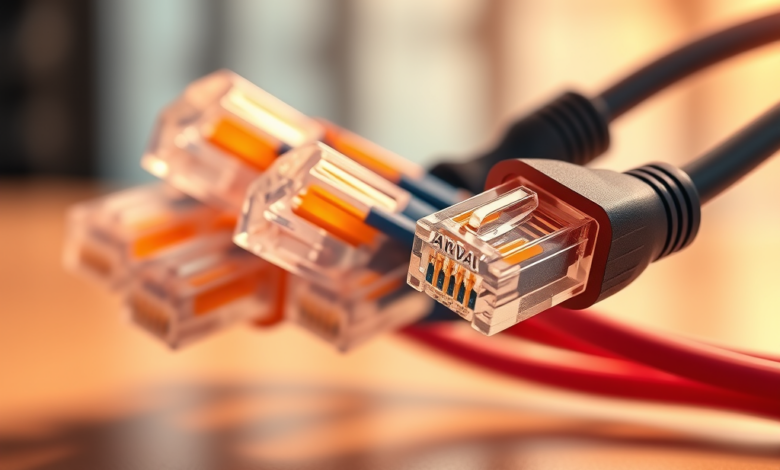
Businesses today rely heavily on stable network infrastructure. Offices, schools, warehouses, security systems, and smart buildings all depend on reliable connectivity to keep operations running smoothly. Because of this growing demand, many contractors and business owners now purchase Ethernet cables online in bulk instead of sourcing smaller quantities locally.
A low priced cable may seem attractive initially, but poor quality infrastructure often leads to slower performance, installation problems, and expensive replacements later.
Understanding a few important factors before buying bulk Ethernet cables can save both money and long term frustration.
Cable Material Makes a Big Difference
One of the most overlooked factors in Ethernet cabling is conductor material. Many online listings advertise cables at extremely low prices, but some use copper clad aluminum instead of pure copper conductors.
This difference matters greatly for network performance and durability. Pure copper cables provide stronger conductivity, improved signal quality, and better heat resistance. Experienced installers often prefer Cat6 plenum pure copper solutions because they deliver more stable long term performance in commercial environments.
Copper clad aluminum cables may initially reduce costs, but they often create reliability issues under heavier workloads.
Businesses planning long term infrastructure should view cabling as an investment rather than a short term expense.
Understand the Environment Before Buying
Different buildings require different cable types. This is where many online buyers make costly mistakes. They purchase cables based only on speed ratings without considering installation conditions.
Plenum spaces, for example, exist in many commercial ceilings and air handling areas. These spaces require specialized cable jackets that produce lower smoke levels during fire incidents.
This is why many offices and commercial facilities choose Cat6 plenum cable products for safety compliance and building code requirements.
Other environments may require riser rated or outdoor rated cables depending on how the infrastructure will be installed. Understanding the installation environment before ordering bulk quantities helps avoid expensive replacement costs later.
Bandwidth Needs Continue Growing
Many businesses still purchase cables based only on current internet speed requirements. This approach often creates limitations within only a few years as bandwidth demands increase.
Modern workplaces rely heavily on cloud software, video conferencing, surveillance systems, and large data transfers. Smart devices and wireless access points also continue increasing network traffic.
Businesses planning future expansion should consider whether their infrastructure can support future technologies rather than focusing only on present needs.
Several factors influence long term scalability:
- Device growth inside the network
- Expansion of cloud based applications
- Power over Ethernet requirements
- Higher resolution surveillance systems
- Increasing wireless access point density
Choosing infrastructure with future growth in mind often prevents major rewiring projects later.
Cheap Connectors Can Ruin Good Cabling
Many buyers focus entirely on cable quality while ignoring connectors and termination consistency. Even high grade Ethernet cables can perform poorly if connectors are weak or improperly manufactured.
Poorly built connectors may create unstable links, packet loss, or reduced transfer speeds. This becomes especially frustrating in large installations where diagnosing faults can consume significant labor time.
Many network installers now consider properly certified Ethernet cables one of the safest choices for avoiding future troubleshooting headaches.
Shielding Matters More Than Many Realize
Modern environments contain far more electronic interference than older buildings. Offices now operate with large numbers of computers, wireless devices, lighting systems, and industrial equipment running simultaneously.
In these environments, shielding can improve signal stability significantly. Shielded cables include protective layers that reduce electromagnetic interference and preserve data integrity.
This becomes especially valuable in:
- Server rooms
- Manufacturing facilities
- Smart buildings
- Data heavy office environments
- Large surveillance systems
Not every installation requires shielding, but understanding environmental interference levels before buying can improve overall network reliability.
Many professionals now consider shielded structured cabling among the best network cables options for businesses handling critical operations or high device density.
Reputation Matters When Buying Online
Online marketplaces offer countless Ethernet cable listings, but not all suppliers maintain consistent quality standards. Some listings exaggerate specifications or provide incomplete technical details that confuse buyers.
Before purchasing bulk quantities, it helps to evaluate supplier credibility carefully. Reliable vendors usually provide transparent product specifications, certification information, and clearer customer support channels.
Reviews from professional installers can also reveal valuable information about real world performance, packaging quality, and consistency across larger orders.
Experienced buyers understand that networking infrastructure directly affects daily business operations. A slightly higher upfront investment in quality cabling often prevents larger operational costs in the future.
Final Thoughts
Network infrastructure often remains hidden behind ceilings and walls, yet it supports nearly every modern business activity. Stable cabling improves communication, cloud access, security systems, and long term scalability.
Buying bulk Ethernet cables online can be a smart decision when buyers understand what truly affects cable performance. Material quality, safety ratings, shielding, scalability, and supplier reputation all play important roles in building dependable infrastructure.
Businesses that focus only on short term savings frequently encounter limitations later. Those that prioritize quality and future readiness usually build networks that continue performing reliably for many years.
READ ALSO: Common Challenges in Cable Harness Assembly and How to Solve Them