Property maintenance is most effective when small warning signs are recorded before they become expensive incidents. Drainage systems are often overlooked because most pipework is hidden. A structured approach to inspections, tenant reports and waste disposal can help owners decide when routine attention is enough and when specialist investigation is warranted.
When researching drainage unblocking, property owners should ask how a contractor identifies the location and cause of a restriction. A useful service combines practical response with evidence about what has been found.
A Realistic Property Scenario
A managing agent notices three separate reports of slow drainage in the same building over six months. Rather than treating each report as unrelated, the agent compares the affected locations and asks a contractor to investigate whether a shared section is responsible.
Spotting the First Warning Signs
Protecting occupants comes before restoring convenience. Wastewater can contain harmful microorganisms, so avoid direct contact and keep children or visitors away from contaminated areas. Stop using fixtures that trigger overflow and seek qualified assistance where sewage enters living or working spaces. Do not handle electrical equipment near standing water without appropriate safety precautions. Professional investigation can involve checking inspection chambers, testing flow and examining the affected line. A CCTV survey may be justified when blockages recur or a structural defect is suspected. Camera images need careful interpretation, because not every irregularity requires immediate excavation. A useful report identifies observed conditions and distinguishes confirmed defects from possibilities.
Immediate Safety Precautions
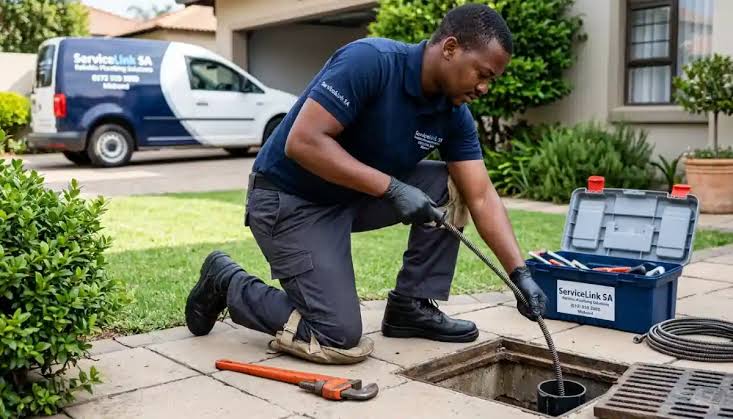
Grease, food scraps, wipes and accumulated debris are common contributors to restrictions. Outdoor lines may also suffer from root intrusion, displaced joints or silt. The presence of one blockage does not prove that the entire pipe is damaged. Diagnosis should distinguish material that can be cleared from structural defects that may require separate repair. High-pressure water jetting can remove some grease and silt deposits when performed by trained operators. Pressure, nozzle choice and access must be appropriate to the pipe condition. Mechanical tools can be suitable for other obstructions. Neither method automatically fixes a cracked or collapsed section, so restoring flow should not be confused with completing a structural repair.
Identifying Affected Fixtures
Pipe materials, diameter, bends and existing condition influence the safest clearing technique. A forceful method that works in one modern installation may be inappropriate for fragile older sections. Contractors should check accessible inspection points and explain why a particular method is recommended. Avoid improvised tools or repeated harsh chemicals that could create additional hazards. Where multiple tenants or businesses share facilities, clear communication can prevent repeated water use during a backup. A manager should identify who can provide access, who must be informed and whether a shared drainage section is involved. Documentation helps avoid conflicting instructions. Responsibilities should be checked rather than assumed from the location where symptoms appear.
Understanding Pipe Layouts
Professional investigation can involve checking inspection chambers, testing flow and examining the affected line. A CCTV survey may be justified when blockages recur or a structural defect is suspected. Camera images need careful interpretation, because not every irregularity requires immediate excavation. A useful report identifies observed conditions and distinguishes confirmed defects from possibilities. A clear quotation should describe attendance, the investigation and the work included. Additional surveys, specialist access or repairs may carry separate costs. If new problems are discovered, the customer should receive an explanation before authorising major extra work. Transparency supports informed decisions when disruption creates pressure for a rapid solution.
Common Materials Behind Blockages
High-pressure water jetting can remove some grease and silt deposits when performed by trained operators. Pressure, nozzle choice and access must be appropriate to the pipe condition. Mechanical tools can be suitable for other obstructions. Neither method automatically fixes a cracked or collapsed section, so restoring flow should not be confused with completing a structural repair. After clearance, the contractor should check whether the affected section drains normally and explain any unresolved concerns. Keep records of symptoms, findings and recommended follow-up. Repeated faults deserve closer investigation instead of an endless series of temporary fixes. Useful maintenance records make later diagnosis more efficient.
Why Older Pipes Need Care
Where multiple tenants or businesses share facilities, clear communication can prevent repeated water use during a backup. A manager should identify who can provide access, who must be informed and whether a shared drainage section is involved. Documentation helps avoid conflicting instructions. Responsibilities should be checked rather than assumed from the location where symptoms appear. Prevention starts with ordinary waste-disposal habits. Cooking oil should not be poured down sinks, and wipes or sanitary products should not be flushed. Accessible outdoor gullies can be checked for leaves and debris without entering confined spaces. These habits reduce avoidable restrictions, but they cannot repair defective pipework or unsuitable drainage gradients.
Access Points and Inspection Chambers
A clear quotation should describe attendance, the investigation and the work included. Additional surveys, specialist access or repairs may carry separate costs. If new problems are discovered, the customer should receive an explanation before authorising major extra work. Transparency supports informed decisions when disruption creates pressure for a rapid solution. Drainage symptoms should be considered together rather than in isolation. A single slow sink may indicate a local trap restriction, while several fixtures backing up together can suggest a problem farther along the drainage run. Record the timing, affected rooms and any unusual odours. These observations help the technician identify likely causes without treating every situation as the same fault.
How Technicians Diagnose the Fault
After clearance, the contractor should check whether the affected section drains normally and explain any unresolved concerns. Keep records of symptoms, findings and recommended follow-up. Repeated faults deserve closer investigation instead of an endless series of temporary fixes. Useful maintenance records make later diagnosis more efficient. Protecting occupants comes before restoring convenience. Wastewater can contain harmful microorganisms, so avoid direct contact and keep children or visitors away from contaminated areas. Stop using fixtures that trigger overflow and seek qualified assistance where sewage enters living or working spaces. Do not handle electrical equipment near standing water without appropriate safety precautions.
Mechanical Clearance Methods
Prevention starts with ordinary waste-disposal habits. Cooking oil should not be poured down sinks, and wipes or sanitary products should not be flushed. Accessible outdoor gullies can be checked for leaves and debris without entering confined spaces. These habits reduce avoidable restrictions, but they cannot repair defective pipework or unsuitable drainage gradients. Grease, food scraps, wipes and accumulated debris are common contributors to restrictions. Outdoor lines may also suffer from root intrusion, displaced joints or silt. The presence of one blockage does not prove that the entire pipe is damaged. Diagnosis should distinguish material that can be cleared from structural defects that may require separate repair.
Water Jetting and Its Limits
Drainage symptoms should be considered together rather than in isolation. A single slow sink may indicate a local trap restriction, while several fixtures backing up together can suggest a problem farther along the drainage run. Record the timing, affected rooms and any unusual odours. These observations help the technician identify likely causes without treating every situation as the same fault. Pipe materials, diameter, bends and existing condition influence the safest clearing technique. A forceful method that works in one modern installation may be inappropriate for fragile older sections. Contractors should check accessible inspection points and explain why a particular method is recommended. Avoid improvised tools or repeated harsh chemicals that could create additional hazards.
When CCTV Evidence Is Helpful
Protecting occupants comes before restoring convenience. Wastewater can contain harmful microorganisms, so avoid direct contact and keep children or visitors away from contaminated areas. Stop using fixtures that trigger overflow and seek qualified assistance where sewage enters living or working spaces. Do not handle electrical equipment near standing water without appropriate safety precautions. Professional investigation can involve checking inspection chambers, testing flow and examining the affected line. A CCTV survey may be justified when blockages recur or a structural defect is suspected. Camera images need careful interpretation, because not every irregularity requires immediate excavation. A useful report identifies observed conditions and distinguishes confirmed defects from possibilities.
Distinguishing a Blockage From Damage
Grease, food scraps, wipes and accumulated debris are common contributors to restrictions. Outdoor lines may also suffer from root intrusion, displaced joints or silt. The presence of one blockage does not prove that the entire pipe is damaged. Diagnosis should distinguish material that can be cleared from structural defects that may require separate repair. High-pressure water jetting can remove some grease and silt deposits when performed by trained operators. Pressure, nozzle choice and access must be appropriate to the pipe condition. Mechanical tools can be suitable for other obstructions. Neither method automatically fixes a cracked or collapsed section, so restoring flow should not be confused with completing a structural repair.
Coordinating Occupants and Contractors
Pipe materials, diameter, bends and existing condition influence the safest clearing technique. A forceful method that works in one modern installation may be inappropriate for fragile older sections. Contractors should check accessible inspection points and explain why a particular method is recommended. Avoid improvised tools or repeated harsh chemicals that could create additional hazards. Where multiple tenants or businesses share facilities, clear communication can prevent repeated water use during a backup. A manager should identify who can provide access, who must be informed and whether a shared drainage section is involved. Documentation helps avoid conflicting instructions. Responsibilities should be checked rather than assumed from the location where symptoms appear.
Understanding Costs and Scope
Professional investigation can involve checking inspection chambers, testing flow and examining the affected line. A CCTV survey may be justified when blockages recur or a structural defect is suspected. Camera images need careful interpretation, because not every irregularity requires immediate excavation. A useful report identifies observed conditions and distinguishes confirmed defects from possibilities. A clear quotation should describe attendance, the investigation and the work included. Additional surveys, specialist access or repairs may carry separate costs. If new problems are discovered, the customer should receive an explanation before authorising major extra work. Transparency supports informed decisions when disruption creates pressure for a rapid solution.
Recording the Work Completed
High-pressure water jetting can remove some grease and silt deposits when performed by trained operators. Pressure, nozzle choice and access must be appropriate to the pipe condition. Mechanical tools can be suitable for other obstructions. Neither method automatically fixes a cracked or collapsed section, so restoring flow should not be confused with completing a structural repair. After clearance, the contractor should check whether the affected section drains normally and explain any unresolved concerns. Keep records of symptoms, findings and recommended follow-up. Repeated faults deserve closer investigation instead of an endless series of temporary fixes. Useful maintenance records make later diagnosis more efficient.
Checking Drainage After Clearance
Where multiple tenants or businesses share facilities, clear communication can prevent repeated water use during a backup. A manager should identify who can provide access, who must be informed and whether a shared drainage section is involved. Documentation helps avoid conflicting instructions. Responsibilities should be checked rather than assumed from the location where symptoms appear. Prevention starts with ordinary waste-disposal habits. Cooking oil should not be poured down sinks, and wipes or sanitary products should not be flushed. Accessible outdoor gullies can be checked for leaves and debris without entering confined spaces. These habits reduce avoidable restrictions, but they cannot repair defective pipework or unsuitable drainage gradients.
Preventing Kitchen Grease Build-Up
A clear quotation should describe attendance, the investigation and the work included. Additional surveys, specialist access or repairs may carry separate costs. If new problems are discovered, the customer should receive an explanation before authorising major extra work. Transparency supports informed decisions when disruption creates pressure for a rapid solution. Drainage symptoms should be considered together rather than in isolation. A single slow sink may indicate a local trap restriction, while several fixtures backing up together can suggest a problem farther along the drainage run. Record the timing, affected rooms and any unusual odours. These observations help the technician identify likely causes without treating every situation as the same fault.
Bathroom Waste and Flushing Habits
After clearance, the contractor should check whether the affected section drains normally and explain any unresolved concerns. Keep records of symptoms, findings and recommended follow-up. Repeated faults deserve closer investigation instead of an endless series of temporary fixes. Useful maintenance records make later diagnosis more efficient. Protecting occupants comes before restoring convenience. Wastewater can contain harmful microorganisms, so avoid direct contact and keep children or visitors away from contaminated areas. Stop using fixtures that trigger overflow and seek qualified assistance where sewage enters living or working spaces. Do not handle electrical equipment near standing water without appropriate safety precautions.
Outdoor Gullies and Surface Water
Prevention starts with ordinary waste-disposal habits. Cooking oil should not be poured down sinks, and wipes or sanitary products should not be flushed. Accessible outdoor gullies can be checked for leaves and debris without entering confined spaces. These habits reduce avoidable restrictions, but they cannot repair defective pipework or unsuitable drainage gradients. Grease, food scraps, wipes and accumulated debris are common contributors to restrictions. Outdoor lines may also suffer from root intrusion, displaced joints or silt. The presence of one blockage does not prove that the entire pipe is damaged. Diagnosis should distinguish material that can be cleared from structural defects that may require separate repair.
Responding to Repeated Incidents
Drainage symptoms should be considered together rather than in isolation. A single slow sink may indicate a local trap restriction, while several fixtures backing up together can suggest a problem farther along the drainage run. Record the timing, affected rooms and any unusual odours. These observations help the technician identify likely causes without treating every situation as the same fault. Pipe materials, diameter, bends and existing condition influence the safest clearing technique. A forceful method that works in one modern installation may be inappropriate for fragile older sections. Contractors should check accessible inspection points and explain why a particular method is recommended. Avoid improvised tools or repeated harsh chemicals that could create additional hazards.
Planning Future Maintenance
Protecting occupants comes before restoring convenience. Wastewater can contain harmful microorganisms, so avoid direct contact and keep children or visitors away from contaminated areas. Stop using fixtures that trigger overflow and seek qualified assistance where sewage enters living or working spaces. Do not handle electrical equipment near standing water without appropriate safety precautions. Professional investigation can involve checking inspection chambers, testing flow and examining the affected line. A CCTV survey may be justified when blockages recur or a structural defect is suspected. Camera images need careful interpretation, because not every irregularity requires immediate excavation. A useful report identifies observed conditions and distinguishes confirmed defects from possibilities.
Choosing Professional Help
When considering Quick Clear Drainage London, ask about assessment, clearing methods, the likely disruption and any further repair that might be necessary. A clear explanation is more useful than a guarantee offered before inspection.
Final Perspective
Reliable drainage depends on appropriate investigation, safe clearance and realistic prevention. When a problem returns, the next step should be informed by evidence from the system rather than repeated assumptions.