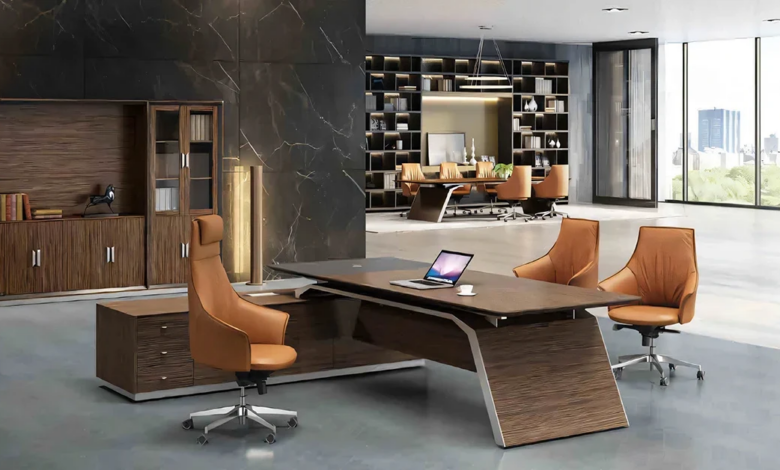
A successful office renovation depends on much more than selecting attractive desks and chairs. Every stage of an installation project affects how employees work, collaborate, and perform their daily responsibilities. Businesses planning an office furniture installation in Salt Lake City, UT, often focus on furniture selection while overlooking the planning and coordination required for a smooth installation. Preparation, experienced project management, and professional installation services that keep projects organized from delivery through final placement can help businesses avoid many common mistakes.
Planning Too Late Creates Unnecessary Delays
One of the most frequent mistakes businesses make is waiting until furniture arrives before developing an installation plan. Commercial office furniture projects involve multiple vendors, including furniture manufacturers, delivery companies, electricians, technology providers, and installation crews. Without a coordinated schedule, these groups may compete for access to the same work areas or arrive before the building is ready.
Planning should begin weeks before installation day. Accurate floor plans, delivery schedules, and department assignments allow installers to position furniture correctly the first time. Early planning also provides time to identify building restrictions, loading dock requirements, and elevator reservations that could otherwise delay progress.
Ordering Furniture Without Confirming Measurements
Office furniture may appear to fit perfectly on paper, only to create unexpected problems once it arrives. Doorways, hallways, elevators, ceiling heights, and structural columns all affect how furniture is delivered and assembled.
Professional installers often perform site evaluations before installation begins. These visits verify measurements, identify potential obstacles, and determine whether furniture requires partial assembly before entering the building. Confirming dimensions in advance helps prevent costly adjustments and unnecessary delivery delays.
Ignoring Electrical and Technology Requirements
Modern offices depend on technology just as much as furniture. Workstations frequently include power distribution, monitor arms, charging stations, cable management systems, and network connections. Installing furniture before verifying electrical and technology requirements often results in relocating workstations after installation.
Successful office furniture installation projects include coordination between facility managers, IT personnel, electricians, and installers. This collaboration allows furniture placement to support both employee productivity and technology infrastructure from the beginning.
Attempting Large Installations Without Professional Help
Some businesses consider assigning furniture assembly to maintenance staff or internal employees to reduce project costs. While this approach may appear practical initially, commercial office furniture systems often require specialized tools, manufacturer specifications, and experienced installation techniques.
Improper assembly can affect workstation stability, panel alignment, storage functionality, and cable routing. Mistakes made during installation may also impact manufacturer warranties or require expensive corrections later. Professional installers understand commercial furniture systems and complete installations efficiently while maintaining quality standards.
Failing to Label Furniture and Floor Plans
Large commercial projects frequently involve dozens or even hundreds of workstations. Without detailed labeling, installers may deliver furniture components to incorrect departments or assemble them in the wrong locations.
Organized labeling systems allow installers to match furniture with individual employees, departments, and floor plan locations. This level of organization reduces confusion throughout the installation process while minimizing unnecessary movement of completed workstations.
Office managers who invest time in detailed labeling often experience faster project completion and smoother employee move-ins.
Overlooking Employee Workflow
Installing furniture according to available space rather than employee workflow can reduce productivity. Departments that communicate regularly should remain conveniently located, while areas requiring privacy should be positioned away from high-traffic corridors.
An effective office layout balances collaboration, concentration, accessibility, and comfort. Before installation begins, businesses should evaluate how employees move through the office and how shared resources, such as conference rooms, printers, and break areas, support daily operations.
Furniture placement should reflect how the organization actually functions rather than simply filling available floor space.
Forgetting the Final Inspection
Many installation projects are considered complete once furniture has been assembled. However, a detailed final inspection remains one of the most valuable stages of the project.
Workstations should be checked for stability, alignment, drawer operation, hardware security, and overall appearance. Chairs should be adjusted properly, conference tables inspected for finish quality, and storage units verified to operate correctly. Completing this review before employees occupy the workspace allows any remaining adjustments to be addressed promptly.
A professional installation team typically conducts this final walkthrough to confirm that every workstation meets project specifications before the job is officially completed.
Careful Installation Supports Long-Term Performance
Businesses investing in office furniture installation in Salt Lake City, UT, benefit from treating installation as an organized project rather than a simple delivery. Careful planning, accurate measurements, coordinated scheduling, and experienced installers help reduce delays while protecting valuable office furniture. When each stage is handled professionally, organizations create work environments that support productivity, employee satisfaction, and efficient daily operations for years to come.
Frequently Asked Questions
What is the most common mistake in office furniture installation?
Poor planning is one of the most common mistakes because it often leads to scheduling conflicts, delivery delays, and incorrect furniture placement.
Why should businesses hire professional installers for office furniture?
Professional installers understand commercial furniture systems, manufacturer specifications, and efficient installation procedures that help reduce costly mistakes.
Should technology be installed before office furniture?
Technology planning should occur alongside furniture planning so electrical connections, network access, and workstation layouts function together properly.
How can businesses reduce downtime during office furniture installation?
Developing a detailed installation schedule, coordinating vendors, labeling workstations, and using experienced installation professionals all help minimize workplace disruptions.
If your business is planning a commercial office project, experienced installation services can help eliminate costly delays while creating an organized, productive workspace. Learn how Quality Installers provides reliable office furniture installation solutions that support businesses from project planning through final installation.