Skid Steer Bucket Capacity Guide: What Does ‘1 Yard’ Actually Mean on the Job Site?

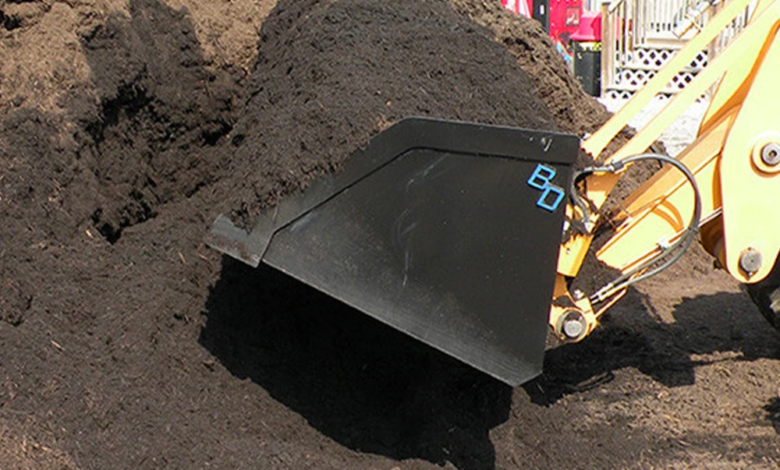
When operators and project managers specify equipment for earthmoving, grading, or site cleanup tasks, bucket capacity is one of the first numbers that comes up. And yet, despite how frequently the term gets used in equipment specs, purchase orders, and rental agreements, there is consistent confusion about what a stated capacity actually means in practice. A bucket rated at one cubic yard does not always behave like one cubic yard. The gap between specification and reality creates problems that range from minor inefficiencies to significant project delays.
Understanding what capacity ratings represent — and what they do not — is not a matter of technical expertise. It is a matter of operational accuracy. For anyone making decisions about equipment selection, cycle times, or material volume estimates, this distinction has real consequences for how a job runs from start to finish.
What a Cubic Yard Rating Actually Measures
A 1 yard skid steer bucket is defined by its rated volumetric capacity, typically expressed in cubic yards. But that number reflects a geometric measurement of internal space, not a guarantee of how much material the bucket will hold under working conditions. The rating is calculated based on the bucket’s interior dimensions when filled to a standard reference level — usually referred to as struck or heaped capacity, depending on the standard being applied.
Struck capacity measures the volume of material the bucket holds when filled level to the cutting edge plane, with no material above the rim. Heaped capacity, which is the more commonly cited figure in North American equipment markets, includes a cone of material piled above the rim at a standard angle of repose. The angle of repose used in these calculations is typically based on the SAE standards for earthmoving equipment, which provide a consistent methodology for volumetric ratings across manufacturers.
This means two buckets from different manufacturers, both listed at one cubic yard, may perform differently in the field depending on how their internal geometry is shaped, how aggressively the heaped capacity was calculated, and what type of material the operator is moving.
The Difference Between Heaped and Working Capacity
Heaped capacity is a controlled measurement taken under ideal conditions with a standardized material assumption. Working capacity is what actually happens when a skid steer operator digs into gravel, wet soil, or mixed demolition debris on a real job site. These two numbers are rarely the same, and treating them as equivalent leads to inaccurate cycle time planning and load estimation.
When material is dense, sticky, or irregular in shape, it does not pile cleanly at the assumed angle of repose. Some materials will not hold a heap at all and spill before the bucket reaches its destination. Others compact under their own weight, allowing more material to fit than the rated volume suggests. Neither of these scenarios is accounted for in standard volumetric ratings. Operators who have worked with the same bucket across multiple material types understand this intuitively, but project planners working from spec sheets often do not.
Why Manufacturers Use Heaped Ratings
Heaped capacity has become the dominant rating convention because it reflects the practical reality that operators do not fill buckets to a perfectly level plane during normal digging operations. When a bucket is pushed into a loose material pile or used for loading tasks, some material naturally rises above the rim. Using struck capacity as the standard rating would consistently understate how the attachment performs in typical conditions.
The challenge is that heaped ratings assume a specific material with a specific angle of repose, and neither of those assumptions holds across all job site conditions. When a bucket is working in a material that is significantly heavier or more fluid than the assumed baseline, the heaped volume listed on the spec sheet becomes a reference point rather than a reliable operational figure.
How Capacity Interacts With Skid Steer Load Ratings
Bucket capacity and machine load rating are two separate specifications that must be evaluated together. A skid steer’s rated operating capacity defines the maximum load it can carry safely and controllably, and this figure is determined by the machine’s tipping load — typically expressed as a percentage of the weight at which the front of the machine lifts off the ground. Bucket volume affects how much material can physically fit in the attachment, but the machine’s capacity rating determines how much of that material can actually be moved safely.
When a one cubic yard bucket is filled with a dense material like wet clay or compacted gravel, the weight of that load may approach or exceed the machine’s rated operating capacity, even though the bucket is not overfilled by volume. Operators in this situation face a choice: they fill the bucket partially to stay within safe load limits, which reduces the effective capacity per cycle, or they risk operating at or beyond rated limits, which introduces equipment stress and safety concerns.
The Weight-to-Volume Problem in Dense Materials
Different materials carry very different weight per unit of volume. Loose topsoil, dry sand, crushed stone, and wet concrete all occupy the same space but weigh substantially different amounts. A one yard capacity bucket filled with dry mulch may be well within the machine’s rated limits. The same bucket filled with wet concrete or dense aggregate could exceed the machine’s operating capacity by a wide margin, even if the bucket is not visually overfull.
This is one of the more common sources of unplanned equipment stress on job sites. Operators who are accustomed to working with lighter materials may not immediately recognize that switching to a heavier material requires adjusting how full they load the bucket on each pass. Over time, consistently overloading a machine — even modestly — accelerates wear on hydraulic components, drive systems, and the attachment mounting interface.
Matching Bucket Size to Machine Capacity
Selecting the right bucket size for a specific skid steer model involves understanding the machine’s hydraulic flow rate, lift capacity, and how those figures interact with the materials being handled. A bucket that is appropriately sized for one machine may be poorly matched to another with a different rated operating capacity, even if both machines are described in similar general terms.
For general-purpose site work involving moderate-density materials, a one cubic yard bucket tends to be a practical fit for mid-range skid steer models. It offers enough volume to move material efficiently without routinely pushing against the machine’s load limits in typical conditions. For heavy material applications, operators often find that using a smaller bucket and completing more cycles is more efficient than working with a larger bucket that must be intentionally under-filled on every pass.
How Bucket Geometry Affects Real-World Performance
Two buckets with identical cubic yard ratings can behave very differently in practice depending on how they are shaped. The width, depth, and curvature of the bucket floor all affect how material enters, holds, and releases during operation. A wider, shallower bucket may load more easily in loose materials but struggle to penetrate compacted ground. A narrower, deeper bucket may be more effective for digging but less efficient for loading and dumping tasks that require quick material release.
Side plate design also matters. Reinforced side plates reduce wear in abrasive materials and help maintain the structural integrity of the bucket over time. Buckets with aggressive side cutting edges perform better in hard or compacted ground but may increase resistance and hydraulic demand during lighter tasks. These geometry factors do not change the volumetric rating, but they significantly affect how that volume translates to actual work output across different task types.
Cutting Edge Design and Penetration Efficiency
The cutting edge is the primary point of contact between the bucket and the material being moved. Its design affects how efficiently the bucket can enter the material, how much force is required from the machine’s hydraulic system, and how evenly wear is distributed across the attachment over its service life. A sharp, well-fitted cutting edge reduces the machine’s hydraulic demand during digging passes, which in turn reduces heat buildup in the hydraulic system during extended operation.
Cutting edges also influence how cleanly a bucket can strip material from a surface, which matters in finish grading, surface cleanup, and similar tasks where precision is required. A worn or poorly fitted cutting edge reduces control and leaves uneven surfaces, which may require additional passes to correct. Monitoring cutting edge condition is part of effective bucket maintenance, particularly in abrasive materials that accelerate wear.
What to Consider Before Specifying Bucket Capacity
Before committing to a specific bucket size for a project or fleet, the relevant factors are the primary material type and its typical density, the machine’s rated operating capacity and hydraulic output, the primary task type whether loading, digging, grading, or general cleanup, and how cycle time interacts with overall project throughput requirements.
• Dense or heavy materials may require a smaller bucket than the machine’s maximum capacity to maintain safe and efficient operation across a full shift.
• Mixed-use applications where the bucket handles multiple material types benefit from a moderate capacity that performs acceptably across the range rather than being optimized for one extreme.
• High-cycle applications where the machine is loading trucks or stockpiling material continuously put more emphasis on dump clearance and material release characteristics than on raw volume.
• Ground conditions that vary across the job site — from soft fill to compacted subgrade — may call for a different approach than a single bucket can efficiently handle throughout the project.
Conclusion: Capacity Is a Starting Point, Not a Final Answer
A bucket’s cubic yard rating gives a useful reference for comparing attachments and estimating material handling potential, but it does not tell the full story of how that attachment will perform in the field. The actual output of a one yard bucket depends on the material being moved, the machine carrying it, the geometry of the bucket itself, and how the operator manages load weight relative to the machine’s rated limits.
For contractors, fleet managers, and equipment buyers, the practical implication is straightforward: treat rated capacity as a baseline for comparison, not a guarantee of per-cycle output. The more relevant questions are whether the bucket is matched to the machine, whether the machine is matched to the material, and whether the geometry of the attachment suits the primary tasks it will perform. When those factors align, the rated capacity becomes a reliable part of project planning. When they do not, the number on the spec sheet and the results on the job site will consistently diverge.
Getting those factors right before the equipment arrives on site takes less time than correcting inefficiencies, wear patterns, or safety issues after work has started. That is ultimately what bucket selection decisions come down to — not the number printed on a specification sheet, but how that number translates into controlled, consistent performance across the actual conditions of a real project.