Maqluba: The Famous Middle Eastern “Upside-Down” Rice Dish You Need to Try at Home

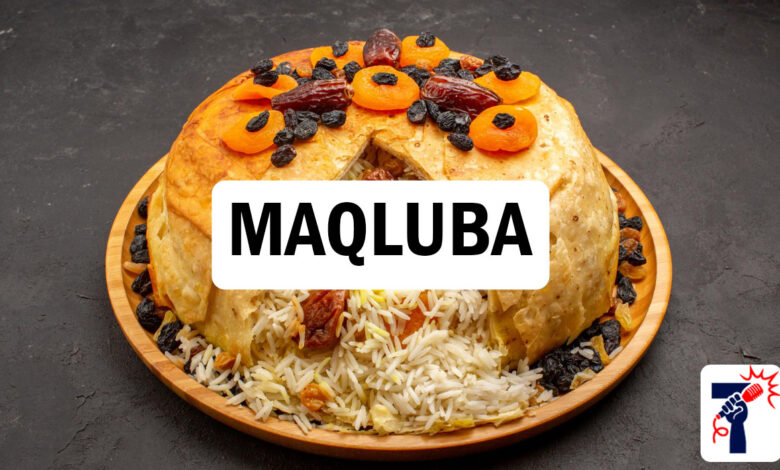
Maqluba is one of the most loved dishes in the Middle East, and once you learn its story, it is easy to understand why. This beautiful one-pot meal brings together spiced rice, tender meat, and colorful vegetables, all stacked in layers and cooked together. When it is time to serve, the pot gets flipped upside down onto a large plate, revealing a stunning tower of food that makes everyone at the table gasp. The word “maqluba” (also spelled maqlouba, makloubeh, or maqlooba) comes from Arabic and literally means “upside down.” It is not just a dish. It is a moment.
What Is Maqluba?
Maqluba is a traditional Levantine rice dish that has been cooked across Palestine, Jordan, Syria, Lebanon, and Iraq for hundreds of years. It belongs to the pilaf family of rice dishes, but what makes it truly special is the way it is built and served. The cook layers meat at the bottom of the pot, followed by fried or roasted vegetables, and then rice on top. After everything cooks together in a flavorful broth, the pot is carefully turned upside down onto a serving platter.
The result is a cake-shaped tower of food, with the meat on top, the vegetables in the middle, and the fragrant rice forming the base. It is often finished with a sprinkle of toasted pine nuts and chopped fresh parsley. Many families serve it alongside a fresh cucumber and tomato salad, a bowl of yogurt, and some olives on the side.
A Brief History of Maqluba
The earliest written record of a dish called maqluba appears in a 13th-century Arabic cookbook called “Kitab al-Tabikh” (The Book of Dishes), written by Muhammad Baghdadi during the Abbasid Caliphate. That early version was an egg dish rather than a rice-based meal, showing how much the dish has grown and changed over the centuries.
Today, maqluba is widely recognized as the national dish of Palestine. It has become a symbol of Palestinian culture and hospitality, often prepared for large family gatherings, celebrations, and guests. Across different countries, each region puts its own spin on the dish, using locally available vegetables and spices to make it their own.
Key Ingredients You Need
The core ingredients in maqluba are simple: meat, rice, and vegetables. However, the spices are what give it that deep, warm, and aromatic flavor that makes it so memorable. Here is what goes into a classic maqluba:
- Meat: Chicken and lamb are the most common choices. Chicken thighs or drumsticks work well because they stay juicy during cooking. Lamb adds a richer, deeper flavor.
- Rice: Long-grain basmati rice is the best choice. It stays light and fluffy, and the grains separate beautifully when the pot is flipped.
- Vegetables: Eggplant, cauliflower, and potatoes are the traditional favorites. Tomatoes, carrots, and onions are also common.
- Spices: Allspice, cinnamon, cardamom, cumin, turmeric, and black pepper are all key players. These warm spices are added to the cooking broth and between the layers.
- Broth: A good-quality chicken or lamb broth is used to cook the rice and infuse every layer with flavor.
Some cooks fry the vegetables in oil before adding them to the pot. Others prefer to bake them in the oven for a lighter, healthier version. Both methods work well and produce excellent results.
How to Make Maqluba Step by Step
Making maqluba at home takes a little time and patience, but the process is straightforward once you understand the layering method.
Step 1: Prepare the meat. Season your chicken or lamb with allspice, turmeric, cumin, cinnamon, black pepper, and a pinch of salt. Let it marinate for at least 20 to 30 minutes. Then cook the meat in a large pot with onions and whole spices like bay leaves, cinnamon sticks, and cardamom pods. Once the meat is cooked and the broth is fragrant, set both aside.
Step 2: Prepare the vegetables. Cut eggplant, cauliflower, and potatoes into even pieces. Either fry them in oil until golden or roast them in the oven at 400 degrees Fahrenheit (200 Celsius) until tender. Season them lightly with salt and pepper.
Step 3: Soak the rice. Rinse the basmati rice several times under cold water until the water runs clear. Then soak it in fresh water for 30 minutes. This step helps the rice cook evenly and results in a fluffier texture.
Step 4: Layer the pot. In a large, heavy-bottomed pot, layer the cooked meat at the bottom, then add the roasted or fried vegetables, and finally spread the soaked rice on top. Pour the seasoned broth over everything until the rice is just covered. Add a sprinkle of allspice and cinnamon between the layers for extra flavor.
Step 5: Cook low and slow. Bring the pot to a boil over medium-high heat, then reduce to low heat, cover tightly, and cook for 30 to 40 minutes until the rice is fully cooked and all the liquid is absorbed.
Step 6: The big flip. This is the most exciting part. Place a large, flat serving plate on top of the pot. Hold both firmly together and flip them in one confident move. Let the pot sit for a minute or two, then gently lift it up to reveal the maqluba. Garnish with toasted pine nuts and fresh parsley, and serve right away.
Regional Variations of Maqluba
One of the most interesting things about maqluba is how much it changes from one region to another while keeping its core identity. Palestinian maqluba often features eggplant and cauliflower as the main vegetables and is known for its bold spice profile. Jordanian versions frequently use lamb and sometimes include tomatoes at the bottom of the pot, which adds a rich, savory base to the dish.
In Iraq, the dish often gets a signature red color from tomato paste mixed into the broth. Lebanese cooks sometimes add a layer of sliced tomatoes beneath the meat for extra moisture and sweetness. Some modern home cooks have also created vegetarian versions by skipping the meat entirely and doubling up on vegetables, which works surprisingly well because the spices carry so much flavor on their own.
Conclusion
Maqluba is a dish with deep roots, rich flavors, and a theatrical serving moment that never gets old. Whether you make it for a weeknight family dinner or a special gathering with friends, it is the kind of meal that brings people together. Start with a basic chicken and eggplant version, follow the steps carefully, and do not be afraid of the flip. The result is absolutely worth it.
Frequently Asked Questions (FAQs)
Q1: What does “maqluba” mean in English?
Maqluba is an Arabic word that means “upside down.” The name refers to the way the dish is served, with the pot flipped onto a plate to reveal the layered ingredients.
Q2: What vegetables are used in maqluba?
The most common vegetables in maqluba are eggplant, cauliflower, and potatoes. Some recipes also include tomatoes, carrots, or onions, depending on the regional tradition.
Q3: Can I make maqluba without meat?
Yes, you can make a vegetarian version of maqluba by leaving out the meat and using vegetable broth instead. The spices and vegetables still provide plenty of flavor.
Q4: What type of rice is best for maqluba?
Long-grain basmati rice works best for maqluba. It stays fluffy and does not turn mushy, which helps the dish hold its shape when flipped.
Q5: How do I stop maqluba from falling apart when I flip it?
Make sure the rice is fully cooked and all the liquid is absorbed before flipping. Use a pot with a heavy bottom for even cooking, flip confidently and quickly, and let the pot rest on the plate for a minute or two before lifting it.
See more amazing Information visit Fact News