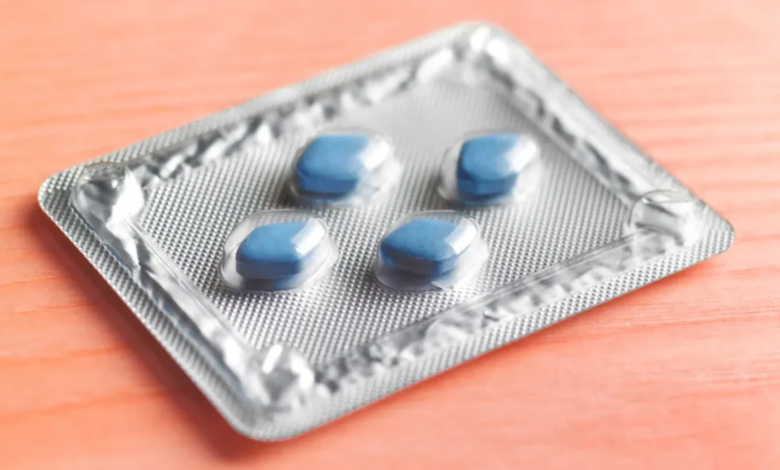
Sildenafil is one of the most effective treatments available for Erectile Dysfunction (ED), but taking the tablet is only part of what makes it work. Many men find that results vary from one time to the next, often without a clear reason. In most cases, small factors like timing, food intake, alcohol, and stress levels are quietly affecting how the medication performs.
Studies show that nearly one in three men using Sildenafil do not get the results they expect, often due to avoidable errors in how they take it. Getting the most out of Sildenafil is less about the medication itself and more about the conditions surrounding it.
This article covers what affects Sildenafil’s effectiveness and what practical steps can help you get better, more consistent results. Read on to learn how to make Sildenafil work better for you.
What affects how well Sildenafil works
Sildenafil works by relaxing blood vessels in the penis to increase blood flow during physical stimulation. It does not cause an erection on its own and requires arousal to take effect. Several factors can interfere with this process before the medication even has a chance to work properly.
Here are the main factors that affect Sildenafil’s effectiveness:
- Taking Sildenafil after a heavy or high-fat meal significantly delays absorption. The medication may still work, but the onset can shift from 30 to 60 minutes to 90 minutes or more.
- Alcohol reduces blood flow and can interfere with the physical response Sildenafil depends on, even at moderate intake levels.
- Psychological factors such as Depression, Anxiety, and stress directly affect arousal and physical response. If significant psychological pressure is present, Sildenafil may not produce a satisfactory result regardless of how it is taken.
- Underlying health conditions, including cardiovascular disease, diabetes and hypertension, affect the vascular function on which Sildenafil relies.
- An incorrect dose is a common and overlooked reason for poor results. A dose that is too low may produce little effect, while the right dose for each individual depends on health status and the severity of Erectile Dysfunction.
- Not allowing enough time for the medication to work is one of the most frequent errors. Sildenafil takes 30 to 60 minutes to reach full effect after ingestion.
Practical steps to get better results from Sildenafil
Most of the factors that reduce Sildenafil’s effectiveness can be addressed with straightforward adjustments. The following steps are based on how the medication works and on clinical guidance.
Timing and how you take it
Getting the timing right is the single most important factor in Sildenafil’s effectiveness.
Some steps to improve timing and use include:
- Take Sildenafil 30 to 60 minutes before physical activity for best results. Waiting closer to an hour gives the medication more time to reach full effect.
- Take it on an empty stomach or after a light, low-fat meal. Heavy or fatty meals delay absorption and reduce the consistency of the effect.
- Swallow the tablet whole with a glass of water. Do not crush or chew it, as this can affect its absorption.
- Never take more than one dose within 24 hours, regardless of results.
- For a full guide on how to take Sildenafil correctly based on your prescription, including specific instructions for different dosages, it is worth reviewing before your next dose.
Dose and medical review
Taking the wrong dose is a common reason Sildenafil does not produce the expected result.
Some steps related to dose include:
- Start with the prescribed dose and give it several attempts before concluding, as Sildenafil may not produce optimal results on the first use.
- If results remain inadequate after multiple attempts with the correct timing and conditions, speak with a doctor about whether a dose adjustment is appropriate.
- Sildenafil is available in 25 mg, 50 mg, and 100 mg strengths. The right Sildenafil dosage depends on individual health, age, and the severity of Erectile Dysfunction, and should always be determined with medical guidance.
- Do not adjust your Sildenafil dose without medical advice, as taking more than prescribed increases the risk of side effects without necessarily improving results.
Lifestyle changes that support Sildenafil’s effectiveness
Sildenafil works best when overall physical health supports the vascular function on which it relies. Long-term lifestyle habits directly affect how well the medication works.
Some practical lifestyle steps include:
- Regular physical activity improves cardiovascular health and blood flow, both of which directly support the mechanism through which Sildenafil works.
- Maintaining a healthy weight reduces the cardiovascular and hormonal barriers to Erectile Dysfunction that can limit the medication’s effect.
- Quitting smoking improves vascular function over time, as smoking damages the blood vessels that Sildenafil depends on to produce results.
- Limiting alcohol intake is important, as alcohol impairs blood flow and reduces the physical response the medication requires.
- Managing stress and Anxiety through therapy, relaxation techniques, or regular exercise reduces a significant barrier to the medication’s effectiveness.
- Getting adequate sleep supports testosterone levels and overall hormonal balance, both of which contribute to desire for intimacy and physical responsiveness.
- If low testosterone or an underlying health condition is contributing to poor results, addressing these medically will improve both the condition and the medication’s effectiveness simultaneously.
Conclusion
Sildenafil is an effective treatment for Erectile Dysfunction, but its effectiveness depends heavily on how it is taken and the conditions under which it is used. Timing, food intake, alcohol, dose, psychological state, and overall physical health all influence how well the medication works.
Many men who feel Sildenafil is not working can improve their results by making straightforward adjustments to when and how they take it, reducing alcohol, eating lighter meals before use, and allowing adequate time for the medication to take effect. Long-term lifestyle changes that support cardiovascular health further improve its effectiveness.
If results remain poor after these adjustments, a medical review of dose or underlying health factors is the appropriate next step. Consulting a doctor for personalized treatment is always recommended.