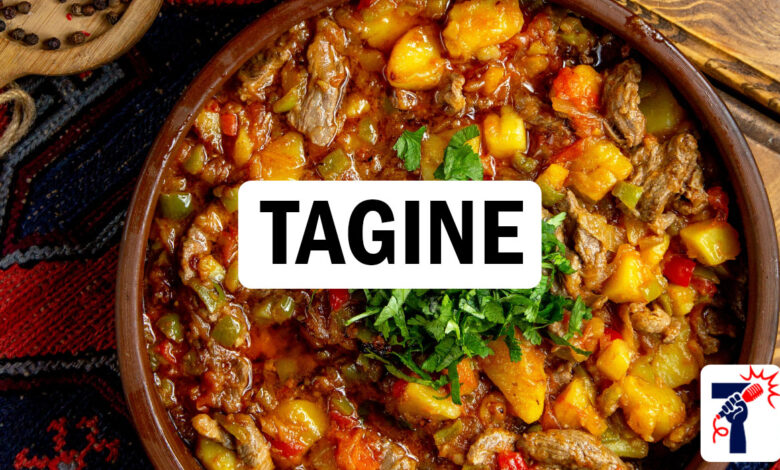
Tagine is one of the most loved dishes in the world. It is a slow-cooked stew from Morocco that is full of flavor, warm spices, and tender meat or vegetables. The name “tagine” refers to both the clay pot used for cooking and the dish inside it. If you have never tried making tagine at home, you are missing out on one of the simplest yet most satisfying meals you can prepare. This article will walk you through everything you need to know, from its history to a basic recipe you can follow today.
What Is Tagine?
Tagine is a North African dish that comes from Morocco. It is made by slow-cooking meat, vegetables, or fish with a blend of spices, dried fruit, nuts, and sometimes olives or preserved lemons. The result is a thick, rich stew with layers of flavor that are hard to get from fast cooking.
The word “tagine” also describes the cone-shaped clay pot used to cook the dish. This pot has a flat bottom and a tall pointed lid. The design is very smart: as the food heats up, steam rises into the cone, cools down, and drips back into the pot. This keeps the food moist and tender without needing a lot of water.
A Short History of Tagine
Tagine has a long and interesting history. Most food historians believe it started with the Berber people, who are the original inhabitants of North Africa. They were nomads who traveled across the desert and needed a way to cook food easily over an open fire. The tagine pot was perfect for this because it was portable and worked well over charcoal.
Some historians also believe the Romans had a similar type of cooking vessel, which may have influenced the design. Over many centuries, the dish picked up flavors from Arab, Ottoman, Andalusian, and French cooking traditions. Today, tagine is a symbol of Moroccan culture and is eaten in homes, restaurants, and at family gatherings across the country.
Why Is Tagine So Special?
What makes tagine different from other stews is the slow cooking process. When food cooks slowly at a low temperature, the spices blend together deeply. The meat becomes very soft, and the sauce turns thick and full of taste. You do not need fancy skills to make a good tagine. You just need the right ingredients and patience.
Another thing that makes tagine special is the balance of sweet and savory flavors. It is common to mix lamb with prunes, or chicken with apricots and honey. This combination may sound unusual, but it creates a rich and complex taste that feels comforting and exciting at the same time.
Common Ingredients in a Tagine
You do not need hard-to-find ingredients to make a tagine. Most items are easy to get at any grocery store. Here are the main ones:
- Protein: Lamb, chicken, beef, or fish. Lamb is the most traditional choice.
- Vegetables: Onions, carrots, zucchini, potatoes, or tomatoes.
- Spices: Cumin, coriander, turmeric, ginger, cinnamon, paprika, and saffron.
- Extras: Dried apricots, prunes, raisins, almonds, olives, or preserved lemons.
- Liquid: Chicken broth, vegetable broth, or water.
- Oil: Olive oil or a small amount of butter.
The spice mix called ras el hanout is also very popular in tagine recipes. It is a blend of many spices that gives the dish its signature Moroccan flavor. You can find it at most international or Middle Eastern grocery stores.
How to Cook Tagine at Home
You do not need a real clay tagine pot to make this dish at home. A heavy-bottomed pot or a Dutch oven works just as well. Here is a simple step-by-step guide for a classic chicken tagine:
Step 1: Prepare your chicken. Use bone-in chicken thighs or drumsticks. Season them with salt, pepper, cumin, turmeric, and ginger. Let the chicken rest for at least 30 minutes so the spices soak in.
Step 2: Cook the base. Heat olive oil in your pot over medium heat. Add sliced onions and cook until soft, about 8 minutes. Add garlic and cook for one more minute.
Step 3: Brown the chicken. Place the chicken pieces in the pot and cook each side for 3 to 4 minutes until golden brown. This step adds depth to the flavor.
Step 4: Add your ingredients. Pour in chicken broth and add preserved lemons, olives, and a pinch of saffron. Stir everything together.
Step 5: Slow cook. Cover the pot and cook on low heat for 45 minutes to 1 hour. Check every 20 minutes and add a little broth if the sauce gets too thick.
Step 6: Serve. Serve your tagine with warm Moroccan bread or couscous. Add fresh herbs like cilantro or parsley on top for color and freshness.
Tips for the Best Tagine
Getting a good tagine is all about a few key habits. First, do not rush the cooking. Low and slow is the rule. High heat can dry out the meat and burn the spices. Second, taste and adjust as you cook. Moroccan cooking is flexible, and you can always add more spice or a little honey to balance the flavor.
If you use a real clay tagine pot, season it before the first use by soaking it in water overnight. This keeps the clay from cracking when it heats up. Also, never put a cold clay pot on high heat. Always start on low and increase slowly.
Types of Tagine You Should Try
There are many different types of tagine, and each region of Morocco has its own style. Here are four of the most popular:
Tagine m’qualli uses olive oil, turmeric, saffron, and ginger. It has a yellow color and a light, fresh taste. Chicken with preserved lemon and olives is the most common version.
Tagine m’hammer uses butter, paprika, and cumin. It has a brownish-red color and a bold, hearty flavor. This style works very well with lamb or beef.
Kefta tagine is made with small spiced meatballs cooked in a tomato and herb sauce. It is simple, satisfying, and great for beginners.
Vegetable tagine skips the meat completely. It uses a mix of root vegetables, chickpeas, and dried fruits. It is a great option for vegetarians and is just as flavorful as the meat versions.
Conclusion
Tagine is more than just a meal. It is a cooking tradition that has been passed down through generations in Morocco and across North Africa. Whether you use a clay pot over charcoal or a Dutch oven on your stove, the result is a warm, flavorful dish that brings people together. Start with a simple chicken tagine and then explore the many other versions as you grow more confident. Once you try it, this dish will quickly become a regular part of your home cooking.
Frequently Asked Questions (FAQs)
Q1: Do I need a special tagine pot to cook tagine?
No, you do not. A heavy-bottomed pot or a Dutch oven works very well. The clay pot gives a slightly different texture, but the flavors will still be great without it.
Q2: How long does it take to cook tagine?
Most tagine recipes take between 45 minutes and 1.5 hours on low heat. Some slower versions can take up to 2 hours, but the hands-on time is short.
Q3: Can I make tagine without meat?
Yes, absolutely. Vegetable tagine with chickpeas, carrots, zucchini, and dried fruit is a popular and delicious option. It is just as filling and flavorful as the meat versions.
Q4: What do you eat with tagine?
Tagine is traditionally served with Moroccan bread called khobz. Couscous and rice are also popular choices. The bread is great for soaking up the thick sauce.
Q5: Can I freeze leftover tagine?
Yes, tagine freezes very well. Store it in an airtight container and freeze for up to 3 months. Reheat slowly on the stove with a little added broth to bring back the texture.
See more amazing Information visit Fact News