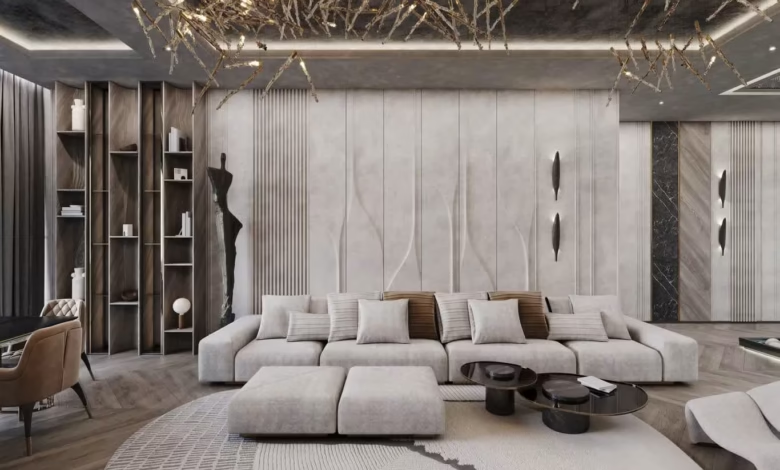
In modern interiors, ironmongery can either strengthen the overall design or quietly work against it. For architects, interior designers, contractors, and homeowners specifying hardware, the right finish, form, and detailing matter more than they often seem.
This guide explains the ironmongery trends shaping contemporary interiors, so you can select hardware that feels refined, practical, and visually consistent.
Let’s get in!
Quick answer:
For most contemporary interiors, the strongest ironmongery trends are antique brass and bronze finishes, slim lever handles, tactile textures, coordinated metal palettes, and cleaner integrated hardware details. The best option depends on whether the project leans warm contemporary, minimalist, industrial, or technology-led.
Which architectural ironmongery finishes are defining contemporary interiors right now?
- Warm metallic finishes
Contemporary interiors are moving away from overly shiny, cold-looking hardware and toward finishes that feel softer, warmer, and more architectural. Antique brass remains a strong choice because it adds warmth and character without looking overly decorative.
- Bronze and darker tones
Bronze and dark bronze finishes are widely used in high-end contemporary interiors. These finishes provide visual depth and work well with darker color palettes and natural materials such as wood and stone.
Satin stainless steel
Satin stainless steel remains a reliable option for contemporary interiors that favor cooler tones and clean, minimalist aesthetics. It is also highly durable, making it suitable for frequently used doors.
- Satin stainless steel
Satin stainless steel remains a reliable option for contemporary interiors that favor cooler tones and clean, minimalist aesthetics. It is also highly durable, making it suitable for frequently used doors.
- Matte black hardware
Matte black continues to appear in contemporary spaces, particularly in minimalist or industrial interiors. However, designers now use it more selectively rather than applying it throughout the entire home.
- Coordinated metal palettes
One of the biggest shifts is that contemporary interiors no longer rely on a single trendy finish across every room. Instead, there is more emphasis on controlled coordination.
That means matching or thoughtfully pairing door handles, cabinet pulls, hinges, and lighting details so the metal palette feels intentional. Mixed metals can work, but only when there is a clear visual hierarchy.
| Finish | Visual Effect | Best For | Not Recommended For |
| Antique Brass | Warm, aged, refined | Warm contemporary interiors | Ultra-cool monochrome schemes |
| Bronze / Dark Bronze | Rich, grounded, premium | Luxury and layered contemporary spaces | Very light casual interiors |
| Satin Stainless Steel | Clean, neutral, durable | Minimal contemporary projects | Warm heritage-led palettes |
| Matte Black | Strong contrast, graphic | Minimalist and industrial interiors | Soft layered spaces if overused |
If you want the safest trend-led choice for a modern interior, antique brass and bronze are usually more flexible than polished finishes. They work especially well with timber, stone, textured paint, and warmer neutrals, which continue to dominate contemporary residential interiors.
Which handle shapes and textures look most current in contemporary spaces?
Slim lever handles
Slim lever handles remain one of the most common choices in contemporary interiors. Their minimal form complements flush doors and modern architectural detailing.
Soft geometric forms
Modern handle designs often feature simple geometric shapes with softened edges. This approach keeps the hardware visually clean while maintaining a comfortable grip.
Textured surfaces
Knurled, ribbed, or lightly textured handles are becoming more popular because they add depth and tactile interest. Textured surfaces also help improve grip and reduce visible wear.
Oversized statement pulls
In certain areas, such as pivot doors or entrance doors, oversized pulls are used as architectural features. These larger pieces can create a striking focal point when used selectively.
Balanced proportions
Contemporary interiors favor hardware that feels proportionate to the door size and architectural scale. Overly decorative or bulky designs often feel out of place in modern settings.
Where does minimalist ironmongery work best in contemporary interiors?
Flush interior doors
Minimal hardware complements flush doors because it maintains the clean lines that contemporary interiors often emphasize.
Open-plan living spaces
Open-plan layouts benefit from simple ironmongery because it reduces visual clutter and allows architectural features to stand out.
Apartments and smaller homes
In apartments, minimalist hardware helps create a calm and uncluttered visual environment.
Kitchens and wardrobes
Contemporary kitchens and wardrobes often use subtle hardware so that cabinetry and materials remain the visual focus.
Sliding and pocket doors
Minimalist handles are particularly useful for sliding and pocket doors because they integrate more smoothly into the door surface.
When do bold finishes or statement ironmongery become a bad choice?
Reflective finishes in muted interiors
Bold ironmongery becomes a weak decision when it competes with the architecture instead of supporting it. For example, highly polished or reflective finishes can feel out of place in interiors built around matte plaster, natural oak, soft stone, and muted paint colors. In those spaces, the hardware can start to feel disconnected from the rest of the material palette.
Overuse of matte black
Another common problem is overusing matte black. It still works, particularly in minimalist or industrial interiors, but when applied to every handle, hinge, pull, and accessory, it can make a project feel predictable rather than current.
Contemporary interiors now have a wider finish vocabulary, so repeating one contrast-heavy finish everywhere can flatten the design.
Heavy decorative handles
Statement hardware can also be a poor fit on very clean flush doors. If the door design is intentionally quiet, a bulky decorative handle may feel pasted on rather than integrated. In these cases, quieter hardware with stronger material quality usually creates a more convincing result.
How much should durability and maintenance matter when following ironmongery trends?
They should matter a lot.
Finish durability
Trend-led hardware only remains attractive if it performs well over time. A finish that looks excellent in a showroom but scratches, fingerprints, or tarnishes too easily can quickly reduce the quality of the interior. That is why contemporary projects need finish choices that match the room’s traffic level and maintenance expectations.
Kitchen and bathroom environments
For kitchens, bathrooms, and frequently used doors, more durable finishes and solid construction are usually worth the extra cost.
Antique brass, bronze variants, and satin stainless steel tend to be more forgiving than brighter polished finishes because they hide minor wear better. Textured hardware can also help conceal daily use more effectively than completely flat, reflective surfaces.
This is where contemporary design often separates good specification from trend chasing. The best projects do not simply follow what is fashionable; they choose hardware that can still look intentional after years of daily contact.
What do designers consider before specifying architectural ironmongery?
When we specify ironmongery for contemporary interiors, we mostly consider these factors:
Overall material palette
We usually start with the material palette, not the handle itself. Flooring, joinery, wall texture, lighting finish, and door style all influence whether the hardware should disappear quietly or stand out as an accent.
Functional requirements
We also think about the role of the door within the room. In some spaces, the hardware should blend into the architecture. In others, it can become a point of interest through finish or texture. The right answer depends on whether the project is aiming for calm minimalism, layered warmth, or stronger visual contrast.
Comfort and ergonomics
Another important factor is how the hardware feels in use. Contemporary interiors are often judged as much by touch as by appearance. A handle that feels solid, balanced, and comfortable reinforces the impression of quality in a way that photos alone cannot.
What mistakes make contemporary ironmongery look dated too quickly?
Here are some mistakes you shouldn’t make:
- Following trends without context
One of the biggest mistakes is following trends without considering the architecture. Just because a finish is popular does not mean it belongs in every project. Hardware should support the style of the room, not fight it.
- Treating every door the same
Another mistake is treating every door the same. Entrance doors, bathroom doors, wardrobe doors, and internal flush doors often need different levels of visual emphasis and different practical functions. Using one idea everywhere can weaken the overall project.
- Ignoring coordination
A third mistake is ignoring coordination. When door handles, cabinet hardware, and lighting finishes all pull in different directions, the interior can feel unresolved.
- Low-quality hardware
Finally, many people choose hardware that photographs well online but feels poor in the hand. Contemporary interiors depend heavily on refined touchpoints, so quality matters more than novelty.
FAQs
- What are the different types of ironmongery?
Architectural ironmongery includes the metal hardware used on doors, windows, and joinery. Common types include door handles, hinges, locks, latches, door closers, cabinet handles, pull handles, door stops, and sliding door hardware.
These components support both the functionality and visual finish of interior and architectural design.
- What door handles are in style in 2026?
In 2026, popular door handle styles include slim lever handles, textured or knurled designs, and minimalist geometric forms. Finishes such as antique brass, bronze, satin stainless steel, and matte black are widely used in contemporary interiors because they combine durability with a refined aesthetic.
- What is ironmongery in architecture?
In architecture, ironmongery refers to the functional metal fittings used in buildings, particularly on doors and windows. This includes items like handles, locks, hinges, door closers, and latches that allow doors and other elements to operate properly while also contributing to the overall design.
- What are the three types of door handles?
The three main types of door handles are lever handles, door knobs, and pull handles. Lever handles are the most common in modern interiors because they are easy to use and ergonomic. Door knobs are more traditional, while pull handles are often used on sliding doors or large statement doors.
- What is the most popular color for door hardware?
Currently, antique brass and matte black are among the most popular colors for door hardware in contemporary interiors. Antique brass adds warmth and a refined look, while matte black provides strong contrast in modern and minimalist spaces. Satin stainless steel also remains widely used for its clean and durable appearance.
Conclusion
If you want a safe choice for most contemporary interiors, slim ironmongery in antique brass, bronze, or satin stainless steel usually offers the best balance of style and longevity. Before specifying, review the wider material palette of the project so the hardware feels integrated rather than added later. Choosing well-made ironmongery now will help the interior feel more refined, current, and durable over time.
READ ALSO: The Rise of Car Collecting as a Hobby