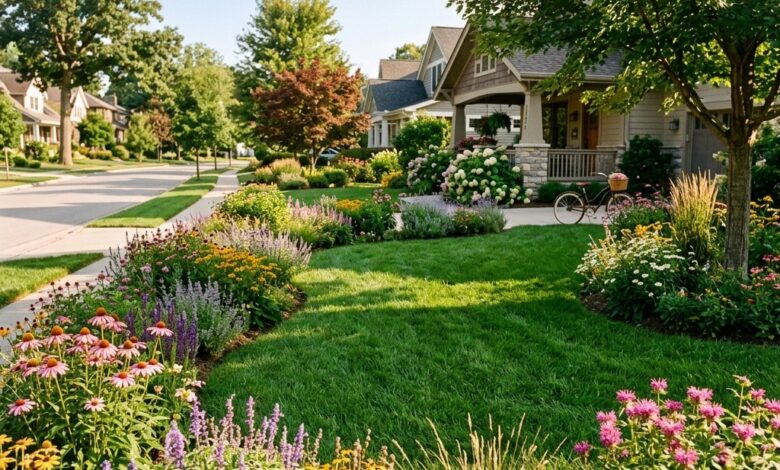
Most homeowners want a lush, healthy lawn—but not everyone thinks about what it takes to get there without harming the environment in the process. The products sprayed, the water used, the timing of treatments—all of it adds up. And when these decisions are made carelessly, the consequences extend well beyond your yard, affecting local waterways, soil health, and the broader ecosystem.
Weed Pro Lawn Care takes a different approach. Rather than defaulting to heavy chemical applications and reactive treatments, the focus is on building lawns that thrive because of smart, science-backed, eco-conscious practices—not in spite of them.
What Makes Lawn Care “Environmentally Responsible”?
Environmentally responsible lawn care isn’t just about swapping one product for another. It’s a whole system of decisions—how soil is treated, which products are selected, how much water is used, and when treatments are applied.
At its core, responsible lawn care means:
- Reducing chemical runoff that contaminates groundwater and local streams
- Improving soil health so grass grows stronger with less intervention over time
- Conserving water through efficient irrigation and drought-tolerant practices
- Protecting pollinators by avoiding broad-spectrum pesticides during bloom periods
These aren’t abstract ideals. Each one translates into specific, measurable actions that make a real difference for both your lawn and your local environment.
How Weed Pro Lawn Care Puts Eco-Friendly Practices to Work
Soil Testing and Targeted Nutrient Programs
One of the most environmentally damaging lawn care habits is over-fertilizing. When excess nitrogen and phosphorus wash off your lawn into storm drains, they fuel algae blooms in local waterways—a process called eutrophication that depletes oxygen and harms aquatic life.
Weed Pro Lawn Care starts with soil testing to understand exactly what nutrients your lawn needs. This means fertilizers are applied with precision, not guesswork. The result? A healthier lawn that doesn’t leach excess nutrients into the environment—and a lower cost to the homeowner over time.
Low-Impact Weed and Pest Control
Not every weed calls for a heavy chemical response. Weed Pro Lawn Care uses targeted, low-impact treatments that address problem areas without blanketing your entire yard in herbicides. Spot treatments, pre-emergent strategies, and timing-based applications reduce the total volume of chemicals used while keeping your lawn clean and weed-free.
For pest control, the approach is similarly measured. Broad-spectrum pesticides can wipe out beneficial insects—including the bees and beetles that your local ecosystem depends on. Weed Pro Lawn Care identifies the specific pest before selecting a treatment, so the solution is proportionate to the problem.
Water-Smart Lawn Treatments
Overwatering doesn’t just waste a precious resource—it creates the soggy, compacted conditions that invite fungal disease and weaken root systems. Weed Pro Lawn Care’s programs are designed to work with your lawn’s natural moisture levels, and aeration services improve the soil’s ability to absorb water efficiently. Less runoff, stronger roots, and a more resilient lawn all follow from that.
The Long-Term Benefits of a Greener Approach
A lawn managed with environmental responsibility in mind doesn’t just look good now—it gets easier to maintain over time. Healthy soil becomes more biodiverse, which naturally suppresses weeds and pests. Grass that’s properly fertilized grows thick enough to crowd out competition. Root systems that reach deep into the soil are far more drought-tolerant.
This compounding effect is one of the most compelling reasons homeowners stick with eco-conscious lawn care services. The lawn improves year over year, and the inputs required to maintain it gradually decrease. That’s a better outcome for the homeowner, and a much better outcome for the environment.
Why Lawn Care Choices Have a Community-Wide Impact
It’s easy to think of your lawn as a contained, private space. But what happens on your lawn doesn’t stay on your lawn. Rainwater carries fertilizers and pesticides into storm drains. Wind disperses herbicide particles onto neighboring properties. Compacted soil with poor absorption contributes to localized flooding.
When enough homeowners in a neighborhood adopt responsible lawn care practices, the cumulative environmental benefit is significant. Cleaner waterways, healthier soil across the community, and more stable local ecosystems are all downstream effects of individual lawn care decisions.
Weed Pro Lawn Care understands this ripple effect—and it shapes how every service is designed and delivered.
What Clients Notice After Switching
Homeowners who move to Weed Pro Lawn Care’s environmentally responsible programs often report a few consistent observations:
- Fewer weeds returning each season, as the underlying soil health improves
- Less water needed to keep the lawn looking healthy
- More wildlife activity—birds, butterflies, and beneficial insects returning to the yard
- Greater confidence knowing their lawn isn’t contributing to chemical runoff in the neighborhood
These results don’t happen overnight, but they do happen consistently when the right practices are applied with care and expertise.
A Lawn You Can Feel Good About
Environmentally Responsible Lawn Care means building and maintaining a yard that delivers real, lasting beauty—without trading off the health of your soil, your local waterways, or the broader ecosystem that surrounds your home.
The standards applied go well beyond surface-level appearance. Every treatment decision is made with an understanding of its downstream effects—on your lawn, your neighborhood, and the environment you share with everyone around you.
For homeowners who want a yard that reflects their values just as much as their aesthetic preferences, Weed Pro Lawn Care delivers the expertise and commitment to make it possible.