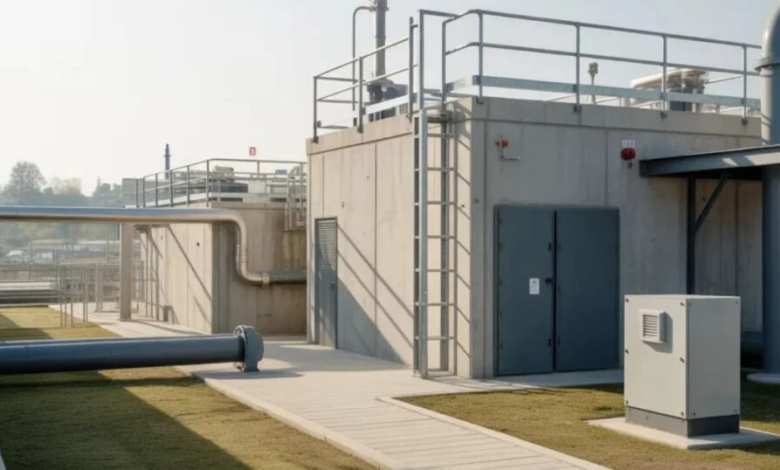
A sewage pumping station is an essential part of modern wastewater infrastructure, designed to transport sewage and foul water from lower to higher elevations where gravity flow is not sufficient. An efficient sewage pumping station will guarantee proper sewage transfer, prevent system overflow, and ensure sustainable wastewater management in both urban and rural settings.
A sewage pumping station is a critical component of modern engineering and drainage systems, as it helps maintain hygiene standards and keep the environment clean. The absence of a dependable sewage pumping facility would lead to frequent wastewater blockages, backflow, and inefficiencies in management systems, particularly in low-lying regions and growing cities and towns.
What is a Sewage Pumping Station
A sewage pumping station is a mechanical system that is applied to pump wastewater from a lower level to a higher one when the latter cannot be pumped using gravity. It is mostly applied in sewerage systems, residential areas, industrial areas, and municipal wastewater systems.
This system gathers the sewage in a wet well or chamber and then transfers it to a rising main or sewer line using very powerful pumps. It is a component of the current wastewater system and helps in maintaining the flow of wastewater without interruption.
Importance in Wastewater Management
A sewage pumping station is also significant as it helps to maintain the flow of wastewater over the complicated surface. Gravity-based drainage systems have become very necessary in many areas due to the lack of natural slope to support the drainage system.
The most important factors are:
- Prevention of sewage backflow in drainage systems
- Effective transportation of foul water to treatment plants.
- Less environmental pollution.
- Better sanitation and health status.
Contemporary wastewater management systems cannot do without these stations to provide uninterrupted services.
Key Components of Sewage Pumping Station
An average sewage pumping station comprises a number of engineered components that collaborate to operate effectively:
- Wet well or collection chamber.
- Submersible sewage transfer pumps.
- Automated operation control panel.
- Level sensors and alarm systems.
- Non-return valves to avoid backflow.
- Rising main pipeline
- Odor control ventilation system.
All parts will be manufactured to ensure durability, safety, and an uninterrupted flow of wastewater.
Working Principle of Sewage Pumping Station
The principle of operation of a sewage pumping station is the controlled collection and pressurised pumping of wastewater.
Initially, the sewage is pumped into a wet well by the gravity of the related sewer lines. Sensors are triggered once the liquid has attained a certain level, which triggers the pumping system. The submersible pumps then pump the sewage to a pressurised rising main, which can take it to a treatment facility or main sewer network.
Once the level has been lowered, the pumps are automatically turned off until the next cycle commences. This is an automated process that guarantees efficiency and less involvement of manual intervention.
Types of Sewage Pumping Stations
There are various sewage pumping stations that are applicable based on the capacity and application needs:
- Residential pumping stations of housing developments.
- Business facilities commercial wastewater pump systems.
- Municipal sewage pumping stations for city infrastructure
- Factories are pumping industrial effluents.
- Compact installation packages for pumping stations.
The types are engineered to meet particular loads of wastewater and operating conditions.
Applications in Residential and Commercial Sectors
There are a lot of sewage pumping stations that are used in the different sectors. They are used in residential developments, where there is no gravity flow, to support underground drainage. They can handle large amounts of wastewater in commercial buildings.
Common applications include:
- Housing estates and apartment complexes.
- Office buildings and shopping centres.
- Hospitals and educational institutions.
- Industrial parks and manufacturing facilities.
- Rural locations with inadequate sewer services.
These systems can ensure uniform wastewater flow despite geographical constraints.
Benefits of Modern Sewage Pumping Stations
The sewage pumping stations of today have several benefits in the wastewater management systems:
- Faster sewage transfer.
- Less risk due to flooding and overflow.
- Safe wastewater management environmentally.
- Automated work with a minimum of supervision.
- Increased life and durability.
- Fitting in high-technology sewer systems.
They also enhance sustainable development of infrastructure through the minimisation of environmental degradation and the improvement of the sanitation level.
Design Considerations and Engineering Factors
A sewage pumping station should be designed with a keen engineering analysis to achieve performance and reliability.
Important factors include:
- The estimation of the wastewater flow rate and volume.
- Hydraulic efficiency and pump capacity.
- Installation site depth and layout.
- Corrosion resistance material selection.
- Electrical control and monitoring systems.
- Ventilation and odour control measures.
The correct design guarantees efficiency over time and minimises the maintenance needs in wastewater systems.
Maintenance and Operational Efficiency
It is necessary to maintain a sewage pumping station regularly to ensure its smooth functioning. Systems can become clogged, pump failure, or less efficient without appropriate servicing.
Maintenance activities will usually include:
- Checking of the pumps and mechanical components.
- Wet well and collection chamber cleaning.
- Control panel and sensor testing.
- Checking non-return pipelines and valves.
- Keeping track of alarm and safety systems.
Effective maintenance extends the system’s lifespan and ensures the uninterrupted flow of wastewater.
Choosing a Professional Service Provider: PDAS Group Reference
The choice of a professional to design and install sewage pumping stations is significant in ensuring a reliable performance. Professionals also provide assurance of adherence to engineering standards, system configuration, and efficient long-term operation.
One reliable industry player is PDAS Group, which has led in providing innovative wastewater treatment and engineered pumping systems. Their experience in drainage and sewage transfer systems helps them deliver reliable work on small- and large-scale projects, even in harsh conditions.
To make sure that a sewage pumping station is designed, installed and maintained in compliance with modern standards of wastewater management, it is better to select a specialist provider.