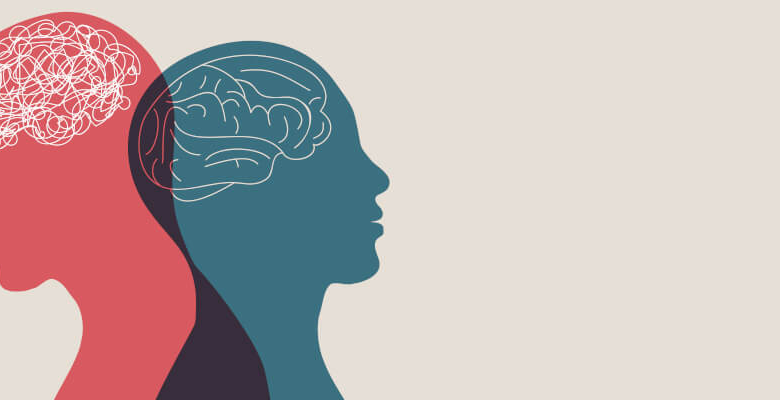
In 2026, neuro health is no longer just about preventing disorders or treating neurological diseases. It is being redefined through a new concept called “brain energy management.” Instead of focusing only on structure and function, people are now paying attention to how efficiently their brain uses energy throughout the day.
This shift is happening because individuals are experiencing mental fatigue, decision exhaustion, and burnout more than ever before. The modern brain is constantly processing information, switching tasks, and responding to digital stimuli. As a result, managing brain energy has become as important as managing physical health.
Why Mental Fatigue Is the New Health Concern
Mental fatigue is no longer limited to overwork. It is now a common issue caused by continuous digital engagement, multitasking, and lack of recovery time.
People often feel drained even without physical exertion. This is because the brain consumes a significant amount of energy, and constant stimulation prevents it from resetting.
In 2026, mental fatigue is being recognized as an early warning sign of deeper neurological imbalance. Addressing it early is essential for maintaining long-term cognitive health.
The Shift From Brain Function to Brain Efficiency
Earlier, neuro health focused on whether the brain was functioning properly. Today, the focus is on how efficiently it is functioning.
Brain efficiency refers to the ability to process information, make decisions, and maintain focus without excessive energy consumption. When efficiency is low, tasks feel harder and require more effort.
People are now adopting strategies to improve efficiency, such as structured routines, focused work sessions, and intentional breaks.
The Role of Sleep in Brain Energy Reset
Sleep is one of the most critical factors in brain energy management. During sleep, the brain clears waste products, consolidates memory, and restores energy levels.
In 2026, poor sleep is directly linked to reduced cognitive performance and increased stress. People are prioritizing sleep hygiene, including consistent schedules and reduced screen exposure before bedtime.
Improving sleep quality has become one of the simplest yet most effective ways to enhance neuro health.
Nutrition and Brain Performance
What we eat has a direct impact on how our brain functions. Nutrient deficiencies, dehydration, and irregular eating patterns can affect concentration and memory.
In 2026, individuals are focusing on brain-supportive nutrition. Balanced meals, hydration, and mindful eating are helping maintain stable energy levels throughout the day.
This approach ensures that the brain has the resources it needs to function efficiently.
When Medical Evaluation Becomes Necessary
While lifestyle changes can address many issues, persistent symptoms should not be ignored. Chronic headaches, memory problems, or unusual neurological signs may require professional evaluation.
A Neurologist plays a key role in diagnosing such conditions. Through detailed assessment and testing, they identify underlying causes and recommend appropriate treatment.
Early intervention helps prevent complications and improves outcomes.
Technology Is Reshaping Neuro Health
Technology is both a challenge and a solution in modern neuro care. While excessive use contributes to mental fatigue, advanced tools are helping monitor and improve brain health.
Wearable devices and apps can track sleep patterns, stress levels, and cognitive performance. These insights allow individuals to make informed adjustments to their routines.
This data-driven approach is making neuro health more personalized and actionable.
Advanced Care for Complex Conditions
For more serious neurological conditions, specialized care is essential. Brain tumors, spinal issues, and injuries require precise intervention.
A Neurosurgeon is trained to handle these complex cases using advanced techniques. Modern procedures are safer and more efficient, allowing patients to recover with fewer complications.
This highlights the importance of combining preventive care with expert medical support.
Emotional Balance and Brain Health
Emotional well-being is closely linked to brain function. Stress and anxiety can disrupt neural pathways and reduce efficiency.
In 2026, emotional regulation is considered a core part of neuro health. Practices such as mindfulness, breathing exercises, and structured routines are helping individuals maintain balance.
This holistic approach ensures that both mental and physical aspects are addressed.
Challenges in Managing Brain Energy
Maintaining brain efficiency requires consistency. Busy lifestyles, digital distractions, and irregular habits can make it difficult to follow healthy routines.
There is also a need for greater awareness about early symptoms and preventive strategies. Education and discipline are key to overcoming these challenges.
The Future of Neuro Health
The future of neuro health lies in deeper personalization and integration. As research advances, individuals will have access to more precise tools for managing brain energy.
This will lead to better performance, improved well-being, and reduced risk of neurological disorders.
Conclusion
Brain energy management is redefining neuro health in 2026. By focusing on efficiency, recovery, and balance, individuals can improve both cognitive performance and overall quality of life.
With the support of lifestyle changes, technology, and medical expertise, the brain can be trained to function more effectively in a demanding world.