
How to Rent Construction Machines for Large-Scale US Projects Without Overpaying or Facing Downtime

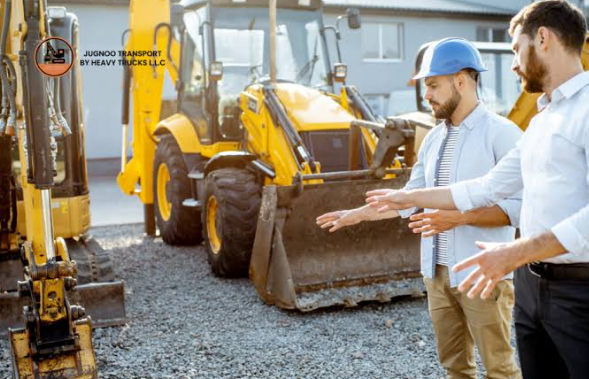
Large-scale construction projects in the United States operate under conditions that leave little room for error. Schedules are tight, subcontractor timelines are interdependent, and the cost of idle crews or stalled phases compounds quickly. When a machine fails to arrive on time, arrives in poor working condition, or turns out to be the wrong specification for the task, the consequences ripple across the entire project timeline. Equipment decisions, often treated as a procurement afterthought, are in reality a core operational variable that can either stabilize or destabilize a project’s execution.
For project managers, site superintendents, and operations leads working on large-scale builds — infrastructure, commercial, industrial, or civil — renting construction equipment is rarely as simple as calling a vendor and placing an order. The decision involves assessing machine suitability, rental terms, fleet availability, service coverage, and the reliability of the provider across the entire rental period. Getting this right requires a structured approach, not just a price comparison.
Understanding What Construction Machines Rental Actually Involves at Scale
Construction machines rental at the scale of a major US project is a logistical and contractual process that goes well beyond short-term equipment access. It encompasses fleet planning, delivery coordination, operator compatibility, maintenance responsibility, and contingency support. For a single-phase project using one or two machines, informal arrangements may be manageable. For multi-phase, multi-site, or extended-duration projects, the rental relationship functions more like a service partnership than a simple transaction.
Providers who specialize in large-scale construction machines rental typically offer a different level of operational support than general equipment dealers. They maintain broader fleet inventories, offer more flexible substitution options when machines require service, and often structure contracts to accommodate project phase changes. Understanding what a provider’s service model actually covers — before signing any agreement — is the starting point for avoiding costly surprises later.
Key elements to evaluate in any rental arrangement include:
• Maintenance and breakdown responsibility, including who covers the cost and timeline of repairs during the rental period
• Substitution guarantees, meaning whether the provider can supply a comparable replacement machine if the primary unit becomes unavailable
• Delivery and pickup logistics, including lead times, site access requirements, and transport coordination
• Contract flexibility, particularly around early returns, extensions, and modifications as project scope shifts
Why the Rental Agreement Structure Matters More Than the Daily Rate
Many project teams evaluate rental costs primarily by comparing day rates or weekly rates between vendors. While price is a legitimate factor, focusing on rate alone frequently leads to higher total costs over the life of the rental. Agreements that appear cheaper upfront often contain provisions that transfer risk to the renter in ways that only become apparent when something goes wrong.
A machine that breaks down mid-project and takes several days to repair or replace creates downtime that costs far more than the difference in daily rates between two vendors. Similarly, rigid contract terms that penalize early returns or do not accommodate scope changes can lock a team into paying for equipment they no longer need. The rental agreement structure — how it handles disruption, change, and service failures — is a more reliable indicator of total cost and operational risk than the headline rate.
Matching Machine Type to Project Phase Rather Than Project Category
One of the more common sources of equipment inefficiency on large projects is selecting machines based on the broad project type rather than the specific phase requirements at a given point in time. A commercial development project, for instance, involves ground preparation, foundation work, structural support, material handling, and finishing phases — each with distinct machine demands. Renting based on general project category rather than phase-specific requirements often results in machines sitting idle during phases where they are not useful, or teams working with inadequate equipment during phases that require higher capacity.
Phase-based equipment planning requires collaboration between site leadership and the rental provider early in the project — ideally before mobilization. This planning stage is where machine specifications, timing windows, and sequencing can be mapped against the project schedule, allowing the rental agreement to be structured around actual demand rather than estimates.
Planning for Machine Transitions Between Project Phases
On multi-phase projects, equipment needs shift significantly as work progresses. A machine essential during site preparation may be unnecessary by the time structural work begins, while a different type of equipment becomes critical at that stage. Without a plan for these transitions, teams either over-rent to ensure coverage across all phases or under-rent and scramble to source additional equipment at short notice — often at higher rates and with less favorable terms.
Working with a rental provider who can manage machine swaps between phases, maintain consistent availability, and adapt the fleet to evolving site conditions reduces both cost and coordination overhead. This is particularly relevant for projects operating across multiple sites or running concurrent phases, where equipment demand is less predictable and flexibility in the rental arrangement becomes a significant operational asset.
Evaluating Rental Providers Based on Service Continuity, Not Just Inventory
A rental provider’s fleet size is a frequently cited metric, but it is not the most useful measure of how reliably they will support a large project. Fleet size tells you what is available on paper. Service continuity tells you what is available when something goes wrong. For large-scale projects, what matters is the provider’s ability to maintain machine availability throughout the rental period, not just at the point of initial delivery.
Service continuity depends on several factors: the geographic distribution of the provider’s service centers relative to the project site, the response time for on-site maintenance or repair, the depth of their replacement inventory for the specific machine types being rented, and their track record of fulfilling commitments on extended-duration contracts. According to the Associated General Contractors of America, equipment reliability and availability consistently rank among the top operational concerns for US construction project managers — a reflection of how directly these factors affect project outcomes.
What to Ask Before Committing to a Long-Term Rental Agreement
Before entering a rental agreement for a large project, a structured set of questions can reveal how well a provider will perform under real operating conditions. These are not questions about specifications or pricing alone — they are questions about operational behavior and service structure.
• What is the average response time for a service call on a machine that is out of operation at a project site in your region?
• If a rented machine requires extended repair, how quickly can a replacement unit be sourced and delivered, and is that commitment documented in the contract?
• What is the process for modifying the rental agreement mid-project if the equipment list or timeline changes?
• Do you have documented experience supporting projects of comparable scale, duration, and machine intensity?
• What reporting or communication structure do you provide to keep site management informed of machine status during extended rental periods?
Managing Cost Without Sacrificing Operational Reliability
Controlling rental costs on a large project does not require choosing the cheapest provider or the fewest machines. It requires structuring the rental relationship in a way that matches actual demand, reduces waste, and eliminates the hidden costs associated with downtime, substitution delays, and contract rigidity. The most effective cost management happens at the planning stage, not during negotiation.
Projects that define their equipment requirements by phase, set realistic timeline windows for each machine type, and build in formal mechanisms for adjusting the rental scope tend to spend less overall than projects that negotiate on rate alone. They also tend to experience fewer disruptions, because the rental structure was designed around operational reality rather than optimistic assumptions about how smoothly the project would proceed.
Avoiding the Cost Traps That Are Common on Large Rental Projects
Several recurring patterns tend to inflate rental costs on large projects, and most of them are avoidable with better planning and clearer contractual terms. Understanding where these cost traps typically appear allows project teams to address them before they become problems.
• Renting machines earlier than needed because the project timeline was not mapped against actual equipment demand phases, leading to days or weeks of rental cost with no productive use
• Retaining machines past their useful phase because returning them requires advance notice that was not planned for, resulting in continued billing for idle equipment
• Accepting verbal assurances about substitution or service response without having those commitments written into the contract, which leaves the renter with no recourse when those assurances are not met
• Failing to account for mobilization and demobilization costs, which on large or remote sites can represent a meaningful share of the total rental expenditure
Coordinating Rental Equipment With Other Site Logistics
On large construction sites, equipment does not operate in isolation. Machine availability, positioning, and movement must be coordinated with material deliveries, crew schedules, subcontractor timelines, and safety protocols. A rental machine that arrives on the right day but at the wrong time of day, or that requires site access that conflicts with ongoing work, creates operational friction that is often not accounted for in standard rental planning.
This coordination is particularly important for heavy or specialized machines that require specific ground conditions, access routes, or setup time before they are operational. Project teams that treat equipment delivery as a standalone logistics task, separate from broader site coordination, tend to experience more delays than those who integrate machine scheduling into the overall project operations plan. Rental providers with experience in large-scale projects typically understand these coordination requirements and can work within established site protocols — but only if those protocols are communicated clearly at the start of the engagement.
Concluding Thoughts
Renting construction equipment for large-scale projects in the United States is a process that rewards preparation and penalizes improvisation. The teams that manage it well are not necessarily those with the largest budgets or the most vendor relationships — they are the ones who approach equipment planning as a structured operational discipline, treat the rental agreement as a working document rather than a formality, and select providers based on service continuity and accountability rather than fleet size or rate alone.
Overpaying and facing downtime are not random outcomes on construction projects. They are predictable results of specific decisions made during the planning and procurement stages. Understanding where those decisions carry the most risk — in contract structure, in phase planning, in provider evaluation, and in site coordination — allows project teams to approach the rental process in a way that supports execution rather than complicating it. For large-scale projects where margin and timeline are both under pressure, that preparation is not optional. It is the baseline from which everything else follows.


