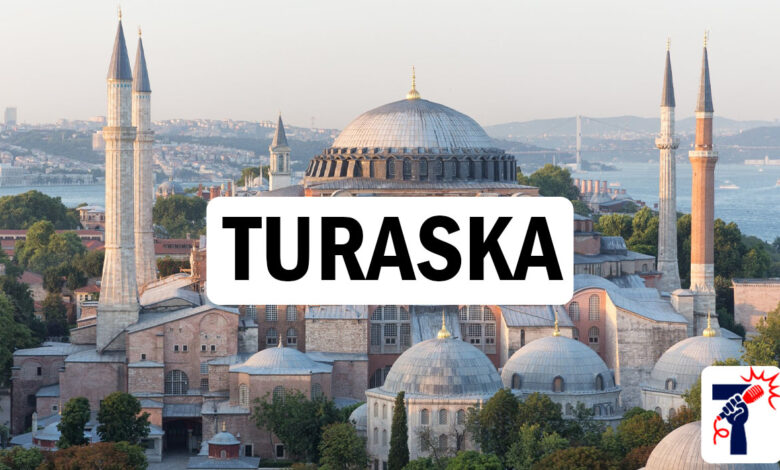
Turaska is a word that many people come across online but very few truly understand. Whether you found it while reading about history, culture, or language, this term has a deep and interesting story behind it. The word Turaska has roots in ancient Sanskrit texts where it was used to describe foreign peoples, especially groups connected to Central Asia and Turkic communities. Over time, its meaning has grown and changed. Today, people also connect it with the country known as Turkiye (Turkey). In this article, we will explore the meaning, history, cultural importance, and modern uses of Turaska in a simple and clear way.
What Does Turaska Mean?
Turaska is a historical and linguistic term that comes from old Indian literature, mainly written in Sanskrit. In those ancient texts, the word was used as a label for foreign tribes or groups of people. Most often, it pointed to communities from Central Asia, especially those with Turkic roots. It was a way for writers to describe people who came from outside the known world of ancient Indian society.
The meaning of Turaska is not fixed to one definition. In some places, it described outsiders in a general sense. In other places, it became closely linked with Turkic rulers and warriors who entered the Indian subcontinent during medieval times. So, the best way to understand Turaska is to see it as a flexible term that changed its meaning depending on the time, place, and context in which people used it.
The Origin and History of Turaska
The word Turaska likely comes from the Sanskrit terms “Turuska” or “Turushka.” Scholars have found these words in major ancient Indian texts like the Mahabharata, the Vishnu Purana, and the Bhavishya Purana. In these old writings, the term was used to identify groups living beyond the northwestern borders of India. This shows that Indian writers were aware of Central Asian peoples from a very early time.
As history moved forward, the meaning of Turaska became sharper. When Turkic and Central Asian groups started entering India as rulers and military forces during the medieval period, the word took on new weight. It was no longer just a name from old stories. It became a real part of political and social language. People used it to describe the changing world around them as new cultures mixed and new powers took shape across the region.
Turaska in Sanskrit Literature
Turaska appears in several important Sanskrit literary works. Texts like the Kathasaritsagara and the Rajatarangini mention groups called Turaska when talking about foreign peoples. These references help us understand how ancient Indian writers saw the wider world and the different communities living beyond their borders.
In these texts, Turaska often carried a sense of “the other.” It represented people who were different in language, culture, and customs. Sometimes the descriptions were neutral, and sometimes they showed respect for the military strength of these groups. This tells us that the word was not simply negative or positive. It was a tool that writers used to explain a complex world full of different peoples and traditions.
Connection Between Turaska and Turkiye (Turkey)
One of the most common modern connections people make with Turaska is to the country Turkiye, also known as Turkey. This link makes sense because the word itself shares linguistic roots with “Turk” and “Turkic.” In several South Asian languages, especially Bengali, Turaska is still used as a translation or reference for Turkey.
In recent years, as Turkiye pushed to use its official name globally instead of “Turkey,” more people started searching for related terms online. This increased interest brought Turaska into the spotlight once again. Many users who search for Turaska today are looking for information about the country, its culture, and its rich history. The word acts as a bridge between ancient language and modern geography.
Cultural Importance of Turaska
Turaska is deeply connected to culture, identity, and memory. In ancient times, the groups described as Turaska were known for their nomadic lifestyle. They moved with the seasons, lived close to nature, and carried rich traditions of storytelling, music, and art. These cultural elements have survived through the centuries and still influence communities across Central and South Asia.
The word also played a role in shaping how different civilizations understood each other. When Indian writers used Turaska in their texts, they were doing more than naming a group. They were recording how cultures met, mixed, and sometimes clashed. This makes Turaska an important term for anyone interested in understanding how cultural exchange worked in the ancient world.
How Turaska Is Used in the Modern World
In today’s digital world, Turaska has found new life. People use it in creative projects, online communities, and even branding. Because the word is unique and memorable, it works well as a name for characters in stories, online usernames, or creative ventures. Its rare and distinctive sound makes it stand out in a crowded online space.
Beyond creative uses, Turaska also serves as a valuable keyword for content creators and researchers. People search for it when they want to learn about history, language, and cultural identity. Blog writers and educators use the term to create informative content that connects ancient knowledge with modern curiosity. This shows that even old words can find fresh purpose in the digital age.
Why People Search for Turaska Online
There are several reasons why Turaska attracts online searches. First, many people discover the word while reading about history or ancient Indian texts and want to understand its full meaning. Second, travelers and language learners come across it while researching Turkiye and its naming variations. Third, creative writers and digital content creators look for unique terms like Turaska to use in their work.
Another reason is simple curiosity. The word sounds interesting and unfamiliar, which encourages people to search and learn more. In a world where information is easy to find, an unusual word like Turaska becomes a doorway to exploring history, culture, and language. This growing search interest shows that people still care about understanding where words come from and what they truly mean.
Conclusion
Turaska is much more than just a word. It carries centuries of history, culture, and human connection within it. From its roots in ancient Sanskrit texts to its modern links with Turkiye and digital culture, Turaska shows us how language grows and changes over time. Understanding this term helps us see how different civilizations interacted, how identities were formed, and how old words can still hold meaning in our modern world.
Frequently Asked Questions
1. What is the simple meaning of Turaska? Turaska is an old term from Sanskrit literature that was used to describe foreign peoples, especially groups with Turkic or Central Asian roots. Today, it is also linked with the country Turkiye.
2. Where does the word Turaska come from? The word comes from ancient Sanskrit. It appears in major texts like the Mahabharata and the Vishnu Purana, where it referred to communities from Central Asia.
3. Is Turaska related to Turkey? Yes, Turaska shares linguistic roots with “Turk” and “Turkic.” In some South Asian languages like Bengali, it is still used as a word for Turkey or Turkiye.
4. Why do people search for Turaska online? People search for Turaska because of curiosity about its meaning, its connection to history and ancient texts, and its link to Turkiye. Creative writers also use it for unique projects.
5. Can Turaska be used for branding or creative work? Yes, because Turaska is unique, memorable, and not widely used, it works well for branding, storytelling, online identities, and creative projects.
See more amazing Information visit Fact News