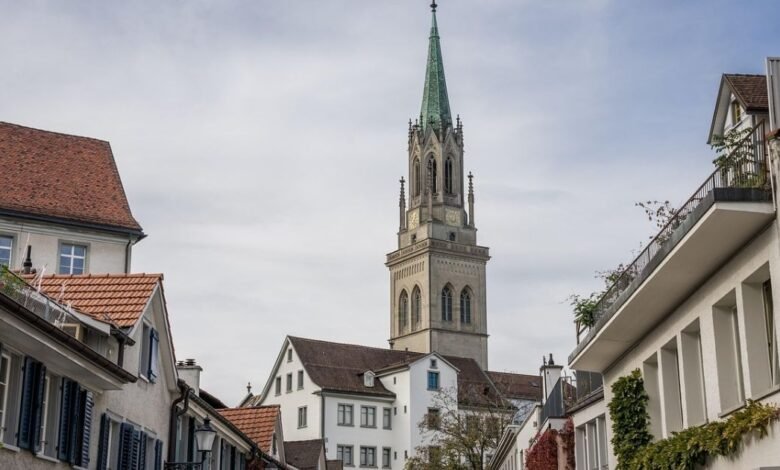
Church insurance is a basic requirement for all places of worship in the Uited Kingdom. Church insurance will provide the congregation with assurance of financial protection and the ability to carry on, regardless of the preservation of historic buildings, valuables, or community activities. As centres of spirituality, churches are exposed to specific risks, including physical damage, public liability, weather, and theft, among others, and proper cover is essential for the trustees, officers, and clergy.
This guide discusses what church insurance is, the main elements of coverage you should have, how your policies are specific to your church’s needs, and why places of worship in the UK need specialist insurance.
What Is Church Insurance?
Church insurance is a tailored policy designed to cover religious structures, community halls, parsonages, and other related properties. Unlike mainstream commercial insurance, it prioritises the unique needs of places of worship, their architectural legacy, the activities of their congregation, volunteers, and accessibility for the general population.
Why Churches Need Specialist Insurance
The uniqueness of the churches makes them properties that are usually old, with historical backgrounds, and with a broad range of activities beyond the normal worship. Part of the risks associated with churches are related to open festivals and concerts, community dinners, and outreach programmes, among other activities, which expose these churches to numerous forms of risk not covered by the general commercial policies.
In the absence of a specialist church insurance:
- The destruction of buildings can result in costly repairs.
- Important items such as organs, artefacts, and stained glass cannot be secured.
- Visitors can make substantial claims against the organisation as a result of legal liability for injury or damage that occurs.
Key Components of Church Insurance
Generally, a complete church insurance policy includes several fundamental components. These provide assurance that the liabilities of running a place of worship, as well as the physical assets, are addressed.
a. Church Buildings Cover
Church buildings cover safeguards the cloth of your church – tiles and stonework in roofs, internal fittings, and structural swing of your church. This is an essential part of any policy since most churches are made of certain materials that need the expertise of a repairer.
b. Church Contents Insurance
The contents cover valuable properties in your church. This could include musical instruments, communion vessels, artwork, volunteer equipment, and historical artefacts.
c. Public Liability Insurance
The public liability insurance protects your church against expenses incurred due to claims by the public or visitors as a consequence of personal injury or property damage at the church’s activities or events.
d. Church Officers Indemnity
This is a type of cover used to protect voluntary officers, trustees, and members of the management committee against claims arising from errors made in the line of duty. This indemnity is much needed, since most church officers are volunteers who are not paid.
e. Events Insurance
Churches regularly host fundraising events, concerts, community meetings, and courses. Events insurance addresses the unique liabilities and risks associated with these one‑off or ongoing activities.
Additional Cover Options
Most church insurance policies, in addition to the basic elements, have optional covers that can be taken to ensure the protection of your place of worship even further.
a. Employer’s Liability Cover
This will guard against workplace injuries, which could lead to claims if you have staff or compensate volunteers in your church.
b. Group Travel Cover
This will keep the members safe when they are sent abroad by your church group on a mission or retreat.
c. Advisory and Counselling Insurance.
Owns and maintains the availability of professional assistance in times of crisis or legal difficulty involving the functioning of the church.
d. Abuse Cover
This kind of cover is sensitive to an organisation, yet necessary to ensure protection against potential litigation in the event of misconduct allegations.
How Church Insurance Policies Are Tailored
Each church has unique needs determined by its size, age, location, the number of activities it performs, and the ownership of ancillary facilities such as halls or vicarages. To ensure that you are not paying for items your church will not require and that the maximum amount of coverage is achieved, specialist insurers evaluate these to help design a tailor-made policy.
This custom-designed strategy is quite different from generic insurance, which has a few coverage gaps, or churches tend to pay more than is necessary for benefits that are not relevant.
Choosing the Right Church Insurance Provider
When choosing insurance for your church, the following things have to be taken into consideration:
a. Specialist Expertise
Select those insurers who have special experience in the insurance of churches and places of worship. Their interpretation of church setups and community projects will make sure that what they put in place in their policies reflects real needs.
b. UK-Based Support
The UK-based claims support is essential to the fast and effective communication and management of any accidents.
c. Flexible Payment Options
Lump-sum premiums may be challenging due to seasonal income fluctuations. Flexible payments help churches manage their budgets more effectively.
d. Competitive Premiums
It is necessary to compare quotes and policy features to ensure you are getting value without losing protection.
Costs and Premium Factors
The level of cover, community use, location, building materials, age of the building, and size of the church determine the premiums to be paid. These considerations are often optimised by specialist brokers in maximising the protection provided to the churches within their budgetary limits.
How to Get a Quote and Next Steps
The first step in securing your place of worship is to compile the required information on the existing risks, including your church property and activities, and then request customised quotes from specialist insurers. A detailed risk assessment will also be conducted to identify any gaps in coverage.
The best insurance companies, such as Falcon Insurance, offer e-quotes and personal consultations to help you understand what cover is right for your church and the appropriate amount.
Conclusion
Insurance for churches is not optional, but a very important means of protecting the heritage, people, and routine activities of your place of worship. Specifically, the protection of historic buildings and precious contents, liability exposures, and event risk management, a properly structured policy will ensure your church community continues to flourish safely and securely.
Properly selected church insurance provides peace of mind, financial security, and expert assistance. Trustees and officers do not have to concern themselves excessively with insurance, but can work towards serving their congregation.