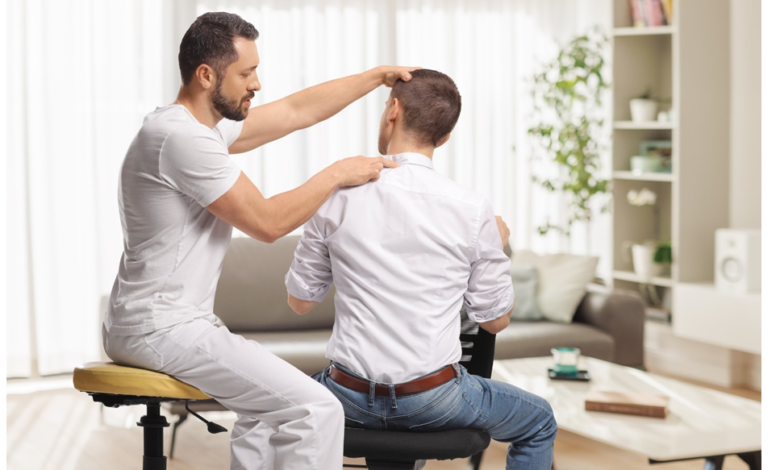
Back pain has become one of the most common health concerns among urban professionals. Long working hours, sedentary routines, and improper posture contribute significantly to discomfort and reduced mobility. Whether working at a desk, commuting for extended periods, or using digital devices frequently, modern lifestyles place continuous strain on the spine.
While occasional back pain may resolve with rest, persistent discomfort can affect productivity, sleep, and overall quality of life. Understanding how posture and daily habits influence spinal health is essential for preventing and managing back pain effectively.
Understanding Back Pain in Urban Lifestyles
Back pain can affect any part of the spine, including the lower back, middle back, and upper back. Among urban professionals, lower back pain is the most common due to prolonged sitting and lack of movement.
Common Causes of Back Pain
Several lifestyle-related factors contribute to back pain:
- Prolonged sitting
- Poor posture
- Lack of physical activity
- Stress and muscle tension
- Improper workstation setup
These factors can lead to muscle strain, spinal misalignment, and long-term discomfort if not addressed.
How Poor Posture Affects the Spine
Posture plays an important role in maintaining spinal health. Incorrect posture puts uneven pressure on the spine and surrounding muscles, leading to pain and stiffness.
Effects of Poor Posture
- Increased strain on back muscles
- Misalignment of the spine
- Reduced flexibility
- Chronic discomfort
Slouching, leaning forward, or sitting without proper support can gradually weaken the muscles that support the spine.
Lifestyle Factors That Contribute to Back Pain
Modern urban lifestyles usually involve habits that negatively impact spinal health.
1. Sedentary Behavior
Sitting for long hours reduces blood flow to muscles and weakens the core, which supports the spine. This increases the risk of back pain.
2. Excessive Screen Time
Looking at screens for extended periods can lead to forward head posture, which strains the neck and upper back.
3. Lack of Physical Activity
Without regular exercise, muscles become weak and less capable of supporting the spine, increasing the likelihood of pain.
4. Stress and Mental Health
Stress can cause muscle tension, particularly in the neck and shoulders, contributing to back discomfort.
Signs Your Back Pain Needs Attention
While mild back pain may improve with rest, certain symptoms indicate the need for medical evaluation.
Warning Signs
- Persistent pain lasting more than a few weeks
- Pain radiating to the legs
- Numbness or tingling
- Difficulty standing or walking
- Pain affecting sleep
Ignoring these symptoms can lead to more serious conditions over time.
In Ahmedabad, many professionals experiencing chronic back discomfort consider centers offering effective back pain treatment in Ahmedabad to receive proper evaluation and targeted care.
Importance of Ergonomics in the Workplace
A well-designed workspace can significantly reduce the risk of back pain.
Key Ergonomic Tips
- Use a chair with proper lumbar support
- Keep feet flat on the floor
- Position the computer screen at eye level
- Maintain a neutral spine position
- Take regular breaks to stretch
Proper ergonomics helps maintain spinal alignment and reduce strain during long working hours.
Exercises to Improve Posture and Reduce Back Pain
Regular physical activity strengthens muscles and supports spinal health.
Recommended Exercises
- Stretching exercises for flexibility
- Core strengthening workouts
- Yoga for posture improvement
- Walking or light aerobic activity
Even short exercise sessions can help reduce stiffness and improve mobility.
Daily Habits to Prevent Back Pain
Small lifestyle changes can have a significant impact on preventing back pain.
Healthy Habits
- Avoid sitting for long periods without breaks
- Maintain proper posture while working
- Stay physically active
- Lift objects using correct techniques
- Use supportive mattresses and pillows
Consistency in these habits helps maintain long-term spinal health.
When to Consult a Specialist
It is important to seek professional help if back pain persists or worsens.
Situations That Require Medical Attention
- Severe or continuous pain
- Pain after injury or accident
- Limited mobility
- Symptoms affecting daily activities
Early consultation helps diagnose the cause and prevent complications.
Treatment Options for Back Pain
Treatment depends on the severity and underlying cause of the condition.
Non-Surgical Treatments
- Physical therapy
- Pain management medications
- Lifestyle modifications
- Posture correction
Advanced Treatments
In some cases, advanced interventions may be required, including specialized therapies or minimally invasive procedures.
A healthcare professional can recommend the most suitable treatment based on individual needs.
Role of Work-Life Balance in Back Health
Maintaining a healthy balance between work and personal life is essential for overall well-being.
Benefits of a Balanced Lifestyle
- Reduced stress levels
- Improved physical health
- Better sleep quality
- Enhanced productivity
Incorporating relaxation and physical activity into daily routines supports both mental and physical health.
Frequently Asked Questions
What is the main cause of back pain in office workers?
Prolonged sitting, poor posture, and lack of physical activity are the most common causes of back pain among office workers.
Can posture correction reduce back pain?
Yes, maintaining proper posture can significantly reduce strain on the spine and help prevent back pain.
When should I see a doctor for back pain?
You should consult a doctor if pain persists, worsens, or is accompanied by symptoms like numbness or weakness.
Are exercises effective for back pain?
Yes, regular exercises that strengthen muscles and improve flexibility can help manage and prevent back pain.
Can stress cause back pain?
Yes, stress can lead to muscle tension, which may contribute to back discomfort.
Conclusion
Back pain is a common issue among urban professionals, largely influenced by posture and lifestyle habits. Recognizing the impact of daily routines on spinal health is essential for prevention and effective management.
By maintaining proper posture, staying active, and making ergonomic adjustments, individuals can reduce the risk of back pain and improve overall well-being. Early intervention and professional guidance, when needed, play a key role in ensuring long-term spinal health and a better quality of life.