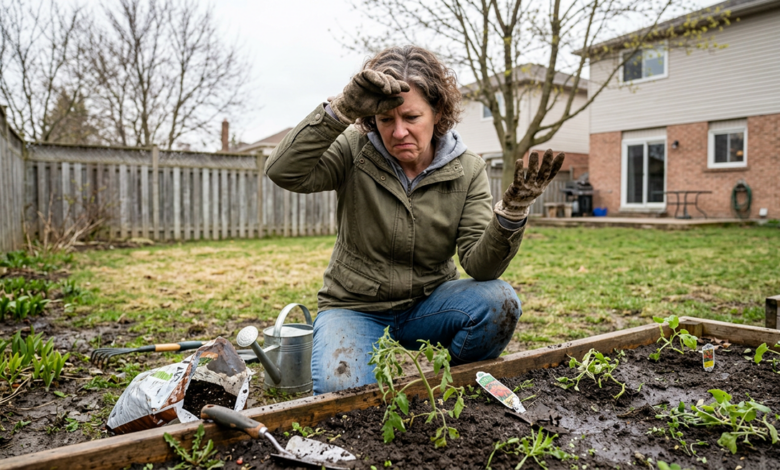
As the growing season draws to a close, many gardeners feel compelled to tidy everything up. Dead plants are cleared, tools come out of the shed, and vegetable beds are dug over in preparation for another year. It seems like a sensible routine, particularly when there’s an entire winter ahead for the soil to settle. But what if all that digging is actually doing more harm than good?
The truth is that preparing a garden or allotment for winter isn’t simply about turning over as much soil as possible. Sometimes cultivation is exactly what the ground needs. On other occasions, leaving it untouched can produce better results. Understanding the difference could save hours of unnecessary work and help create a healthier growing environment for the following spring.
Why Garden Soil Needs More Care Than You Think
It’s easy to think of soil as little more than the material that holds plants upright. In reality, it’s a complex living environment containing countless microorganisms, fungi, insects and earthworms. These organisms contribute to the breakdown of organic matter, the movement of nutrients and the development of a healthy soil structure.
When soil is repeatedly disturbed, some of these natural processes can be disrupted. Digging and rotavating may temporarily create a loose, attractive surface, but excessive cultivation can damage existing soil aggregates and leave the ground more vulnerable to erosion.
That doesn’t mean digging is necessarily bad. For gardeners dealing with heavily compacted ground, neglected plots or areas that haven’t been cultivated for years, loosening the soil can make an enormous difference. The important consideration is whether the work will genuinely improve growing conditions.
A well-established vegetable bed with good drainage and plenty of organic matter may need nothing more than a fresh layer of compost. Meanwhile, ground that has been compressed by repeated foot traffic could benefit from more substantial intervention. Knowing which situation applies is the first step towards making the right decision.
The Simple Test Every Gardener Should Try
Before reaching for a spade or starting a rotavator, there’s a surprisingly straightforward way to assess whether soil is ready to be worked. Take a handful of earth from several centimetres below the surface and squeeze it gently. If it forms a sticky lump that refuses to break apart, the ground is probably too wet. If the soil crumbles reasonably easily when handled, conditions are generally more suitable for cultivation. This matters because working waterlogged soil can cause lasting problems, particularly in gardens with a high clay content.
When machinery or garden tools compress wet ground, soil particles can become tightly packed together. This reduces the spaces through which air and water normally travel, potentially making drainage worse and restricting root development.
The results may not become obvious until spring, when seedlings struggle to establish themselves in ground that has become hard and compacted.
It’s also worth remembering that surface conditions can be misleading. A bed might appear reasonably dry after a few sunny days while remaining saturated underneath. Checking several areas and depths provides a more reliable picture than relying on appearance alone. Patience can sometimes be the most useful gardening tool available.
Autumn Can Be Ideal, But Timing Is Everything
For many gardeners, autumn provides a convenient opportunity to prepare growing areas. Summer vegetables have been harvested, weeds can be removed and there’s usually more space to carry out maintenance without disturbing established crops.
The soil may also retain some warmth from the summer months, while seasonal rainfall can make previously dry ground easier to work. However, British autumn weather is notoriously unpredictable, and prolonged periods of rain can quickly turn otherwise manageable soil into a difficult, muddy surface. The best approach is to respond to the actual conditions rather than follow a fixed calendar.
Where cultivation is necessary, a dry spell during autumn may provide a suitable opportunity. Breaking up compacted areas and dealing with troublesome weeds can make spring preparation considerably easier. However, freshly disturbed beds shouldn’t be left unnecessarily exposed to heavy rainfall and erosion.
Adding compost or other suitable organic material can help improve soil over time, although it isn’t always necessary to dig it deeply into the ground. In established beds, leaving organic matter on the surface allows earthworms and other soil organisms to gradually incorporate it.
Choosing the Right Equipment Makes a Difference
Anyone maintaining a substantial vegetable garden or allotment will know that cultivating soil manually can be exhausting. Turning over a large area with a spade demands considerable time and physical effort, particularly when the ground has become compacted.
Powered cultivators and rotavators offer an alternative, allowing gardeners to prepare growing areas more efficiently. However, choosing the right machine matters just as much as deciding when to use it. Smaller cultivators are generally more manageable in compact gardens and established vegetable beds. Larger machines are better suited to extensive plots or demanding ground conditions, although they require sufficient space and appropriate handling.
Garden machinery specialists such as Ron Smith offer a selection of tillers, cultivators and rotavators designed for different types of gardening work. Understanding the size of the area, the condition of the soil and how frequently the equipment will be needed can help gardeners select a suitable machine without paying for unnecessary power or capacity.
Whatever equipment is used, the objective should be to improve the ground rather than repeatedly churn it into an excessively fine texture. Overworked soil can lose some of its natural structure, making it more susceptible to crusting, compaction and erosion.
Five Things to Consider Before Cultivating
Before beginning any major soil preparation, it helps to work through a few practical considerations:
- Check moisture levels. Avoid cultivating soil that feels sticky, saturated or excessively wet beneath the surface.
- Identify persistent weeds. Plants such as bindweed and couch grass can spread when rotavators chop their underground stems or roots into smaller pieces.
- Consider the existing soil structure. Ground that already drains well and supports healthy plants may not need digging.
- Choose suitable equipment. Match the size and power of any cultivator to the conditions and area being worked.
- Protect exposed ground. Mulch, compost or suitable cover crops can help reduce erosion and protect soil during winter.
These relatively simple checks can prevent common mistakes that might otherwise take months to correct. They can also help gardeners avoid unnecessary work. Rather than treating cultivation as an automatic seasonal chore, it becomes a task carried out when there’s a clear reason to do it.
Could Doing Less Actually Produce a Better Garden?
The growing interest in no-dig gardening has encouraged more people to reconsider traditional soil preparation. Instead of digging beds over every year, this approach focuses on keeping the soil structure largely intact while adding organic matter to the surface.
It isn’t necessarily the best solution for every situation. New allotments, severely compacted plots and ground affected by persistent weeds may require a different approach before they become productive. Nevertheless, established beds can often be maintained successfully with relatively little disturbance.
For gardeners who have spent years digging their plots every autumn, the idea of leaving the soil alone might initially feel counterproductive. Yet a healthy garden doesn’t always require constant intervention, and allowing natural processes to work can be just as valuable as using tools and machinery. The key is learning to recognise when the ground needs assistance and when it’s already functioning effectively.
Give Your Garden the Best Possible Start
Successful gardening rarely depends on one dramatic burst of activity. It’s usually the result of smaller decisions made throughout the year, from choosing what to plant to understanding how soil responds to changing weather. Cultivation is simply one part of that process.
Working the ground at the right time can make planting easier, relieve certain forms of compaction and help prepare neglected areas for productive use. Doing the same work under unsuitable conditions, however, can create problems that last well into the following growing season.
As autumn gives way to winter, it’s worth remembering that a beautifully cultivated bed isn’t necessarily a healthier one. Sometimes the best preparation for next year’s harvest involves nothing more than removing unwanted growth, adding some compost and letting the soil recover naturally. A little observation, sensible timing and a willingness to leave well enough alone could prove more valuable than another weekend spent digging.