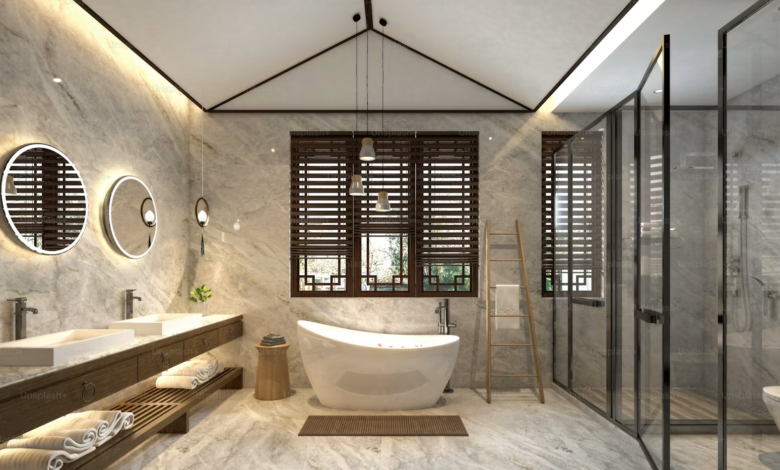
It is surprisingly easy to spend a lot of money on a bathroom renovation without ending up with a room that feels much better to use. A beautiful tile installation, designer faucets, and an elaborate bathtub can certainly make an impression. Still, they do not necessarily solve the problems that made the bathroom frustrating in the first place.
Think about a bathroom with an expensive freestanding tub but barely enough room to move around it. Or one with beautiful finishes and nowhere to put everyday toiletries. The renovation may have cost a small fortune, yet some of the simplest things are still missing.
This happens when the budget is driven more by appearances than by the room’s needs. A good renovation should make the bathroom look better, of course, but it should also address the little inconveniences you deal with every day. Knowing where to spend and where to hold back can make a considerable difference to the finished result.
1. Look at the Problems Before Planning the Upgrades
Before browsing bathroom fixtures or saving renovation inspiration, spend some time using the existing bathroom. Notice what gets in the way. Perhaps two people are constantly competing for counter space. Maybe the shower door makes it difficult to enter, or the lighting leaves the mirror area in shadow. These are the kinds of details that should influence the renovation plan.
It is tempting to start with the exciting parts: choosing tiles, comparing faucets, or deciding whether a rainfall shower would look good. But a bathroom that already has poor ventilation, damaged flooring, or insufficient storage needs more than a cosmetic update.
Make a list of what needs repairing, what would make the room easier to use, and what you would simply like to change. Seeing these priorities separately makes it easier to allocate the budget. It also helps prevent a familiar renovation problem: spending heavily on visible finishes only to discover there isn’t enough money left for necessary repairs.
A little planning at this stage can save quite a bit of frustration later.
2. Choose a Vanity That Earns Its Space
The vanity is worth paying attention to because it does several jobs at once. It holds the sink, provides counter space, stores everyday essentials, and takes up a substantial portion of the bathroom. When it is poorly chosen, the shortcomings tend to show up quickly.
A cabinet with shallow drawers might look attractive but leave very little room for toiletries. A unit that is too wide can make an already small bathroom feel cramped. And an outdated finish can make the entire room look older, even when the rest of the fixtures are in reasonably good condition.
Replacing the vanity can therefore be one of the more noticeable bathroom upgrades, particularly when the existing one no longer suits the space. Homeowners considering different options can explore Ariel Bath’s bathroom vanity collections, which include different styles, sizes, and storage configurations for a range of bathroom layouts.
The showroom appearance is only part of the decision. Think about what will actually go inside the drawers, how much counter space is needed, and whether there is enough clearance for cabinet doors. A compact vanity with a sensible layout may be a better purchase than a much larger, more elaborate model.
There is also no need to spend extra simply because a particular design looks luxurious. The construction, materials, hardware, and suitability of the unit matter far more than how impressive its price tag sounds.
3. Pay More Attention to the Things You Use Every Day
Some renovation choices reveal their quality almost immediately. A faucet that is difficult to operate, a shower with inconsistent water pressure, or a drawer that sticks every morning can become irritating surprisingly quickly.
These are the components where reliability deserves more attention than appearance alone. That does not mean buying the most expensive products available. A well-made midrange fixture can be perfectly adequate, provided it suits the bathroom and comes from a dependable manufacturer.
Waterproofing and plumbing deserve particular care. They are not the most exciting parts of a renovation because much of the work disappears behind walls, floors, and finished surfaces. Yet a poorly installed shower or an inadequately waterproofed floor can lead to repairs that cost considerably more than the original savings.
The same goes for electrical work and ventilation. These are areas where proper installation should take priority over finding the cheapest available contractor.
It may be tempting to put most of the budget toward things guests will notice, but the parts that keep the bathroom working properly deserve just as much attention.
4. Be Selective With Luxury Features
There is nothing wrong with wanting a bathroom that feels a little indulgent. A freestanding bathtub, rainfall shower, heated floor, or illuminated mirror can make the room more enjoyable. The question is whether the feature suits the space and whether it will actually be used.
A freestanding tub, for example, can be a beautiful addition to a spacious primary bathroom. In a smaller room, it may take up valuable floor area and make cleaning more difficult. A rainfall shower can create a pleasant experience, but its performance will depend partly on the home’s water pressure and plumbing.
Climate and household habits matter too. Heated flooring may be a welcome addition in a cold climate, while homeowners in warmer regions may find other upgrades more useful. Smart mirrors and touchless faucets offer convenience, although some households may not use their additional features often enough to justify the expense.
The point is not to avoid luxury. If a particular feature is something you have wanted for years and the budget allows for it, there is a good reason to include it. Problems arise when expensive additions take priority over more pressing needs simply because they look impressive.
A bathroom should reflect the people who use it. What feels like an unnecessary indulgence to one household may be a genuinely worthwhile improvement for another.
5. Save on Finishes That Don’t Need a Premium Price
A renovation budget can disappear quickly when every material is chosen from the highest price range. Imported tiles, designer accessories, and specialty finishes may be appealing, but they are not automatically better suited to the room.
There are plenty of ways to achieve an attractive result without choosing the most expensive option. A reasonably priced tile, for instance, can look excellent when its color, texture, and scale work with the rest of the bathroom. Mirrors and cabinet hardware are also areas where homeowners can find appealing alternatives without spending excessively.
Keeping existing elements is another possibility. If the plumbing is in good condition and the layout already works, moving fixtures around may add labor and installation costs without significantly improving the room. Likewise, sound tiles do not necessarily need to be removed just because the homeowner wants a different look.
Of course, keeping an existing feature only makes sense when it is genuinely in good condition. Covering damaged surfaces or ignoring moisture problems is likely to create more expense later.
The better approach is to be selective. Spend on the things that affect performance and longevity, then look for reasonable alternatives when choosing decorative finishes.
6. Think About Maintenance Before Buying
A product can look wonderful in a showroom and become considerably less appealing after a few months of everyday use. Some surfaces show water spots easily. Certain finishes need more frequent cleaning, while others may require special products to maintain their appearance.
This is particularly relevant in bathrooms, where moisture and regular cleaning are unavoidable.
Before choosing a countertop, cabinet finish, or shower surface, find out what maintaining it actually involves. A material that requires frequent sealing may not suit a busy household. A delicate finish might be frustrating in a bathroom used by several family members. It is also worth checking whether replacement parts are readily available for fixtures and hardware.
The purchase price tells only part of the story. A slightly more expensive product that lasts longer and requires less maintenance may be the more economical choice over time.
Think about how long you intend to keep the renovation, too. Someone planning to stay in the property for many years may be willing to invest in features that improve everyday comfort. A homeowner preparing to sell soon may have different priorities.
The best choices make sense not only on installation day but throughout the years that follow.
Spend Wisely, Not Just Generously
A bathroom renovation does not become successful simply because the budget is large. Some of the most worthwhile changes are relatively straightforward: replacing a poorly designed vanity, improving the lighting, adding practical storage, or addressing a problem ignored for too long.
There will always be more expensive fixtures and finishes to choose from. The challenge is deciding which ones genuinely deserve the extra cost. A beautiful bathroom should be comfortable to use, manageable to maintain, and suited to the people who live in the home.
In the end, the best renovation is not necessarily the one with the longest list of upgrades. It is the one where the money has been spent thoughtfully, and where the improvements still feel worthwhile long after the work is finished.