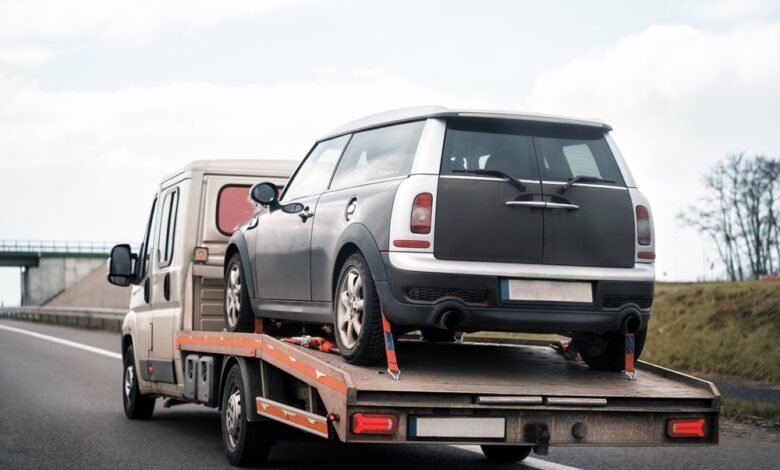
For most drivers, a police vehicle seizure is something you never expect—until it happens. One moment you’re driving normally, and the next, your vehicle is being loaded onto a recovery truck. It feels sudden, confusing, and often stressful. But behind that moment is a clear legal process that many people don’t fully understand.
This guide breaks down how police pound situations work in the UK, why vehicles are seized, and what you actually need to do next.
Why Vehicles Get Seized in the First Place
In the UK, the most common reason a vehicle is taken to a police pound is under Section 165A of the Road Traffic Act 1988. This law allows police to seize a vehicle if they believe:
- It is being driven without valid insurance
- The driver does not have a valid driving licence
- There are inconsistencies between records and what the driver claims
This isn’t necessarily about punishment. The law is designed as a preventative measure—to remove potentially unsafe or non-compliant vehicles from the road immediately.
Other reasons for impoundment can include:
- The vehicle being stolen and recovered
- Dangerous or anti-social driving
- Illegal parking or abandonment
The Moment of Seizure: What It Feels Like
Drivers often describe the experience as abrupt. Police rely on systems like the Motor Insurance Database and DVLA records to make quick decisions. Even small mismatches—like outdated insurance details—can lead to a seizure.
Once the decision is made:
- You’ll receive a seizure notice (Form 3708 or similar)
- The vehicle is removed to a designated police compound
- Responsibility shifts to you to resolve the issue quickly
The Clock Starts Immediately
One of the most important things to understand is timing.
- You typically have 7 working days to begin the recovery process
- After around 14 days, the vehicle may be disposed of if not claimed
Meanwhile, storage charges continue to build daily. This is why delays can quickly become expensive.
What You Need to Get Your Car Back
Recovering a vehicle isn’t just about showing up—it’s about proving compliance.
You’ll usually need:
- Proof of identity (passport or driving licence)
- Proof of ownership (V5C logbook)
- A valid driving licence
- Valid insurance covering the vehicle
Without all of these, the vehicle will not be released.
In most cases, you must:
- Visit a police station with your documents
- Receive a release notice
- Take that notice to the pound and pay the required fees
Can Someone Else Collect the Vehicle?
Yes—but only under specific circumstances.
If the owner cannot attend (for example, due to illness or being abroad), a third party may collect the vehicle. However, they must provide:
- A signed letter of authority
- Copies of the owner’s ID
- Their own valid licence and insurance
Police and pound staff will still verify everything carefully before releasing the vehicle.
Why People Lose Their Vehicles Permanently
It’s more common than people think. The main reasons include:
- Missing the 7-day reclaim window
- Not having valid insurance in place
- Failing to provide correct documents
- Ignoring accumulating storage fees
If the vehicle isn’t reclaimed in time, it may be sold or scrapped to recover costs.
The Hidden Impact of Impoundment
Beyond the inconvenience, impoundment can have longer-term consequences:
- Financial strain from recovery and storage charges
- Increased insurance premiums
- Legal penalties such as fines or points
Even when the issue is administrative, the outcome can still be significant.
Navigating the Process Efficiently
Understanding the process makes a big difference. Acting quickly, organising documents in advance, and knowing where your vehicle is held can save both time and money.
For example, if your vehicle is held at locations such as Perivale / Charlton Police Pound, knowing the correct procedure beforehand can help you avoid unnecessary delays and additional charges.
Final Thoughts
Vehicle impoundment isn’t just a legal process—it’s a situation that tests how quickly and efficiently you can respond. While the system may feel strict, it follows a structured framework designed to ensure road safety and compliance.
The key takeaway is simple:
The faster you understand the process, gather your documents, and act, the smoother the recovery becomes.