Traditional Craftsmanship in Modern Sleep Science: The Anatomy of a Hypnos Mattress

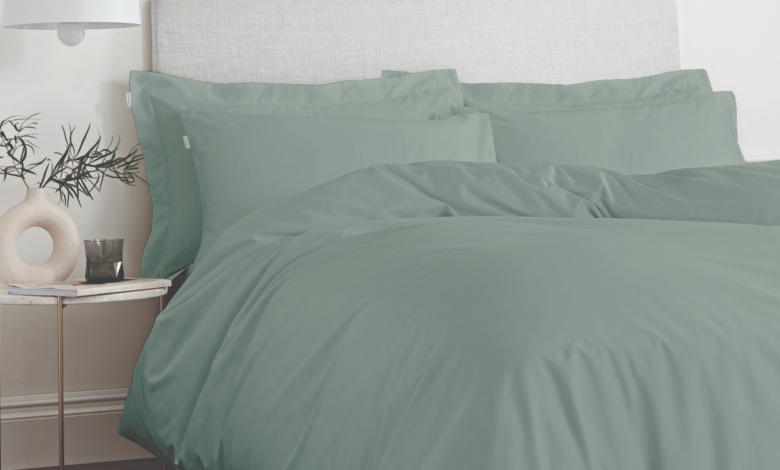
In an era dominated by mass-produced, foam-in-a-box solutions, the persistence of traditional bed-making is nothing short of extraordinary. True sleep science is not merely about finding a synthetic material that contours to the body; it is about the structural integrity and the deliberate selection of natural materials that breathe and support. A hypnos mattress represents the pinnacle of this intersection between centuries-old artisan skills and modern ergonomic research.
By marrying the ancestral techniques of master bed-makers with advanced pocket spring technology, these beds offer a unique proposition: a sleep surface that is as responsive as it is sustainable. Understanding the anatomy of such a mattress requires looking beneath the fabric, where every stitch and spring serves a specific physiological purpose. These beds are not just furniture; they are meticulously engineered environments designed to optimize spinal alignment, regulate temperature, and provide a depth of comfort that synthetic alternatives often struggle to replicate. As we peel back the layers of a premium handcrafted bed, we discover why the fusion of heritage and science remains the gold standard for those who view sleep as an essential pillar of health and restoration.
The Science of Pocket Spring Technology
At the heart of every high-end mattress lies the support core, and for these master craftsmen, the pocket spring system is the only viable choice for achieving precise, individualized support. Unlike interconnected coil systems that cause sleepers to roll toward each other, individually wrapped pocket springs react independently to the weight and movement of the sleeper.
This ensures that every contour of your body is cradled without compromising the stability of the entire bed. Modern advancements have refined this process significantly; for instance, many beds now utilize multi-turn springs that offer progressive resistance. This means the spring provides a soft initial sensation upon lying down, but becomes increasingly firm as more pressure is applied, offering deep-down support that prevents the spine from dipping. This mechanical precision is a cornerstone of modern sleep science, ensuring that motion transfer is virtually eliminated, which is particularly vital for couples seeking undisturbed rest throughout the night.
Natural Fillings and Climate Regulation
While the spring core provides support, the comfort layers—often overlooked in mass-market beds—are where the true magic of traditional craftsmanship resides. By utilizing natural, sustainable materials like British wool, cotton, silk, and cashmere, these mattresses achieve a level of breathability that synthetic foams simply cannot match. Natural fibers possess inherent moisture-wicking properties, allowing the mattress to actively manage your body temperature. As you sleep, these materials draw moisture away from the surface, preventing the “stuffy” feeling often associated with synthetic beds.
This climate control is critical for deep sleep cycles, as the body requires a consistent, cool environment to maintain REM sleep. Beyond thermoregulation, these layers provide an organic, luxurious softness that adapts naturally to the body’s movements. This commitment to using traceable, high-quality organic fills underscores a philosophy where the health of the sleeper and the sustainability of the planet are treated with equal importance.
The Art of Hand Side-Stitching and Tufting
The structural longevity of a mattress is often determined by the final details, which is why the manual labor involved in side-stitching and hand-tufting remains irreplaceable. Side-stitching is the process of sewing the mattress border to the outer rows of springs. This labor-intensive task creates a firm, supportive edge that prevents the sleeper from feeling as though they might roll off the bed, effectively increasing the usable surface area. Meanwhile, hand-tufting involves passing long needles through the entire depth of the mattress, securing the layers of upholstery to the spring core.
This prevents the internal fillings from shifting or bunching over time, which is the primary cause of lumpy, sagging mattresses. While automated factories often use glue or plastic fasteners, hand-tufting ensures the integrity of the bed remains uncompromised for years. It is this dedication to “the slow way” that transforms a collection of materials into a lasting sleep sanctuary.
Final Thoughts
Choosing a mattress is one of the most significant investments you can make in your long-term physical and mental health. By opting for a product rooted in traditional craftsmanship, you are prioritizing quality, durability, and a scientifically sound approach to support. The beauty of these handcrafted beds lies in their ability to provide an bespoke experience that adapts to your body’s specific needs, night after night. Whether it is the precision of the pocket spring system, the breathability of natural wool fills, or the structural resilience provided by hand side-stitching, every element is designed to facilitate the deepest levels of restorative sleep.
As we move away from disposable consumer culture, the enduring value of a well-made, sustainable mattress becomes even more apparent. Investing in such a piece is more than just a purchase; it is a commitment to your well-being, ensuring that you wake up energized and ready to meet the challenges of each new day.
Frequently Asked Questions (FAQs)
1. Why is hand side-stitching important for a mattress?
Hand side-stitching connects the mattress border directly to the spring unit. This creates a highly reinforced edge, preventing the sides from sagging and allowing you to use the full width of the mattress without feeling like you will roll off.
2. Are natural fillings better than memory foam?
For many, yes. Natural fillings like wool and cotton are significantly more breathable, helping to regulate body temperature and wick away moisture. Unlike memory foam, which can trap heat, natural materials provide a cooler, more comfortable sleep environment.
3. What is the benefit of a pocket spring system?
Pocket springs act independently of one another. This allows the mattress to contour precisely to your body shape and weight, providing targeted spinal support and excellent motion isolation, which is ideal for couples.
4. Why do traditional mattresses require turning?
Turnable mattresses are upholstered on both sides. Turning and rotating them seasonally allows the natural fillings to settle evenly and prevents body impressions from forming in one specific spot, which significantly extends the lifespan of the mattress.
5. How long should a high-quality handcrafted mattress last?
Because they are built using superior materials and traditional methods like hand-tufting and side-stitching, these mattresses are designed for long-term use. With proper care and regular rotation, they can provide exceptional support and comfort for 10 years or more.