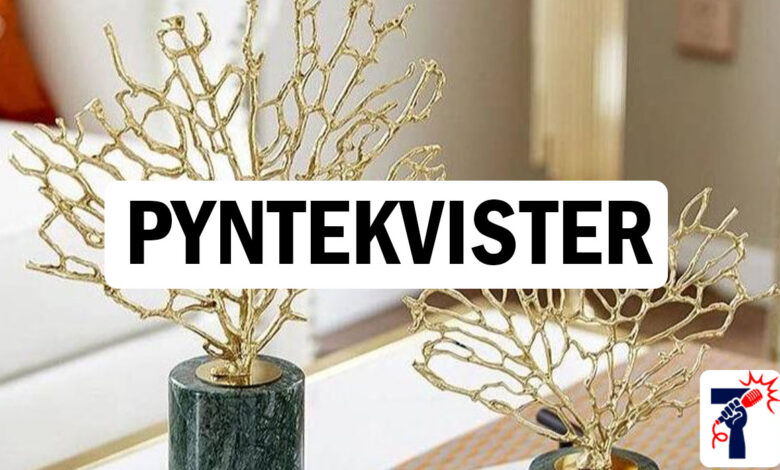
Pyntekvister are decorative branches used to add natural beauty to your home. The word comes from Norwegian, where “pynte” means to decorate and “kvister” means branches or twigs. This simple but powerful decor idea has been a big part of Scandinavian interior design for many years. Today, people all over the world use pyntekvister to bring a calm, natural feeling into their living spaces. The best part is that they are easy to use, low-cost, and work well in almost any style of home.
Quick Info Table
| Topic | Details |
|---|---|
| Name | Pyntekvister (Decorative Branches) |
| Origin | Scandinavian home decor tradition |
| Common Materials | Birch, willow, cherry blossom, eucalyptus, dried cotton branches |
| Best Used In | Living rooms, hallways, dining areas, bedrooms |
| Popular Seasons | All year round, especially autumn and winter |
| Typical Vase Types | Tall glass vases, ceramic pots, wooden buckets |
| Price Range | Free (from nature) to $30+ (store-bought) |
| Skill Level Needed | Beginner-friendly |
| Style Match | Scandinavian, boho, minimalist, rustic, modern |
| Eco-Friendly | Yes, fully natural and biodegradable |
What Are Pyntekvister?
Pyntekvister are natural or dried branches that people place in vases or pots as a form of home decoration. They can come from many types of trees and plants, such as birch, willow, eucalyptus, or cherry blossom trees. Some people collect them from nature, while others buy them from flower shops or home decor stores.
These branches are not just beautiful. They also bring a sense of peace and connection to nature inside your home. In Scandinavian culture, bringing natural elements indoors is a key part of creating a cozy and welcoming atmosphere, a feeling often called “hygge” in Danish and Norwegian.
Popular Types of Decorative Branches
There are many types of branches you can use as pyntekvister. Each one has its own look and feel. Birch branches are very popular because of their white bark and clean lines. They look great in both modern and rustic homes. Willow branches have a soft, flowing shape that adds a gentle touch to any room.
Dried cotton branches are a lovely choice for autumn and winter decor. They have small, fluffy white tops that look soft and cozy. Eucalyptus branches are another great option because they smell wonderful and stay fresh-looking for a long time. Cherry blossom branches, either real or artificial, bring a romantic and fresh feeling to a space, especially in spring.
How to Choose the Right Branches for Your Home
Choosing the right pyntekvister depends on your home style and personal taste. If you have a minimalist or Scandinavian-style home, go for simple branches like birch or bare willow. They have clean shapes that do not feel too busy. For a more bohemian or rustic look, try dried branches with seed pods, cotton tops, or interesting textures.
Think about the size of your space too. Tall branches in a large floor vase can become a strong visual point in a big room. Smaller branches in a simple pot work better on a shelf or table. Always try to match the color of your branches with the rest of your room for a more put-together look.
How to Style Pyntekvister in Your Home
Styling pyntekvister is simple and fun. Start with a good vase or container. Tall glass vases, ceramic pots, and even wooden buckets all work well. Fill the bottom with a little water if you are using fresh branches, or leave it dry for dried ones. Place two to five branches inside at different heights to create a natural, relaxed look.
You can also decorate your branches for different seasons. In winter, hang small fairy lights or paper stars on bare birch branches for a festive feel. In spring, add a few artificial flowers or ribbons. In autumn, place dried orange or red leaves around the branches for a warm, seasonal touch. This makes pyntekvister a decor item you can enjoy all year long.
Where to Place Decorative Branches in Your Home
The best places to use pyntekvister are spots where people spend a lot of time or where guests first walk in. A tall vase with branches in the corner of a living room creates a calm, natural focal point. Branches on a dining table add a simple and elegant centerpiece without taking up too much space.
Hallways and entryways are also great spots. A small pot with dried branches near the front door gives guests a warm welcome. Bedrooms benefit from soft, gentle branches like eucalyptus or dried lavender, which also add a calming scent. Avoid placing branches in very narrow spaces where they can easily be knocked over.
How to Care for Your Pyntekvister
Fresh branches need a little care to stay looking good. Change the water every two to three days and cut a small piece off the bottom of each branch to help them absorb water better. Keep them away from direct sunlight and heat sources, as this can make them dry out too quickly.
Dried branches need almost no care at all. Just dust them gently from time to time to keep them looking clean. If they start to look worn or faded, it is easy and cheap to simply replace them with new ones from nature or a store. This makes pyntekvister one of the most low-maintenance decor choices you can make.
Where to Find Pyntekvister
You can find pyntekvister in many places. The easiest and most budget-friendly option is to collect branches from your garden or a nearby park. Always make sure you have permission to pick branches in public spaces and only take what you need without harming the plant.
Flower shops and garden centers often sell beautiful seasonal branches. Home decor stores and online shops like Etsy also offer a wide range of dried and preserved branches in many styles and sizes. If you want a longer-lasting option, look for high-quality artificial branches made from silk or plastic, which can look very realistic and last for years.
Conclusion
Pyntekvister are a simple, affordable, and beautiful way to bring nature into your home. Whether you pick them from your garden or buy them from a shop, decorative branches add warmth, texture, and a natural feel to any room. They are easy to style, easy to care for, and work in almost every type of home decor. If you have never tried using pyntekvister before, now is a great time to start.
Frequently Asked Questions (FAQs)
1. What does “Pyntekvister” mean?
Pyntekvister is a Norwegian word that means decorative branches or twigs. It refers to branches used for home decoration.
2. Can I use any type of branch as pyntekvister?
Yes, most branches work well. Popular choices include birch, willow, eucalyptus, and dried cotton branches. Choose based on your style and the season.
3. How long do fresh pyntekvister last?
Fresh branches can last one to three weeks if you change the water regularly and keep them away from direct heat and sunlight.
4. Are pyntekvister safe for homes with pets or children?
Most natural branches are safe, but some plants can be toxic to pets. Always check if a specific plant is pet-safe before bringing it indoors.
5. Can I make pyntekvister at home without buying anything?
Yes. You can collect branches from your garden or a local park for free. A simple pot or jar from your kitchen works perfectly as a vase.
See more amazing Information visit Fact News