OCD and Skin Picking: Understanding Causes, Treatment Options, and Recovery Strategies

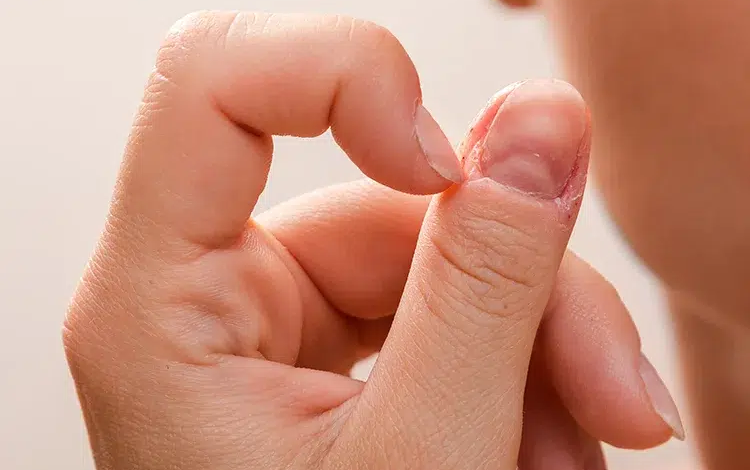
You may already suspect a link between obsessive thoughts and the urge to pick, and that connection matters because it changes how you approach treatment. OCD-related skin picking often functions as a compulsion: it reduces anxiety briefly but strengthens the cycle of obsession, distress, and repeated picking, so addressing both the thoughts and the behavior gives you the best chance to stop the cycle.
This article OCD and Skin Picking will help you recognize when skin picking fits with OCD, what clinicians look for when diagnosing it, and practical treatment options that target both the mental and physical aspects of the problem. You’ll get clear, evidence-based steps to talk about with a clinician or try in daily life so you can move from confusion and shame toward control and recovery.
Understanding the Relationship Between OCD and Skin Picking
You will learn how obsessive thoughts and repetitive behaviors differ, what dermatillomania specifically involves, and the ways OCD symptoms can trigger or mimic skin picking. These points clarify diagnosis and guide treatment choices.
Defining Obsessive-Compulsive Disorder
Obsessive-Compulsive Disorder (OCD) involves persistent intrusive thoughts (obsessions) and repetitive actions (compulsions) that you feel driven to perform to reduce distress. Obsessions often center on contamination, symmetry, harm, or taboo thoughts; compulsions aim to neutralize those fears through checking, washing, counting, or mental rituals.
Symptoms must be time-consuming or cause significant distress or impairment to meet diagnostic criteria. You may recognize a pattern: a thought rises, anxiety increases, you perform a ritual and feel brief relief. That relief reinforces the cycle, making behaviors harder to stop without targeted treatment like CBT with exposure and response prevention (ERP) or medication.
What Is Dermatillomania?
Dermatillomania, or Excoriation (skin-picking) Disorder, is a body-focused repetitive behavior (BFRB) where you repeatedly pick skin causing damage and distress. Picking can target perceived imperfections (scabs, bumps, texture) or happen without clear visual triggers, and it often produces temporary relief or satisfaction.
Diagnosis requires repeated skin picking leading to lesions, attempts to stop, and clinically significant distress or impairment. Triggers include anxiety, boredom, or the urge to “fix” skin. Treatments include habit-reversal training (HRT), cognitive strategies, and sometimes medication; dermatologists and mental health clinicians often collaborate when wounds or infections occur.
How OCD Symptoms Influence Skin Picking
OCD-related skin picking typically links to a specific obsession—fear of contamination, a need for symmetry, or intrusive thoughts about appearance—that drives repetitive picking as a compulsion. For example, if you fear contamination, you might pick at perceived dirt until it “feels clean.” That behavior reduces anxiety temporarily but strengthens the OCD cycle.
Not all skin picking stems from OCD: with dermatillomania the picking itself is the core problem rather than a response to a distinct obsessive fear. However, genetic and neurobiological overlap exists: both conditions can share compulsivity, sensory urges, and momentary relief after performing the behavior. Proper assessment distinguishes whether picking functions as an OCD compulsion or as a BFRB, which affects treatment choice (ERP for OCD-driven picking; HRT and stimulus control for dermatillomania).
Diagnosis and Treatment Options
You will learn how clinicians identify skin-picking related to OCD, the evidence-based therapies and medications commonly used, and practical skills you can apply daily to reduce picking and manage urges.
Recognizing Symptoms in Daily Life
You or a clinician will look for repeated skin picking that causes tissue damage, distress, or impairment in work, school, or relationships. Note where you pick, how long episodes last, triggers (boredom, stress, perceived blemishes), and any rituals before or after picking.
Track frequency and severity for at least two weeks. Use a simple log: date, time, trigger, minutes spent, and outcome (bleeding, scab, relief). Bring photos of affected areas and your log to appointments; clinicians use these to distinguish excoriation disorder from acne, dermatologic conditions, or tics.
Assessment often includes screening for obsessive thoughts, anxiety, depression, or OCD. A mental health professional may apply DSM-5/ICD criteria and ask about loss of control, attempts to stop, and functional impact to make an accurate diagnosis.
Psychotherapy Approaches
Habit Reversal Training (HRT) and Cognitive Behavioral Therapy (CBT) are first-line psychotherapies. HRT teaches recognition of pre-picking signals, competing responses (e.g., clenching fists or squeezing a stress ball), and stimulus control to reduce opportunities to pick.
CBT addresses distorted beliefs about perceived skin flaws and reduces anxiety that drives picking. Exposure and Response Prevention (ERP) can be used when picking relates to OCD-type compulsions; it gradually exposes you to triggers without allowing the picking response.
Therapy often includes skills training (stress management, mindfulness, and relapse prevention). Plan for weekly sessions initially and measurable goals (reduce episodes by X% in Y weeks). Consider a therapist who has experience with body-focused repetitive behaviors.
Medication Strategies
Selective serotonin reuptake inhibitors (SSRIs) are commonly prescribed when picking co-occurs with OCD, anxiety, or depression. Fluoxetine, sertraline, and escitalopram are among agents clinicians may try; expect 8–12 weeks to assess benefit at a therapeutic dose.
For treatment-resistant cases or when SSRIs provide partial relief, glutamate-modulating agents (e.g., n-acetylcysteine in some trials, or other medications used off-label) may be considered under psychiatric supervision. Medication choice depends on side-effect profile, medical history, and pregnancy status.
Combine medication with psychotherapy for best outcomes. Monitor response with standardized scales and safety checks, and adjust dose or switch drugs if you show no improvement after an adequate trial.
Self-Management and Coping Skills
Create a structured environment to reduce picking triggers: keep mirrors covered, wear gloves or adhesive bandages over high-risk areas, and replace idle hand-to-skin time with concrete alternatives (squeezing a fidget device, crafting, or tactile toys).
Practice short daily routines: 5–10 minutes of mindfulness focusing on bodily sensations, scheduled skin-care with barrier creams, and night-time routines that reduce anxiety and skin access. Use habit logs and reward small wins to reinforce progress.
Build a support plan: tell a trusted person about your goals, set reminders on your phone, and prepare coping scripts for urges (“I will wait 10 minutes and then check”). Seek dermatologic care for wounds and infection prevention to avoid medical complications.