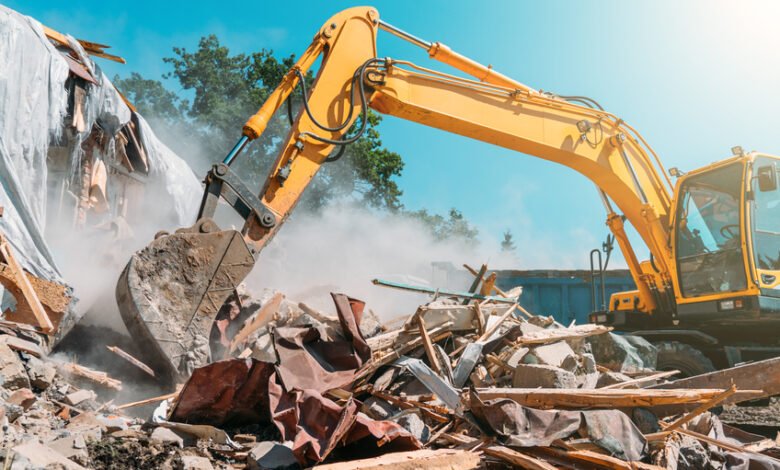
Sustainable construction has become a priority across the industry as contractors, developers, and property owners look for ways to reduce environmental impact while maintaining efficiency and cost control. Energy-efficient materials, smart design, and responsible sourcing often receive the most attention, but waste removal is an equally important part of the sustainability conversation.
Construction projects generate significant amounts of debris, and how that debris is handled affects both environmental outcomes and operational efficiency. When waste is managed thoughtfully, it supports cleaner job sites, more organized workflows, and better alignment with sustainability goals. When it is overlooked, materials may be mixed, mishandled, or disposed of inefficiently.
For contractors, understanding how waste removal fits into sustainable construction practices helps create projects that are both efficient and environmentally responsible.
The Role of Waste in Construction Sustainability
Every phase of construction produces waste, from initial demolition to final cleanup. Materials such as wood, drywall, packaging, and excess supplies are all part of the process. While some level of waste is unavoidable, how it is handled determines its overall impact.
Sustainable construction focuses on reducing unnecessary waste and managing unavoidable debris in a more structured way. This includes planning how materials are used, how excess is handled, and how debris is removed from the job site.
By treating waste as a managed resource rather than an afterthought, contractors can improve both efficiency and sustainability outcomes.
A well-organized waste strategy supports cleaner projects and more predictable operations.
Planning Waste Removal Early in the Project
One of the most effective ways to support sustainable construction is to plan waste removal before work begins. Early planning allows contractors to estimate debris volume, identify material types, and coordinate disposal strategies that align with project goals.
Waiting until debris accumulates often leads to mixed waste streams and less efficient handling.
When waste removal is planned in advance, contractors can:
- Establish clear disposal processes
- Coordinate container placement and timing
- Align waste handling with project phases
This proactive approach reduces confusion on-site and helps maintain consistent waste management practices throughout the project.
Planning early creates a stronger foundation for sustainability.
Keeping Materials Organized on the Job Site
Organization plays a key role in sustainable waste handling. When materials are mixed together without a clear system, it becomes more difficult to manage them effectively.
Construction sites that maintain organized disposal practices tend to operate more efficiently. Workers know where to place debris, and materials are handled in a more consistent way.
Keeping waste organized also helps prevent unnecessary handling, which can slow down workflow and increase labor.
Clear disposal areas and consistent practices improve both efficiency and environmental outcomes.
An organized site supports better decision-making throughout the project.
Reducing Unnecessary Material Waste
Sustainability in construction is not only about how waste is removed, but also about how much waste is generated in the first place. Efficient material use helps reduce the overall volume of debris that needs to be managed.
Contractors can reduce waste by:
- Ordering materials more accurately
- Minimizing offcuts and excess
- Protecting materials from damage
- Coordinating deliveries to match project phases
These practices reduce the amount of waste generated and improve overall project efficiency.
Less waste means fewer disposal needs and a more streamlined workflow.
Reducing waste at the source is one of the most effective sustainability strategies.
Continuous Debris Removal Improves Efficiency
Allowing debris to accumulate on-site can create clutter and reduce productivity. In sustainable construction, continuous waste removal helps maintain a clean and organized environment.
Removing debris regularly:
- Keeps work areas clear
- Reduces safety risks
- Prevents materials from being mixed unintentionally
A clean job site allows crews to work more efficiently and supports consistent progress.
Continuous removal also helps contractors monitor waste more effectively and adjust their approach if needed.
Maintaining steady cleanup contributes to both operational efficiency and sustainability.
Coordinating with Waste Removal Providers
Working with experienced waste removal providers is an important part of sustainable construction. These providers help contractors manage debris efficiently and align waste handling with project needs.
Contractors often coordinate services through providers such as Waste Removal USA to ensure that waste removal is handled consistently and effectively.
Providers can assist with container selection, placement, and scheduling, helping contractors maintain organized waste practices throughout the project.
Strong coordination supports smoother operations and better waste management outcomes.
Reliable service helps keep sustainability efforts on track.
Managing Different Types of Construction Debris
Construction projects generate a variety of materials, each with its own handling considerations. Managing these materials effectively helps support sustainability goals.
Common types of debris include wood, drywall, packaging, and general construction waste. Each material contributes differently to the overall waste stream.
Understanding the types of materials being generated allows contractors to plan disposal strategies that are more organized and efficient.
Keeping materials grouped and handled consistently helps maintain better control over waste.
Effective management of different debris types supports cleaner and more efficient job sites.
Improving Job Site Safety Through Waste Management
Sustainable construction practices also contribute to safer job sites. Debris that is not removed regularly can create hazards that affect both workers and equipment.
Keeping the site clean and organized helps reduce risks such as trips, falls, and obstructions.
A safer work environment allows crews to operate more efficiently and reduces the likelihood of delays caused by accidents.
Safety and sustainability often go hand in hand, as both rely on maintaining an organized and controlled work environment.
Proper waste handling supports both objectives.
Aligning Waste Removal with Project Phases
Construction projects move through multiple phases, each generating different types and amounts of waste. Aligning waste removal with these phases helps maintain efficiency and consistency.
For example, demolition phases produce large volumes of debris, while finishing phases generate smaller amounts of waste.
Adjusting waste removal practices to match these phases ensures that disposal capacity is always aligned with project needs.
This approach prevents buildup and keeps the job site organized throughout the project.
Phase-based planning supports smoother workflows and better waste management.
Avoiding Common Waste Management Challenges
Contractors may encounter challenges when waste removal is not planned effectively. These issues can affect both efficiency and sustainability.
Common challenges include underestimating debris volume, allowing materials to accumulate, and failing to coordinate waste removal with project timelines.
Addressing these challenges requires a proactive approach and attention to detail.
By planning ahead and maintaining consistent practices, contractors can avoid disruptions and improve overall project performance.
Effective waste management reduces unnecessary complications.
Supporting Long-Term Sustainability Goals
Sustainable construction is not limited to a single project. Contractors who adopt consistent waste management practices can apply these strategies across multiple projects, improving efficiency over time.
Developing a structured approach to waste removal helps create more predictable workflows and better project outcomes.
Over time, these practices contribute to stronger operational standards and improved sustainability performance.
Consistent planning and execution support long-term success.
Waste removal is a key component of sustainable construction practices. While it may not always receive the same attention as design or materials, it plays a significant role in shaping how efficiently and responsibly a project is completed.
For contractors, integrating waste management into project planning helps reduce unnecessary waste, maintain organized job sites, and support consistent progress. By coordinating with reliable providers, managing materials effectively, and aligning waste removal with project phases, construction teams can improve both efficiency and sustainability.
When waste removal is approached strategically, it becomes an asset rather than a challenge, helping contractors deliver projects that meet both operational and environmental goals.
READ MORE: How Startups Can Prepare Documents for Bank Account Opening UAE