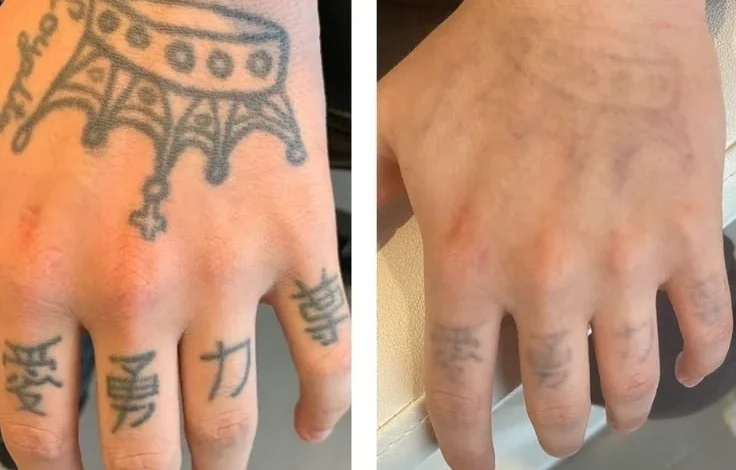
Thinking about getting that old tattoo removed? You’re not alone. Millions of people seek tattoo removal each year, but what many don’t realize is that their skin tone plays a crucial role in determining how successful the removal process will be. Understanding this relationship can help you set realistic expectations and choose the right treatment approach for your unique skin type.
The Science Behind Laser Tattoo Removal and Skin Tone
Laser tattoo removal works by targeting the ink particles embedded in your skin with concentrated light energy. The laser breaks down these particles into smaller fragments that your body’s immune system can naturally eliminate over time. However, the laser doesn’t just see the tattoo ink—it also responds to melanin, the pigment that gives your skin its color.
This is where skin tone becomes critically important. Darker skin contains more melanin, which can absorb some of the laser energy intended for the tattoo ink. This absorption can lead to complications like hypopigmentation (lightening of the skin) or hyperpigmentation (darkening of the skin) if not handled properly.
The Fitzpatrick Scale and Treatment Planning
Dermatologists use the Fitzpatrick Scale to classify skin types from Type I (very fair skin that always burns) to Type VI (deeply pigmented dark skin that never burns). This classification system helps practitioners at any leading tattoo removal clinic in Washington, DC determine the safest and most effective laser settings for each individual patient.
People with lighter skin tones (Types I-III) generally experience fewer complications during tattoo removal because there’s less melanin to compete with the tattoo ink for laser energy. Those with darker skin tones (Types IV-VI) require more careful treatment planning, including different laser wavelengths and lower energy settings to minimize the risk of skin damage.
Choosing the Right Laser Technology
Not all lasers are created equal when it comes to treating different skin tones. Q-switched lasers have been the gold standard for years, but newer picosecond lasers offer advantages for all skin types, particularly darker complexions. These advanced lasers deliver energy in shorter bursts, reducing heat buildup in surrounding tissue and lowering the risk of pigmentation changes.
The Nd:YAG laser, operating at 1064nm wavelength, is particularly safe for darker skin tones because it penetrates deeper while bypassing much of the melanin in the upper skin layers. Your practitioner should have access to multiple laser types to customize treatment based on both your skin tone and the colors in your tattoo.
What to Expect Based on Your Skin Type
If you have lighter skin, you’ll likely see faster results with fewer sessions needed for complete removal. The contrast between your skin and the tattoo ink makes it easier for the laser to target the pigment effectively. However, you may experience more noticeable redness and temporary swelling after each session.
For those with medium to darker skin tones, patience becomes even more important. Your treatment plan may require more sessions spaced further apart to allow your skin to heal properly between treatments. While this means a longer overall timeline, it significantly reduces the risk of permanent skin discoloration or scarring.
Minimizing Risks and Complications
Regardless of your skin tone, choosing an experienced practitioner is essential. They should conduct a thorough consultation, perform a test spot before full treatment, and adjust laser settings based on how your skin responds. Never trust your skin to someone using a one-size-fits-all approach.
Sun protection is crucial throughout the removal process, especially for darker skin tones. UV exposure can trigger pigmentation changes and interfere with healing. Apply broad-spectrum sunscreen daily and keep the treated area covered when possible.
The Importance of Realistic Expectations
Complete tattoo removal isn’t always possible for everyone, and skin tone is just one factor affecting outcomes. The tattoo’s age, ink colors, depth, and location also matter. Professional tattoos with dense ink typically require more sessions than amateur tattoos, regardless of skin type.
Your practitioner should be honest about what’s achievable for your specific situation. Some fading is almost always possible, but certain ink colors on certain skin tones may prove more stubborn than others.
Moving Forward with Confidence
Understanding how your skin tone affects tattoo removal empowers you to make informed decisions about your treatment. Don’t let concerns about complications prevent you from exploring your options—modern laser technology has made safe, effective tattoo removal possible for all skin types when performed by qualified professionals.
Schedule consultations with experienced practitioners who demonstrate knowledge about treating your specific skin type. Ask about their experience, the technology they use, and request before-and-after photos of patients with similar skin tones. With the right approach and realistic expectations, you can successfully fade or remove that unwanted ink while keeping your skin healthy and beautiful.