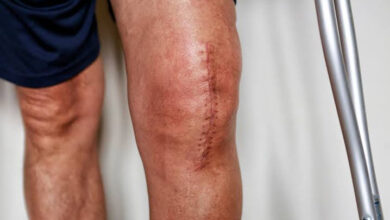
How Greater Weight Loss from GLP-1 Treatments Can Support Better Health Outcomes


Introduction
GLP-1 treatments have changed the way many people approach medical weight management. Originally developed for type 2 diabetes, medicines such as semaglutide, liraglutide, and tirzepatide are now being used to support weight loss in eligible adults under medical supervision.
A recent real-world study has added further insight into why the amount of weight lost may matter. According to research presented for the European Congress on Obesity 2026, people who achieved greater reductions in BMI after starting GLP-1-based treatment had a lower risk of several obesity-related health complications, including obstructive sleep apnoea, chronic kidney disease, osteoarthritis, and heart failure.
This does not mean GLP-1 treatments are a quick fix. Instead, the research highlights the importance of achieving and maintaining clinically meaningful weight loss with the right medical assessment, lifestyle support, and ongoing monitoring.
Why Weight Loss Can Affect More Than the Number on the Scale
Excess weight can place pressure on several systems in the body. It can affect joints, breathing, blood pressure, sleep quality, blood sugar control, and heart health. For many people living with obesity, losing weight is not only about appearance. It can be part of reducing long-term health risks.
The recent study looked at people who started GLP-1-based medicines, including semaglutide, liraglutide, and tirzepatide, between January 2021 and June 2024. Researchers assessed changes in BMI during the first year of treatment and then reviewed later health outcomes.
The results suggested a clear pattern: people who lost more weight had a lower risk of certain obesity-related conditions compared with those who lost only a small amount. Those who gained BMI after starting treatment had higher risks for some outcomes.
What the Research Found
The study included almost 90,000 patients. Most had started semaglutide, while others used tirzepatide or liraglutide. The average starting BMI was 34.7 kg/m², and 61% of the patients had type 2 diabetes.
Researchers found that patients who achieved a BMI reduction of at least 15% had lower odds of several health complications compared with those who had a BMI reduction of less than 5%. These included:
- 37% lower odds of osteoarthritis
- 30% lower odds of chronic kidney disease
- 69% lower odds of obstructive sleep apnoea
- 32% lower odds of heart failure, although this particular result was not statistically significant in the study
The findings are important because they come from real-world data rather than only controlled clinical trial settings. In everyday practice, people may respond differently to treatment, stop medication early, or experience different levels of weight loss.
Why Maintaining Weight Loss Matters
One of the key points from the research was that half of the patients discontinued GLP-1-based treatment within one year. The study still analysed outcomes based on the amount of BMI change, regardless of whether people continued or stopped treatment.
This is important because weight management is often a long-term process. Starting treatment may help reduce appetite and support weight loss, but maintaining progress usually requires ongoing lifestyle changes, follow-up care, and realistic expectations.
For many patients, the most effective approach combines medication with:
- A reduced-calorie diet
- Increased physical activity
- Behavioural support
- Regular monitoring
- Dose reviews and safety checks
NHS England also describes tirzepatide, known as Mounjaro, as a once-weekly injection that helps people feel fuller for longer and less hungry. It is recommended for certain patients as part of obesity management, alongside wider lifestyle support.
Where Mounjaro Fits into GLP-1 Weight Loss Treatment
Mounjaro is the brand name for tirzepatide. Unlike some treatments that act mainly on GLP-1 receptors, tirzepatide acts on both GLP-1 and GIP receptors. Diabetes UK explains that this helps increase incretin activity in the body, supports insulin release when needed, reduces glucose production by the liver, and slows how quickly food is digested.
For weight management, these effects may help people feel fuller, reduce appetite, and make it easier to follow a reduced-calorie diet. However, it should only be used by people who meet the clinical criteria and have been assessed by a qualified healthcare professional.
In the UK, the MHRA has authorized Mounjaro for weight management in adults with a BMI of 30 kg/m² or more, or adults with a BMI between 27 and 30 kg/m² who also have weight-related health problems such as high blood pressure, high cholesterol, prediabetes, or heart problems. It should be used alongside a reduced-calorie diet and increased physical activity.
Buying Mounjaro Online in the UK: Why Safety Checks Matter
As interest in GLP-1 treatments grows, more people are searching for terms such as buy Mounjaro online UK. While online access can be convenient, weight loss injections should never be treated like ordinary over-the-counter products.
A safe UK online pharmacy should carry out proper checks before supplying Mounjaro. This includes reviewing your medical history, checking your BMI, assessing whether the treatment is suitable, and making sure you understand possible side effects and how to use the injection correctly.
The General Pharmaceutical Council has strengthened safeguards for online weight management services. Prescribers should independently verify a person’s weight, height, or BMI rather than relying only on a questionnaire. Verification may involve a video consultation, clinical records, an in-person check, or contact with another healthcare provider such as a GP.
This is especially important because counterfeit and falsified weight loss medicines can pose serious risks. In February 2026, the MHRA issued a warning about falsified Mounjaro KwikPen 15mg pens found in the UK supply chain.
GLP-1 Treatment Is Not Suitable for Everyone
Although GLP-1 and GLP-1/GIP treatments can be effective for eligible patients, they are not suitable for everyone. A healthcare professional should review your health history, current medicines, BMI, weight-related conditions, and any risks before prescribing.
Side effects can include nausea, vomiting, diarrhoea, constipation, indigestion, and reduced appetite. Some people may experience symptoms when starting treatment or when the dose is increased. More serious side effects are less common but require urgent medical attention.
The MHRA has previously warned that severe gastrointestinal side effects from GLP-1 receptor agonists can lead to dehydration and, in some cases, hospitalisation, particularly if medicines are used inappropriately or without proper supervision.
This is why medical guidance matters. The goal is not simply to lose weight as quickly as possible, but to lose weight safely and sustainably.
What This Means for Better Health Outcomes
The latest research supports a growing understanding: greater and sustained weight loss may be linked with better health outcomes for people living with obesity. The study found lower risks of obstructive sleep apnoea, chronic kidney disease, and osteoarthritis among people who achieved larger BMI reductions after starting GLP-1-based treatment.
However, results will vary from person to person. GLP-1 treatments should be seen as one part of a wider care plan. The best outcomes are more likely when treatment is clinically appropriate, properly monitored, and supported by meaningful lifestyle changes.
For patients considering whether to buy Mounjaro online UK, the most important step is choosing a regulated pharmacy service that puts safety first. A responsible provider will assess whether the treatment is right for you, explain how to use it, monitor progress, and help you understand what to expect over time.
Conclusion
Greater weight loss from GLP-1 treatments may do more than reduce BMI. New real-world evidence suggests that larger BMI reductions after starting GLP-1-based medicines are associated with lower risks of several obesity-related complications.
For eligible adults, treatments such as Mounjaro may support weight loss when used alongside diet, physical activity, and medical supervision. But safe access matters. Anyone considering online treatment should use a regulated UK registered pharmacy, complete a proper consultation, and avoid unverified sellers or suspiciously cheap alternatives.
Weight loss treatment is not just about starting a medicine. It is about building a safer, medically guided plan that supports long-term health.