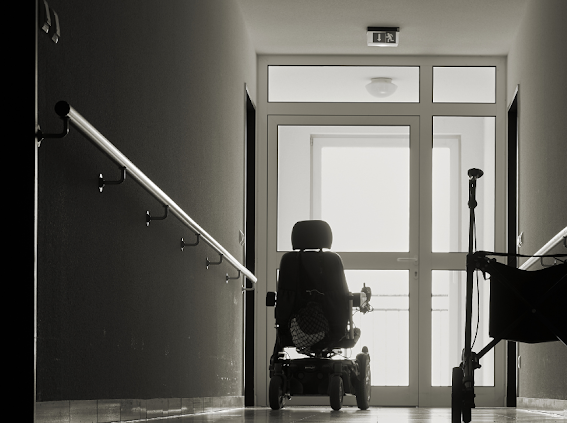
When families place a loved one in a nursing home, they do so with the expectation that the facility will provide safety, dignity, medical care, and supervision. Unfortunately, not every nursing home lives up to those obligations. Across Mississippi and throughout the United States, reports of nursing home neglect continue to raise concerns among families, healthcare advocates, and legal professionals.
Many families first notice subtle warning signs. A parent who was once clean and well-groomed suddenly appears disheveled. Unexplained bruises begin to appear. Bedsores develop. Weight loss becomes noticeable. Medications are missed. Calls for assistance go unanswered. In the most tragic situations, neglect leads to severe injury, illness, or death.
One of the most common questions families ask after discovering possible neglect is simple but important: Can families sue for nursing home neglect in Mississippi?
The answer is generally yes. Mississippi law allows injured residents and, in many situations, their family members or estate representatives to pursue legal action against nursing homes that fail to provide appropriate care. These lawsuits can help victims recover compensation, hold facilities accountable, and encourage improvements in elder care practices.
Understanding when a lawsuit may be possible requires a closer look at what nursing home neglect is, how it occurs, who can file claims, and what families must prove to succeed.
Understanding Nursing Home Neglect
Nursing home neglect differs from intentional abuse, although both can cause devastating harm.
Abuse generally involves deliberate actions that cause physical, emotional, sexual, or financial harm. Neglect, on the other hand, often occurs when caregivers fail to provide necessary care, supervision, or assistance.
Neglect can take many forms, including:
- Failure to provide adequate food and water
- Failure to administer medications properly
- Ignoring medical conditions
- Inadequate hygiene assistance
- Failure to prevent falls
- Lack of supervision for vulnerable residents
- Untreated infections
- Failure to reposition immobile residents, leading to bedsores
- Failure to respond to emergencies
While neglect may not always be intentional, the consequences can be just as serious as abuse.
For elderly residents with chronic illnesses, mobility limitations, dementia, or other medical conditions, even minor lapses in care can quickly become life-threatening.
Why Nursing Home Neglect Happens
Families are often shocked to learn that neglect frequently stems from systemic problems rather than isolated mistakes.
Common causes include:
Understaffing
Many nursing homes struggle with staffing shortages. When too few caregivers are responsible for too many residents, essential tasks may be delayed or skipped entirely.
Residents may wait extended periods for assistance with:
- Bathroom needs
- Medication administration
- Meals
- Hydration
- Mobility assistance
Over time, these failures can create serious health risks.
Poor Training
Caregivers must understand how to handle medical conditions, mobility challenges, dementia-related behaviors, and emergency situations.
When staff members receive inadequate training, mistakes become more likely.
High Employee Turnover
Frequent employee turnover often results in inconsistent care. New employees may not fully understand residents’ needs, medical histories, or care plans.
Negligent Hiring Practices
Some facilities fail to conduct proper background checks or hire individuals without sufficient qualifications.
Cost-Cutting Measures
In some cases, facilities prioritize profits over resident care by reducing staff levels, limiting resources, or delaying maintenance and medical support.
When cost-cutting compromises resident safety, the facility may face significant legal exposure.
Signs That May Indicate Neglect
Families are often the first line of defense against nursing home neglect.
Warning signs may include:
Physical Signs
- Bedsores or pressure ulcers
- Sudden weight loss
- Dehydration
- Malnutrition
- Frequent infections
- Unexplained bruises
- Poor hygiene
- Dirty clothing or bedding
Behavioral Signs
- Withdrawal from social activities
- Anxiety around staff members
- Sudden depression
- Fearfulness
- Unusual agitation
Environmental Signs
- Unsanitary conditions
- Strong odors
- Inadequate staffing presence
- Unsafe premises
- Delayed responses to resident needs
A single warning sign may not always indicate neglect. However, multiple concerns often warrant immediate investigation.
Mississippi Law and Nursing Home Neglect
Nursing homes in Mississippi have legal obligations to provide reasonable care to residents.
These facilities owe residents a duty of care that includes:
- Maintaining safe living conditions
- Providing necessary medical treatment
- Following care plans
- Protecting residents from foreseeable harm
- Employing qualified personnel
- Properly supervising residents
When a facility breaches these duties and a resident suffers harm as a result, the nursing home may be liable for negligence.
Like other negligence cases, nursing home lawsuits generally require proof that the facility’s conduct fell below accepted standards and directly caused injury.
Can the Resident File a Lawsuit?
Yes.
A nursing home resident who suffers injuries due to neglect can typically file a personal injury lawsuit against the responsible parties.
Potential defendants may include:
- The nursing home facility
- Individual caregivers
- Nurses
- Administrators
- Corporate owners
- Third-party contractors
The specific defendants depend on the facts of each case.
For example, if a resident develops severe bedsores because staff repeatedly failed to reposition them, both the facility and certain employees may share responsibility.
What If the Resident Cannot Act on Their Own?
Many nursing home residents suffer from dementia, Alzheimer’s disease, cognitive impairments, or other conditions that make it difficult to manage legal matters.
In those situations, another person may be able to act on the resident’s behalf.
This may include:
- A legal guardian
- A conservator
- A family member with power of attorney
- A court-appointed representative
These individuals can often pursue claims designed to protect the resident’s interests and recover damages resulting from neglect.
Can Family Members Sue?
In many circumstances, yes.
Family members may have legal standing to pursue claims when neglect harms a loved one.
The ability to sue often depends on:
- The resident’s condition
- Whether the resident is alive
- The family’s legal relationship to the resident
- Whether legal authority has been granted through estate documents or court proceedings
Family involvement is particularly common when the resident lacks capacity or when neglect results in death.
Nursing Home Wrongful Death Cases
The most devastating nursing home neglect cases involve fatalities.
When neglect causes or contributes to a resident’s death, surviving family members may be able to pursue a wrongful death lawsuit.
Examples may include deaths resulting from:
- Severe dehydration
- Malnutrition
- Untreated infections
- Medication errors
- Falls
- Wandering incidents
- Bedsores that become infected
- Failure to obtain emergency medical treatment
Wrongful death lawsuits serve multiple purposes.
They can provide compensation for financial losses while also holding negligent facilities accountable.
Just as importantly, they can expose dangerous practices that place other residents at risk.
Who Can File a Wrongful Death Claim?
Mississippi wrongful death laws identify specific individuals who may bring claims after a loved one’s death.
Potential claimants may include:
- Surviving spouses
- Children
- Parents
- Estate representatives
The specific circumstances determine who may file and how damages are distributed.
Because wrongful death claims involve complex legal rules, families often benefit from consulting attorneys experienced in Mississippi elder care litigation.
What Must Be Proven?
Winning a nursing home neglect lawsuit generally requires proving several legal elements.
Duty of Care
The nursing home must have owed a duty to the resident.
This requirement is usually straightforward because facilities accept responsibility for providing care when residents are admitted.
Breach of Duty
The plaintiff must show that the facility failed to meet acceptable standards of care.
Examples may include:
- Ignoring medical needs
- Inadequate supervision
- Failing to prevent preventable injuries
- Understaffing
- Medication mistakes
Causation
The plaintiff must demonstrate that the facility’s failures caused the injury.
This is often one of the most heavily contested aspects of nursing home litigation.
Facilities may argue that injuries resulted from age, existing illnesses, or unavoidable complications.
Damages
Finally, the plaintiff must prove actual harm.
Damages may include physical injuries, emotional suffering, medical expenses, or death-related losses.
Common Evidence Used in Nursing Home Cases
Evidence often determines the outcome of nursing home lawsuits.
Useful evidence may include:
Medical Records
Medical documentation can reveal:
- Missed treatments
- Delayed care
- Medication errors
- Progression of injuries
Photographs
Photographs can provide powerful evidence of:
- Bedsores
- Bruising
- Unsanitary conditions
- Physical deterioration
Witness Statements
Witnesses may include:
- Family members
- Former employees
- Residents
- Medical professionals
Facility Records
Internal documents sometimes reveal:
- Staffing shortages
- Prior complaints
- Inspection violations
- Training deficiencies
Expert Testimony
Medical experts often help explain how neglect caused injuries or death.
Their opinions can be critical in establishing liability.
What Compensation May Be Available?
Every case is unique, but compensation may include several categories of damages.
Medical Expenses
Victims may recover costs associated with:
- Hospitalizations
- Surgeries
- Rehabilitation
- Ongoing treatment
Pain and Suffering
Many victims endure substantial physical pain and emotional distress.
Compensation may account for these non-economic losses.
Relocation Costs
Families sometimes must transfer loved ones to safer facilities.
These expenses may be recoverable.
Wrongful Death Damages
When neglect results in death, families may pursue damages related to:
- Funeral expenses
- Burial costs
- Medical care before death
- Emotional losses
- Other legally recognized damages
The amount available varies significantly depending on the facts of each case.
Federal Protections for Nursing Home Residents
Mississippi nursing homes that participate in Medicare or Medicaid programs must also comply with federal regulations.
Federal law establishes important resident rights, including rights to:
- Dignity
- Privacy
- Freedom from abuse and neglect
- Participation in care decisions
- Proper medical treatment
Violations of these standards may support evidence in a negligence lawsuit.
Federal regulations do not automatically create liability, but they can help demonstrate failures in care.
Reporting Suspected Neglect
Before or alongside legal action, families may report concerns to appropriate authorities.
Prompt reporting can help protect vulnerable residents and may trigger investigations.
Families should document concerns carefully, including:
- Dates
- Photographs
- Medical information
- Witness observations
The earlier concerns are documented, the easier it may be to preserve evidence.
How Long Do Families Have to Sue?
Like all legal claims, nursing home neglect lawsuits are subject to deadlines.
Mississippi generally imposes a statute of limitations that may limit how long victims and families have to file claims after discovering neglect or after a wrongful death occurs. Missing these deadlines can prevent recovery entirely.
Because exceptions and special circumstances may apply, families should seek legal guidance as soon as possible after discovering potential neglect.
Waiting too long can result in lost evidence, unavailable witnesses, and diminished legal options.
Why Lawsuits Matter
Some families hesitate to pursue legal action because they worry that lawsuits are merely about money.
In reality, nursing home litigation often serves a much broader purpose.
Successful lawsuits can:
- Hold negligent facilities accountable
- Expose dangerous practices
- Encourage staffing improvements
- Promote better training
- Protect future residents
- Provide answers to grieving families
Many significant reforms within the long-term care industry have followed investigations and lawsuits that uncovered serious problems.
Without accountability, dangerous conditions can continue unchecked.
What Families Should Do If They Suspect Neglect
If you suspect a loved one is experiencing nursing home neglect, immediate action is critical.
Consider taking the following steps:
- Ensure the resident’s immediate safety.
- Seek independent medical evaluation if necessary.
- Document injuries and conditions through photographs and notes.
- Preserve medical records and communications.
- Report concerns to appropriate authorities.
- Speak with witnesses when possible.
- Consult an attorney experienced in nursing home neglect cases.
Early intervention may prevent additional harm and strengthen any future legal claim.
The Bottom Line
Families in Mississippi can often sue for nursing home neglect when a facility’s failure to provide proper care causes injury, illness, or death. Whether the case involves untreated bedsores, falls, dehydration, medication mistakes, or wrongful death, Mississippi law provides legal avenues for holding negligent facilities accountable.
While no lawsuit can undo the suffering caused by neglect, legal action can provide compensation, answers, and accountability. More importantly, it can help protect some of society’s most vulnerable individuals from future harm.
For families facing concerns about a loved one’s treatment in a nursing home, understanding these rights is the first step toward seeking justice and ensuring that elderly residents receive the care, respect, and protection they deserve.
See more amazing Information visit Fact News