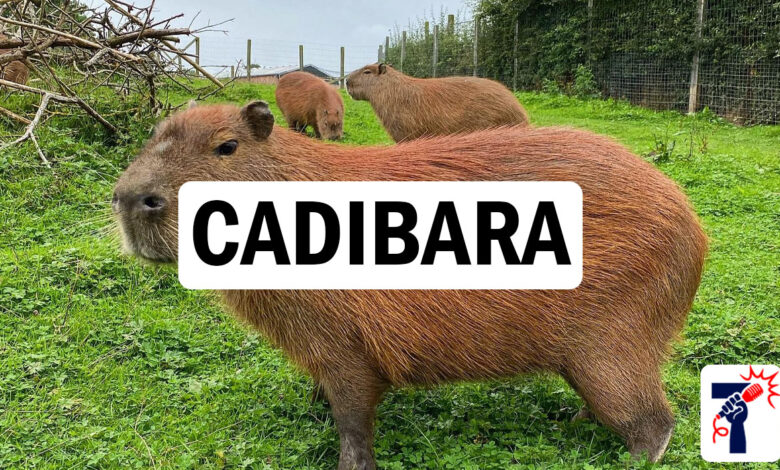
Cadibara is one of the most talked-about animals on the internet today. You may have seen this calm, friendly creature in funny videos or cute photos online. Many people search for “cadibara” when they want to learn more about this amazing animal. The word cadibara is a popular informal spelling of capybara, the largest living rodent in the world. Both words refer to the same animal, a large, water-loving mammal from South America. In this article, you will learn everything important about the cadibara, from where it lives to what it eats and why the whole world loves it.
What Is a Cadibara?
The cadibara, known scientifically as Hydrochoerus hydrochaeris, is the largest rodent on Earth. It belongs to the same family as guinea pigs, but it is much, much bigger. An adult cadibara can weigh between 35 and 66 kilograms, and some individuals grow even larger. It has a large, barrel-shaped body, short legs, and a blunt nose that makes it look calm and friendly.
The name “cadibara” became popular through internet culture. People online started using this spelling because it felt easy to say and fun to type. Over time, it spread through social media, memes, and videos. Today, many animal lovers and curious readers search for cadibara every day to learn more about this gentle giant.
Where Does the Cadibara Live?
The cadibara lives in South America, mainly in countries like Brazil, Venezuela, Colombia, Argentina, Paraguay, and Peru. It always stays close to water. You can find it near rivers, lakes, swamps, marshes, and flooded grasslands. Water is not just a comfort for the cadibara, it is a tool for survival.
When a cadibara feels danger, it quickly jumps into the water. It can hold its breath for up to five minutes and swim with great speed. Its eyes, ears, and nostrils sit high on its head, which allows it to stay mostly underwater while still watching for predators like jaguars, anacondas, and caimans.
What Does the Cadibara Eat?
The cadibara is a herbivore, which means it only eats plants. Its main food is grass, but it also eats aquatic plants, reeds, fruits, and other soft vegetation. An adult cadibara can eat up to 3 kilograms of plant material in a single day. It usually grazes in the early morning or late afternoon when the temperature is cooler.
The cadibara has a very interesting digestive habit called coprophagy. This means it eats its own droppings to get extra nutrients from food that was not fully digested the first time. This may sound strange, but it is a smart way for the animal to get as much nutrition as possible from its plant-based diet.
How Does the Cadibara Behave?
The cadibara is a highly social animal. It lives in groups that usually have between 10 and 20 members, though some groups can grow to 50 or more. Each group is led by a dominant male. The animals in the group work together to find food, raise young ones, and protect each other from danger.
Cadibaras communicate using different sounds, including barks, whistles, chirps, and purring sounds. They also use body language and scent marking to share information with each other. One of the most loved things about the cadibara is its calm and peaceful nature. It gets along well with many other animals, and you can often see birds sitting on its back, using it as a resting spot.
Cadibara Family Life and Baby Care
Female cadibaras give birth to between 2 and 8 babies after a pregnancy of about five months. Baby cadibaras are born with their eyes open and can stand, swim, and even graze within just a few hours of birth. This makes them quite independent from a very early age.
What makes cadibara family life special is shared parenting. Adults in the group take turns looking after the young ones, not just the mother. This cooperative care gives the babies a much better chance of surviving. Young cadibaras stay close to the group and learn how to graze, swim, and communicate by watching the older animals around them.
Is the Cadibara in Danger?
The good news is that the cadibara is currently listed as “Least Concern” by the IUCN, which is the global organization that tracks the safety of animal species. This means the animal is not endangered and its population is generally stable. However, this does not mean the cadibara faces no problems.
Wetland destruction, illegal hunting for meat and leather, and conflict with farming communities are ongoing threats in some parts of South America. Conservation efforts, protected natural areas, and eco-tourism programs are helping to keep cadibara populations safe. By visiting wildlife sanctuaries and supporting conservation, people can help protect this gentle animal for future generations.
Why Does the Internet Love the Cadibara?
The cadibara became a global internet star because of its peaceful and relaxed personality. Videos showing cadibaras sitting calmly while birds, monkeys, and even crocodiles rest near them went viral all over the world. People were amazed that such a large animal could be so friendly and unbothered by everything around it.
The cadibara also became a symbol of calm and emotional balance online. Many people share cadibara content when they want to show a peaceful or stress-free moment. Its funny, sleepy face and easy-going lifestyle make it one of the most loved animals on social media today, and that popularity does not look like it will slow down anytime soon.
Quick Facts About the Cadibara
- Scientific name: Hydrochoerus hydrochaeris
- Weight: 35 to 66 kg, some over 70 kg
- Length: Up to 1.3 meters
- Lifespan: 7 to 10 years in the wild, up to 12 in captivity
- Diet: Grasses, aquatic plants, reeds, fruits
- Habitat: Wetlands, riverbanks, marshes across South America
- Conservation status: Least Concern by IUCN
Conclusion
The cadibara is truly one of the most fascinating animals in the world. It is big, calm, social, and beautifully adapted to life near water. Whether you know it as cadibara or capybara, this gentle giant deserves all the love and attention it gets. Learning about animals like the cadibara helps us understand nature better and reminds us why protecting wildlife and natural habitats is so important.
Frequently Asked Questions
1. What is a cadibara?
A cadibara is another popular name for the capybara, the largest living rodent in the world. It is a peaceful, social animal native to South America.
2. Is cadibara the correct spelling?
No, the correct scientific spelling is capybara. Cadibara is an informal internet version of the name that became widely used through memes and social media.
3. What does a cadibara eat?
Cadibaras eat mainly grasses, aquatic plants, and reeds. They are strict herbivores and can eat up to 3 kilograms of plant material per day.
4. Can you keep a cadibara as a pet?
It is very difficult. Cadibaras need large water areas, open space, and the company of other cadibaras. Many countries also have laws against keeping exotic animals as pets.
5. Is the cadibara endangered?
No. The cadibara is listed as Least Concern by the IUCN. Its population is generally stable, though habitat loss and hunting remain local threats in some regions.
See more amazing Information visit Fact News