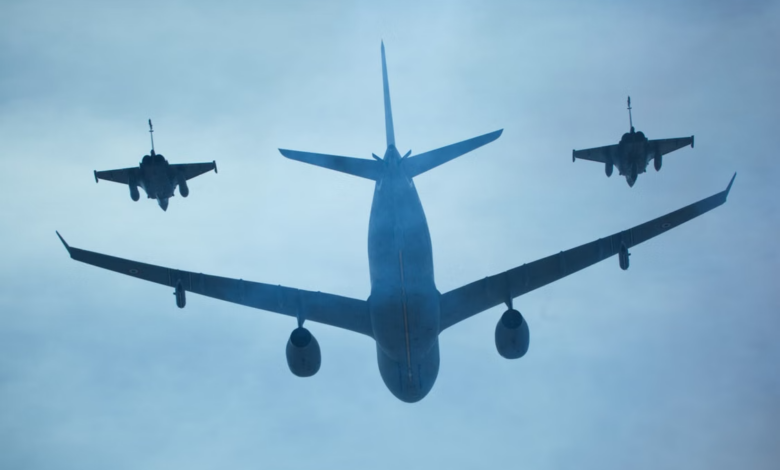
What if the next generation of aircraft could detect a mechanical failure before it even happens? Modern aviation is experiencing a transformation driven by sophisticated technological advances that fundamentally change how we approach flight safety. Innovations ranging from artificial intelligence to advanced materials are reshaping the industry, making air travel safer and more reliable than ever before. These breakthroughs represent a shift from reactive maintenance to predictive safety systems that protect passengers and crew members at every stage of flight.
1. Predictive Maintenance Systems
Predictive maintenance has revolutionized how airlines care for their aircraft. Rather than following fixed maintenance schedules, engineers now use sensors and data analytics to monitor aircraft components in real time, identifying wear and degradation before failures occur. These systems collect information from thousands of sensors embedded throughout an aircraft, transmitting data continuously to ground-based analysis centers where specialized algorithms process the information. For example, engine manufacturers can now predict bearing failure weeks in advance, allowing maintenance crews to schedule repairs during planned downtime rather than dealing with unexpected breakdowns that disrupt schedules. Maintenance professionals sourcing reliable and quality parts for aircraft ensure that when predictive systems flag a component for replacement, the right materials are available to complete repairs on schedule and restore the aircraft to service without delay. This approach reduces both maintenance costs and the risk of in-flight equipment failures, creating a substantial safety improvement across commercial aviation fleets worldwide.
2. Advanced Materials and Structural Design
Aircraft manufacturers are increasingly incorporating composite materials and lightweight alloys that offer superior strength while reducing overall aircraft weight. These materials withstand extreme temperatures and pressures while maintaining structural integrity far beyond what traditional aluminum fuselages can achieve. Composite materials like carbon fiber reinforced polymers can flex and absorb impact energy more effectively than conventional metals, providing better protection during turbulent conditions or emergency landings. Engineers also apply resin-infused fabric layering techniques that allow precise control over material density and stiffness in different sections of the airframe, tailoring structural properties to match the unique stress demands of each zone. Modern aircraft wings and fuselage sections are now engineered using three-dimensional modeling and simulation software that tests thousands of potential failure scenarios before a single aircraft is built, catching design vulnerabilities at an early stage when corrections are least costly. The structural advancements mean aircraft can operate more efficiently while maintaining multiple safety redundancies throughout the entire airframe.
3. Collision Avoidance and Detection Systems
Traffic collision avoidance systems (TCAS) and ground proximity warning systems have become standard equipment on commercial aircraft, providing pilots with real-time alerts about potential midair conflicts or dangerous terrain. These systems use sophisticated radar and transponder technology to track nearby aircraft and automatically issue commands when collision risk increases. More recently, airports and air traffic control centers have deployed surface detection equipment that monitors aircraft movements on the ground, preventing runway incursions and ground accidents. Advanced weather radar systems now provide pilots with detailed information about severe turbulence, wind shear, and other atmospheric hazards that could threaten flight safety. The integration of these detection systems with cockpit displays ensures that pilots have immediate access to critical information needed to make safe decisions.
4. Artificial Intelligence and Machine Learning Applications
Artificial intelligence is increasingly assisting aviation professionals in processing vast amounts of data and identifying safety risks that might escape human notice. Machine learning algorithms analyze flight data, weather patterns, and maintenance records to predict which aircraft might experience problems and recommend preventive actions. AI systems monitor communication patterns between pilots and air traffic control, flagging unusual exchanges that might indicate developing problems or human factors issues. Airlines use these intelligent systems to optimize flight routes, reduce fuel consumption, and minimize exposure to severe weather or other hazards. The technology continuously improves as systems learn from historical incidents and near-miss events, making the entire aviation system progressively safer.
5. Enhanced Cockpit Technology and Automation
Modern cockpits feature glass cockpit systems that consolidate flight information into intuitive displays, reducing pilot workload and improving decision-making during critical phases of flight. Autopilot systems have evolved from simple altitude and heading hold functions into sophisticated systems capable of managing entire flight profiles with minimal pilot input. Enhanced vision systems using infrared technology allow pilots to see through darkness, fog, and other visibility-limiting conditions, effectively extending their ability to detect hazards and navigate safely. Synthetic vision technology creates computer-generated terrain maps that help pilots understand their position relative to mountains, buildings, and other obstacles even when visibility is severely compromised. These technological advances work together to create a safety buffer that catches errors before they develop into serious incidents.
Conclusion
The aviation industry continues to embrace technological innovations that fundamentally enhance flight safety and reliability. Predictive maintenance systems, advanced materials, collision avoidance technology, artificial intelligence, and modern cockpit automation represent substantial progress in protecting both passengers and aircraft. As these technologies mature and integrate more seamlessly into daily operations, the inherent safety of air travel continues to improve. The convergence of multiple safety systems creates redundancies and safeguards that address both known risks and emerging threats. Continued investment in research and development of these innovative technologies will ensure that aviation remains the safest form of long-distance transportation available to travelers worldwide.