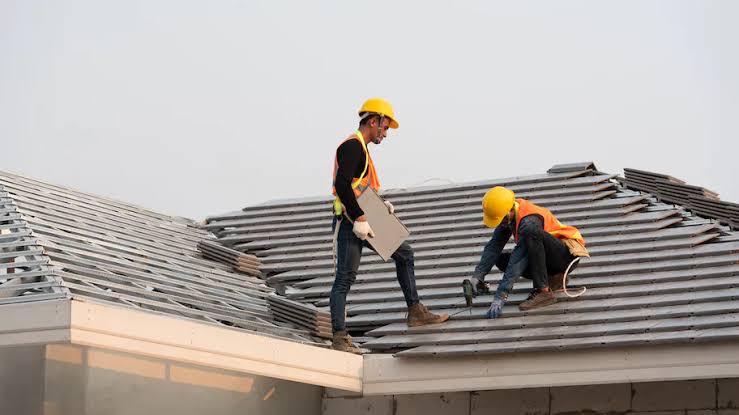
How to Choose a Roofing Contractor for Your Home
When your roof needs repair or replacement, selecting the right contractor can mean the difference between a quality job that lasts for decades and a costly mistake that compounds over time. Homeowners often rush into hiring the first contractor who responds to their call, but this approach frequently leads to regret. Taking time to evaluate your options carefully ensures you get reliable workmanship, fair pricing, and peace of mind throughout the project.
Check Credentials and Safety Practices
Before you meet with any contractor, verify any licensing, registration, or permit requirements that apply in your state or local jurisdiction. Requirements vary by location, so check the relevant local authority rather than assuming the same rules apply everywhere. Contractors should also be able to explain how they follow applicable building codes, safety standards, and industry practices.
Ask how the contractor protects your property and workers during the project. A professional roofer should have clear jobsite safety procedures, trained crews, written responsibilities for property protection, and a process for handling accidental damage or injuries. Request these details in writing and make sure the contractor’s safety and risk-management practices are appropriate for the scope of your roofing project.
Review Experience and Specializations
Roofing contractors have varying levels of expertise depending on the materials and techniques they work with regularly. Some contractors specialize in asphalt shingles, while others focus on metal roofing, tile, or flat commercial roofs. When you contact potential contractors, ask how many years they have been in business and specifically how much experience they have with your roof type. A contractor with 20 years of general experience might have limited familiarity with the specific repairs or materials your home requires.
Ask contractors to provide references from past residential clients whose roofs they completed within the last three to five years. Contact these references and ask about the quality of work, punctuality, cleanliness during the project, and whether the contractor honored the original estimate. Speaking directly with previous homeowners provides insights unavailable from any marketing material. Homeowners navigating repair or replacement projects in central Texas, for example, often rely on Austin Roofing professionals who bring certified expertise and local knowledge to match the right materials and techniques to regional climate conditions. Manufacturer certifications from shingle makers or metal roofing distributors similarly signal ongoing training and a commitment to industry best practices.
Obtain Multiple Detailed Estimates
Never hire the first contractor who gives you an estimate. Contact at least three different contractors and request written estimates for your specific project. A thorough estimate should itemize materials, labor costs, disposal fees, and any additional expenses, clearly specifying the type and quality of materials rather than using vague descriptions like “standard materials.” It should also confirm the project timeline, cleanup procedures, and warranty terms.
Compare estimates carefully, but do not automatically choose the lowest price. An estimate significantly lower than others may indicate the contractor is using inferior materials, cutting corners on labor, or underestimating the project scope. Conversely, the most expensive estimate is not always the best value. Look for estimates that fall within a reasonable middle range and are supported by clear, itemized details. A reputable contractor will answer questions about how their pricing differs from competitors without pressure or evasion.
Verify Reputation and Communication
Online reviews on independent platforms provide a useful snapshot of how contractors interact with customers. Read recent feedback but look for patterns rather than isolated comments, since consistent complaints about unresponsiveness or billing disputes carry more weight than a single negative review. Generally positive feedback with occasional minor concerns is normal for any active contractor.
Communication skills matter throughout the entire roofing project. From the initial consultation through completion, your contractor should return calls promptly, answer questions clearly, and keep you informed of progress. During early conversations, notice whether the contractor listens to your concerns or steers you toward unnecessary upgrades. A contractor who respects your budget and timeline while offering practical guidance is a reliable sign. Confirm that the contractor provides a written contract outlining all terms, materials, costs, and warranties before any work begins, since verbal agreements are difficult to enforce if a dispute arises.
Understand Warranties and Payment Terms
Roofing warranties fall into two categories: manufacturer warranties covering defects in the materials, and workmanship warranties covering the quality of installation. Ask your contractor which warranties apply and request all details in writing. Some manufacturers offer extended warranties when a certified contractor performs the installation, which can be a meaningful long-term advantage worth factoring into your decision.
Payment terms should be outlined in your contract before work begins. Reputable contractors typically require a deposit to purchase materials and schedule the project, but this deposit should not exceed 30 to 50 percent of the total contract price. A reasonable payment schedule might include the initial deposit, a payment upon material delivery, and a final payment upon completion. Never pay the full amount before the work is finished, even under pressure to do so, as this protects you if the work is incomplete or falls short of agreed standards.
Conclusion
Choosing a roofing contractor requires balancing research, communication, and careful evaluation of multiple options. Verify applicable credentials and safety practices first to protect yourself and your property. Investigate experience and request references that reflect recent work similar to your project. Obtain detailed written estimates from at least three contractors and resist choosing solely on price. Assess reputation through online reviews and direct conversations, paying close attention to how the contractor communicates with you. Ensure you understand all warranties and payment terms before signing a contract. Taking these steps requires time and effort, but the result is confidence that your roof will be handled by a qualified professional who stands behind their work.