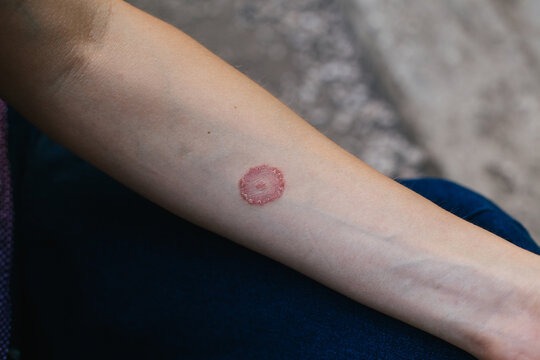
A round, red, itchy patch shows up on your skin, and the first thought that comes to mind is ringworm. This is a very common guess because ringworm is well known and easy to picture. But the truth is, many skin problems can look almost exactly like ringworm, even though they have nothing to do with a fungus at all. Some are caused by allergies, some by the immune system, and some by completely different skin conditions that just happen to form a similar round or ring-like shape. Knowing the difference matters because the wrong treatment can make some of these conditions worse instead of better. This article walks through the most common look-alikes in simple terms, so you can understand what might really be going on with your skin.
What Is Ringworm
Before looking at the copycats, it helps to know what real ringworm actually is. Ringworm is not caused by a worm at all. It is a fungal infection of the skin. It usually starts as a small red spot and slowly grows outward into a ring shape, with a clearer area in the middle and a raised, scaly, itchy edge. It can appear almost anywhere on the body, including the scalp, feet, and groin area. Because it spreads easily from person to person or from pets, doctors often treat it with antifungal creams or pills. The ring shape is the classic sign people look for, but that same shape can show up in many other skin problems too.
Nummular Eczema
One of the most common conditions mistaken for ringworm is nummular eczema. The word nummular simply means coin-shaped, and that is exactly what this rash looks like. It forms round or oval patches that are red, dry, and often very itchy, sometimes even oozing a little in the early stages. Unlike ringworm, nummular eczema does not usually clear in the middle, so the whole patch tends to stay red rather than forming a ring with clear skin inside. This type of eczema often shows up during cold, dry weather and can be triggered by dry skin, stress, or irritation from soaps and fabrics. Moisturizing regularly and avoiding harsh soaps can help calm it down, but if it does not improve, a doctor can offer stronger treatment options.
Granuloma Annulare
This condition has a name that sounds complicated, but it is simply a harmless skin issue that forms ring-shaped bumps under the skin. The bumps are usually skin-colored or slightly reddish, and they form a smooth, raised circle without the flaky, scaly texture that ringworm usually has. It often appears on the hands, feet, elbows, or knees. If you notice rashes that look like ringworm but aren’t, this condition could be one possible explanation. Nobody knows exactly what causes it, but it is not contagious and is not linked to any infection. Many cases go away on their own after several months or a couple of years without any treatment at all. Because it looks so similar to ringworm, people sometimes try antifungal cream on it for weeks with no results, which is often the first clue that something else is going on.
Pityriasis Rosea
Pityriasis rosea is another condition that can be confused with ringworm, especially at the very beginning. It often starts with a single larger patch, sometimes called a herald patch, that can look like a classic ringworm ring. After a week or two, though, smaller pink or reddish patches start appearing across the chest, back, and belly, often forming a pattern that some describe as looking like the branches of a Christmas tree. This rash is thought to be linked to a viral infection, though doctors are not entirely sure of the exact cause. It usually clears up on its own within six to eight weeks without needing strong treatment, though itching can be managed with gentle lotions.
Contact Dermatitis
Sometimes a rash that looks like ringworm is simply your skin reacting to something it touched. This is called contact dermatitis, and it can happen because of new soap, jewelry, laundry detergent, plants, or even certain fabrics. The skin can turn red, itchy, and sometimes slightly raised in a rounded shape, especially if the irritating item touched the skin in a circular area, like a ring or a watch band. Unlike ringworm, this rash tends to show up quickly after contact with the irritating substance and often fades once the item causing it is removed. Washing the area gently and avoiding the trigger is usually enough to help it heal.
Psoriasis Patches
Psoriasis is a long-term skin condition where the immune system causes skin cells to build up too quickly, leading to thick, scaly patches. These patches are often red with silvery-white scales and can sometimes appear round, especially in smaller or early patches, which is why they get mistaken for ringworm. The main difference is that psoriasis patches tend to be thicker and more built-up, and they often show up on the elbows, knees, scalp, and lower back. Psoriasis is not contagious and does not respond to antifungal treatment, so figuring out the real cause is important for finding the right kind of relief.
When To See A Doctor
Because so many skin conditions can look alike, it is easy to guess wrong, especially when relying only on pictures found online. If a rash does not improve after using an antifungal cream for a week or two, that is often a sign it may not be ringworm at all. A visit to a doctor or dermatologist is the safest way to get a clear answer, since they can examine the skin closely or run a simple test to check for fungus. Getting the right diagnosis early can save time, prevent unnecessary treatments, and help the skin heal faster with the proper care.