Remote and hybrid work have made a home office a near-essential part of daily life, but not everyone has a spare room to dedicate to one. The good news is that a productive workspace doesn’t depend on square footage. With the right layout, storage, and furniture choices, even a small corner of a home can function as an effective office. Here’s what to know.
Finding the Right Spot
Most homes have at least one underused area that can be converted into a workspace. Common options include a nook by a window, the end of a hallway, a section of a bedroom, or a closet with the doors removed. The priority when choosing a spot is natural light and low foot traffic, both of which support focus during the workday.
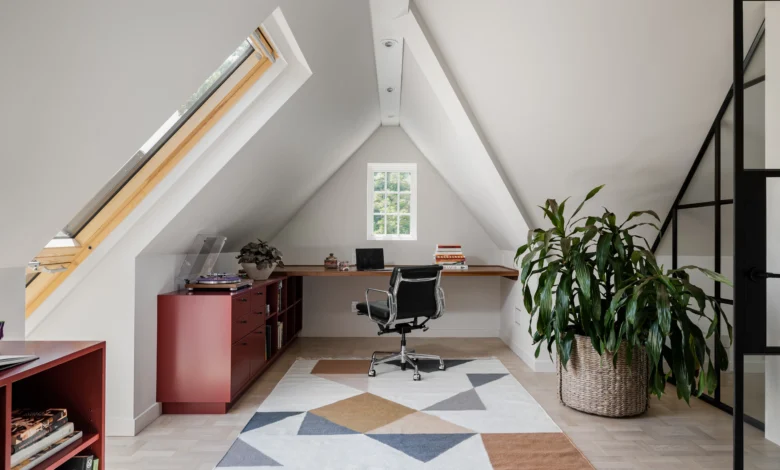
Once a location is chosen, defining it visually helps separate “work mode” from the rest of the home. A rug, an accent wall, or a room divider can mark the boundary of the workspace without requiring a full room conversion.
Storage That Fits Small Spaces
Limited space means storage has to be efficient. Vertical storage solutions, such as floating shelves and wall-mounted organizers, keep supplies accessible without using floor space. A slim filing cabinet or a desk with built-in drawers can also reduce clutter on the work surface itself.
Multi-functional furniture is particularly useful in compact offices. A storage ottoman can double as seating and a place for cables or files, while a cabinet with closed doors can hide office supplies while keeping the room looking tidy.
Why the Chair Matters More Than It Seems
Desk selection and decor often get the most attention when setting up a home office, but the chair is the piece of furniture that has the biggest effect on comfort and productivity over time. This is where ergonomic office chairs come in.
Ergonomic office chairs are designed to support the natural curve of the spine, reduce strain on the neck and shoulders, and encourage better posture during long working hours. Adjustable seat height, lumbar support, and breathable materials all contribute to comfort, which matters for anyone spending several hours a day at a desk. Without adequate support, discomfort can set in by early afternoon and start to affect concentration.
Office chairs designed for smaller spaces are widely available now, so choosing ergonomic office chairs doesn’t mean sacrificing style. Compact bases and armrests that adjust or fold in allow office chairs to fit neatly under a desk when not in use, which is a practical consideration in any small home office.
Lighting and Finishing Touches
Natural light should be a priority when positioning a desk, as it has been linked to improved focus and reduced eye strain. A task lamp can cover darker hours, while ambient lighting, such as a wall sconce, keeps the space feeling comfortable rather than clinical. A well-placed mirror can also help reflect light and make a small area feel larger.
Personal touches, from artwork to a favourite plant, help the space feel lived-in rather than purely functional. Keeping the desktop simple, with a tray for daily essentials and one or two personal items, supports both organisation and a sense of ownership over the space.
The Bottom Line
A productive home office comes down to a handful of practical decisions: choosing a well-lit spot, using vertical storage to manage clutter, and investing in a supportive chair. Ergonomic office chairs, in particular, make a measurable difference for anyone working from home regularly, and prioritising this one piece of furniture can improve comfort and output more than any other single change to the space.
FAQs
Do I need a spare room to set up a home office?
No. A well-defined corner, alcove, or section of a room can function as a productive workspace as long as it has good light and minimal distractions.
What’s the most important piece of furniture in a small home office?
The chair. Ergonomic office chairs support posture and reduce strain during long working hours, which has a direct impact on comfort and focus.
Are ergonomic office chairs available in compact sizes?
Yes. Many office chairs are now designed with slim bases and adjustable or foldable armrests, making them suitable for smaller desks and tighter spaces.
How can I make a small workspace feel less cramped?
Vertical storage, a mirror to reflect light, and a clearly defined boundary, such as a rug or accent wall, can all help a compact office feel more open.
What should I look for when buying an office chair for a small desk?
Look for a compact base, adjustable seat height, lumbar support, and armrests that tuck in or fold, so the chair fits neatly under the desk when not in use.