Houston’s Most Dangerous Roads for Car Accidents: What You Need To Know Before You Drive Again

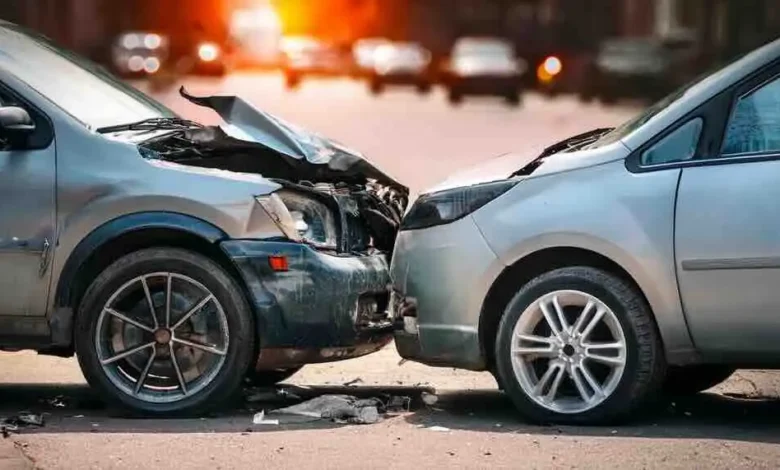
You might be replaying the crash in your mind, wondering how a normal drive across town turned into twisted metal, frantic phone calls, and a pain that will not quite go away. One moment you were just trying to get home on I 45 or cutting across Westheimer, and the next, your whole routine, your work, even your sleep, changed. Hildebrand & Wilson, llc can help you navigate what comes next.
If you are feeling shaken, angry, or a little lost, that is a normal response. Houston’s traffic is unforgiving, and when you learn how many crashes happen on the same roads you use every day, it can feel both frightening and unfair. You may be asking yourself two things at once. How did this happen to me on a road everyone uses, and what can I realistically do about it now.
Here is the short version. Certain streets and freeways in Houston see far more collisions than others. The design of the road, heavy traffic, speeding, and distracted drivers all play a part. Understanding where these danger zones are and why they are so risky can help you protect yourself going forward. It can also help you explain what happened in your crash, which matters if you are dealing with insurance or considering speaking with a personal injury lawyer.
Why are some Houston roads so dangerous, and why does that matter for your case?
You have probably noticed that some routes just feel more tense. Downtown freeways during rush hour. Long, straight feeder roads where everyone seems to be speeding. Busy commercial corridors where cars, buses, and people on foot all compete for space. Those instincts are not wrong. City and state data show that a relatively small number of streets carry a large share of serious crashes and deaths.
Houston’s own Vision Zero safety initiative has identified a “high injury network,” which is a group of streets where a disproportionate number of people are killed or seriously hurt. These include freeways like I 45, I 69, and US 59, as well as major surface streets such as Westheimer, FM 1960, and Beechnut. The Texas Department of Transportation also tracks crash statistics around the state, and its motor vehicle crash statistics confirm how often collisions happen in and around Houston.
So why does this matter to you personally. Because the type of road where your crash happened can affect how your claim is viewed. High speed freeways often involve chain reaction collisions and disputed fault. Multi lane arterials with many driveways and intersections can raise questions about visibility, signal timing, or whether a driver was distracted. If you were hurt on one of Houston’s most dangerous roads for car accidents, you are not just unlucky. You were in an environment that is already known to be hazardous.
So, where does that leave you when you are trying to heal and also figure out what went wrong.
From frustration to action: the emotional and legal ripple effects after a Houston crash
After a serious wreck, most people face three overlapping problems. Physical pain, financial pressure, and legal confusion. It is common to feel like you are being asked to make important decisions while you are still in shock.
Imagine this scenario. You are rear ended on I 10 near a construction zone. Traffic stops suddenly, you brake, but the driver behind you is glancing at their phone and slams into your car at high speed. Your neck snaps forward, your airbag deploys, and by the time you process what happened, your car is barely drivable. Within days, the medical bills start, your job wants to know when you will be back, and the other driver’s insurer is already calling, trying to get a recorded statement.
The same pattern plays out on surface streets. Maybe you were hit while turning left on Westheimer by a driver running a red light. Or you were sideswiped on FM 1960 by someone weaving through traffic. These are not rare “freak” events. They are exactly the kind of crashes that show up again and again in Houston’s Vision Zero Action Plan report.
The agitation comes from feeling like you are fighting on several fronts. You are trying to get medical care approved. You are watching savings drain away. You are fielding calls from adjusters who sound friendly but are focused on keeping payouts low. And in the back of your mind, you are wondering if you should talk to a personal injury lawyer, yet you may worry that doing so will “escalate” things.
Here is the quiet truth. Crashes on notorious roads are rarely simple. There may be multiple vehicles involved. There may be questions about whether a construction zone was marked correctly or whether a dangerous intersection had a history of prior crashes. When fault is unclear, or when injuries are serious, trying to handle everything alone can add more stress than it removes.
How risky are Houston’s worst roads compared with safer options?
You might be wondering how much difference your route really makes. Data from TxDOT’s crash records system and Houston’s safety plans show patterns that are hard to ignore. Busy freeways, major arterials, and certain intersections see far more serious crashes than quieter residential streets.
The table below gives a simplified comparison based on typical patterns seen in urban crash data. It is not meant to replace official statistics, but to help you think about risk in a practical way.
| Type of Houston Road | Common Crash Types | Relative Risk of Serious Injury | Typical Contributing Factors |
|---|---|---|---|
| Major freeways (I 45, I 10, US 59) | High speed rear ends, multi vehicle pileups, lane change collisions | High | Speeding, congestion, sudden slowdowns, distracted driving |
| Busy arterials (Westheimer, FM 1960, Beechnut) | Intersection crashes, left turn collisions, pedestrian and cyclist impacts | Medium to High | Heavy traffic, complex intersections, limited visibility, red light running |
| Neighborhood and local streets | Low speed rear ends, parking lot crashes, minor sideswipes | Lower, but not zero | Backing out of driveways, rolling stops, inattention |
Even if you were on a quieter street, your injuries still matter. But if your crash happened on a known danger corridor, there may be more evidence available, more prior complaints, and more scrutiny on how the crash unfolded. That can affect both your safety decisions going forward and the strategy for any claim you pursue.
Three concrete steps you can take after a crash on a dangerous Houston road
When everything feels overwhelming, it helps to focus on a few clear actions. These steps are about protecting your health, your rights, and your peace of mind, whether your wreck happened on a notorious “high crash corridor” or a side street.
1. Get thorough medical evaluation, even if you “feel mostly okay”
High speed and multi vehicle crashes often cause injuries that show up slowly. Whiplash, concussions, back injuries, and internal damage can be masked by adrenaline for days. See a doctor as soon as possible. Be honest about all symptoms, even if they seem minor. Follow through with referrals, imaging, and therapy. Your medical records will be the backbone of any injury claim, and they also guide your recovery.
2. Preserve evidence about where and how the crash happened
If it is safe, take photos of the scene, your vehicle, skid marks, traffic signals, and any nearby businesses that might have security cameras. Write down your own detailed notes as soon as you can about traffic conditions, weather, and what you remember other drivers doing. On roads that are known trouble spots, there may already be public data on prior crashes. An experienced car accident attorney can sometimes use that context to support your version of events.
3. Be cautious with insurance conversations and consider legal guidance
Insurance adjusters are trained to move quickly. They may ask for a recorded statement, suggest you were partially at fault, or offer a fast settlement before you know the full extent of your injuries. You are allowed to pause, gather information, and speak with a professional before agreeing to anything. A seasoned personal injury lawyer can review the specifics of your wreck, explain how Houston’s dangerous roads factor into your claim, and help you decide whether it makes sense to pursue more than what is first offered.
Finding your footing again after a serious Houston car wreck
Being hurt on one of Houston’s most dangerous roads does not define you, but it can change your path for a while. You may need time off work, ongoing treatment, and support at home. You may also need to stand up for yourself in a system that often feels cold and rushed.
You do not have to become an expert in traffic safety or insurance law overnight. What you can do is take your injuries seriously, gather what information you can, and reach out for help when the process becomes too heavy to carry alone. If you choose to talk with a personal injury lawyer, you are not “starting a fight.” You are asking someone who understands these roads, these crash patterns, and these claims to stand beside you.
Your job right now is to heal and to protect your future as best you can. With the right information and support, you can move from feeling blindsided by a dangerous stretch of road to feeling more in control of what happens next.