A couple of years ago, the only good use your phone camera had was to take a selfie, to take pictures of food, and to take close-up shots. When it came time to capture anything at a distance, the smartphone cameras just did not do a good job. Smartphone camera technology has advanced tremendously.
Now, you can capture a photo of a far-away subject into sharp detail with really good definition. Whether you are shooting at a football game, taking wildlife pictures, photographing the landscape on vacation or shooting a live performance on stage. Modern smartphones allow you to capture all the fine details that would have previously required long-zoom lenses on high-end digital SLR cameras.
This progress has led to the new trend of zoom capabilities being a major talking point for smartphone cameras. Not only do people want to know how many megapixels the camera has or whether or not it has night mode; they also want to know how far they can zoom on their smartphone camera and whether or not the image they get will be a good quality.
In this blog post, we will look at how smartphone zoom technology has changed, the importance of the super zoom capabilities and how manufacturers are making high grade zoom capabilities available at an affordable price.
Where did the smartphone Zoom start?
In the early days, zoom on phones was mostly digital. The camera simply cropped into the image instead of physically magnifying the subject. The more you zoomed in, the worse the image became.
Anything beyond 2x zoom made the pictures pixelated, giving soft textures, heavy image noise, and loss of sharpness. The problem was simple. Cropping removes image data. The phone was not capturing extra detail, it was stretching the existing pixels.
Because of this, many users ignored zoom entirely. Photography enthusiasts often recommended taking a normal photo and cropping it later because the result was almost identical to digital zoom.
Nobody truly expected phones to handle long-distance photography properly. The major turning point came around 2016 and 2017 when brands introduced dual-camera systems with dedicated telephoto lenses. For the first time, smartphones gained optical zoom.
Unlike digital zoom, optical zoom physically changes the focal length of the lens. This means the camera captures real detail instead of enlarging pixels artificially. Even 2x optical zoom felt like a huge improvement because the images looked naturally sharper and cleaner than digital crops.
That small upgrade changed the direction of smartphone photography completely. What started as a secondary camera feature soon became one of the most competitive areas in the industry.
The Periscope Lens Changed Smartphone Zoom Forever
There was still one major issue preventing phones from achieving serious zoom levels, and that was physics.
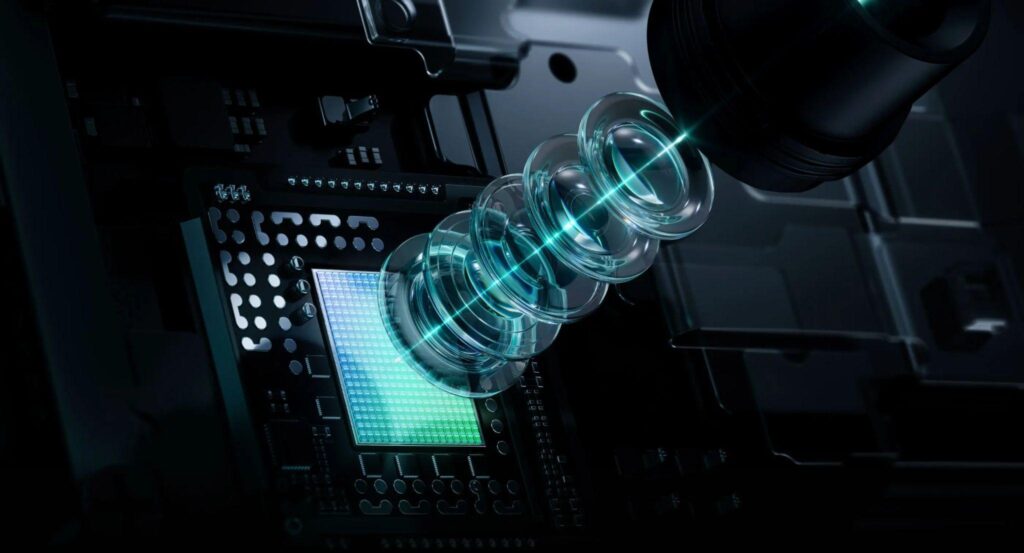
Longer zoom lenses require more physical space. Traditional telephoto lenses extend outward, but smartphones are extremely thin devices. Manufacturers could not simply make phones thicker just to improve zoom. The solution came through the periscope lens technology.
A periscope camera uses a prism or mirror to redirect light sideways through the phone body instead of directly inward from the back panel. This allows the lens assembly to stretch horizontally inside the phone rather than vertically. The results were extraordinary.
Suddenly, smartphones could achieve:
- 3x optical zoom
- 5x optical zoom
- 10x optical zoom
- Longer focal lengths without bulky camera bumps
More importantly, optical zoom preserved full image quality because the camera captured actual detail rather than digitally enlarging the image. This is why a true 5x optical zoom image looks dramatically better than a 5x digital crop.
AI SuperZoom

Most smartphones can realistically achieve between 5x and 10x optical zoom before hardware constraints become difficult to manage. This is where AI SuperZoom entered the picture.
Instead of relying on a single zoomed frame, the phone captures multiple images rapidly at the highest optical zoom level. AI processing then aligns these frames, removes shake, reconstructs detail, and creates a sharper final image.
Today, 30x, 60x, and even 100x zoom shots are becoming genuinely usable under good lighting conditions. Super-Zoom FlashSnap automatically selects the sharpest frame during zoom capture
This is important because advanced zoom is no longer limited to ultra-premium flagships. AI processing has made powerful zoom more accessible at lower price points.
Of course, AI zoom still has limitations in extremely low-light conditions or at maximum zoom levels. Less light means less image data for the algorithm to reconstruct properly. However, each generation improves rapidly.
Features like AI RAW 2.0 and Super-Zoom FlashSnap are helping phones recover more detail while reducing motion blur and image softness during high zoom photography.
Why Zoom Became a Major Buying Factor?
People now create content constantly through their smartphones. Travel photography, concerts, sports, wildlife shots, and street photography all benefit heavily from telephoto capability. A wide-angle camera simply cannot handle these situations properly.
Zoom became especially important for:
- Social media creators
- Event photography
- Travel content
- Nature photography
- Sports moments
- Architecture shots
This also created clear separation between smartphone price categories.
Entry-level phones usually provide you with wide camera and Digital zoom. Whereas a mid-range device typically includes a telephoto lens, 2x to 3x optical zoom and basic AI enhancement.
Finally, near-flagship and flagship phones now deliver periscope telephoto systems, 5x optical zoom, 60x to 100x AI zoom, and advanced stabilization. As costs dropped, users started expecting zoom performance even in more affordable phones. That expectation changed the market completely.
Today, any smartphone claiming to be camera-focused without proper zoom capability immediately feels incomplete.
What This Means When Buying a Camera Phone
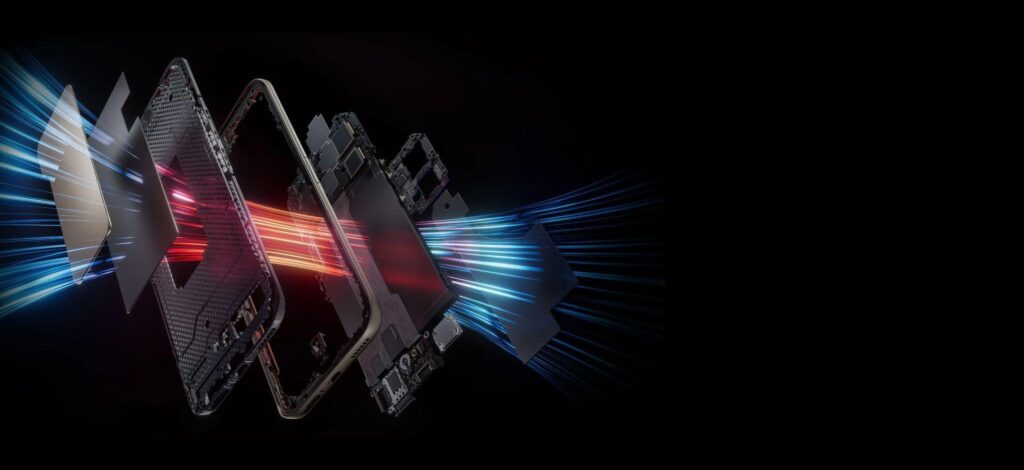
Smartphone zoom is no longer a gimmick. It is now a reliable photography tool that genuinely changes how people capture moments. When evaluating a camera phonecamera phone, focus on: optical zoom quality first, if the telephoto lens has OIS, sensor quality over megapixel marketing, and AI processing capability.
The difference between 3x and 5x optical zoom is meaningful in real-world usage. However, the jump between 60x and 100x AI zoom matters less than brands often advertise. Strong optics and stabilization are far more important.
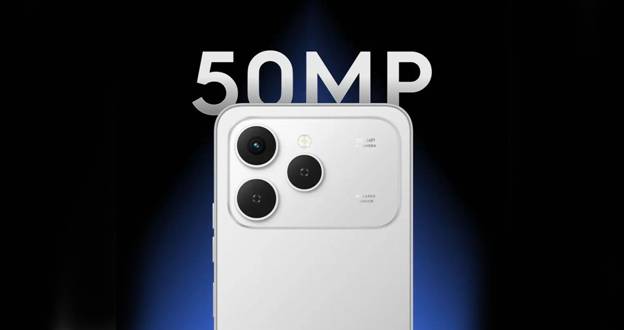
The Camon 50 series is a good example of balancing these features properly as the Camon 50 ProCamon 50 Pro offers a 50MP 3x periscope telephoto with OIS and 60x AI zoom. On the other hand Camon 50 Ultra adds a stronger 5x telephoto system with 100x AI zoom and Super-Zoom FlashSnap.
Both bring advanced zoom photography into a sub-$600 category, making the technology practical rather than exclusive.
The Future of Smartphone Zoom
100x zoom once sounded impossible on a phone. Now it is becoming normal. The next stage of zoom development is already moving toward:
- Variable aperture telephoto systems
- Continuous optical zoom
- Improved AI video zoom
- Better low-light telephoto photography
- Hybrid macro and telephoto systems
Smartphone zoom is evolving much faster than most people expected. What feels advanced today may look basic only a few years from now. The distant moment that once looked blurry and unusable on a smartphone can now be captured with real detail, clarity, and stability. That is why super zoom became standard.
Not because manufacturers wanted a bigger number on the box, but because users genuinely needed better long-distance photography and the technology finally caught up.
CTA: Explore the Camon 50 series and discover which zoom system fits the way you capture the world around you.