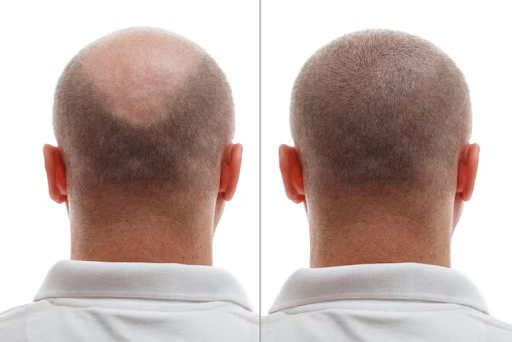
Choosing to address hair loss is a significant step, and finding the right treatment requires clear, factual information. For many individuals experiencing advanced thinning, visiting a reputable hair transplant clinic in London offers a reliable path to restoring both hair density and self-confidence. While modern clinics offer various restoration methods, Follicular Unit Transplantation (FUT) remains a gold-standard technique for achieving maximum coverage. Often referred to as strip surgery, this procedure involves transplanting healthy hair follicles from a donor area to thinning regions. Understanding the specific techniques, recovery stages, and expected outcomes of a London FUT hair transplant helps patients make informed decisions about their restoration journey.
The Science of Strip Harvesting
Follicular Unit Transplantation relies on a precise surgical approach to maximise graft survival. During this procedure, a qualified surgeon removes a thin strip of healthy, hair-bearing skin from the donor area, typically at the back or sides of the scalp where hair is genetically programmed to resist balding. Once removed, the donor site is closed using advanced suturing techniques, leaving a slim linear scar that is easily concealed by surrounding hair.
The real precision begins under high-powered microscopes. Highly skilled technicians carefully dissect the harvested strip into individual follicular units. These units naturally contain groups of one to four hairs. Keeping these natural groupings intact is crucial, as it ensures the transplanted hair grows in a realistic pattern. Because the follicles remain housed within their protective tissue during dissection, they have a remarkably high survival rate once implanted. This meticulous extraction process allows surgeons to obtain a large number of high-quality grafts in a single session, making it an ideal option for individuals requiring significant volume and coverage over larger balding areas. Furthermore, this method minimises damage to the surrounding donor hair, preserving the scalp’s future donor potential should further procedures be required years down the line.
What to Expect During the Procedure
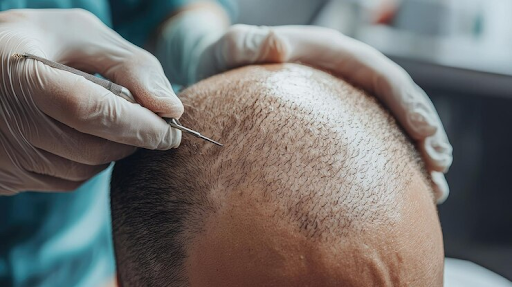
Undergoing a London FUT hair transplant is a structured, full-day outpatient procedure designed around patient comfort. The day begins with a detailed marking of the hairline and recipient areas, ensuring the design aligns with the patient’s natural facial features and long-term aesthetic goals. Local anaesthetic is then administered to both the donor and recipient areas, ensuring the patient remains comfortable and pain-free throughout the surgery.
Once the area is fully numb, the surgeon removes the donor strip and begins the dissection process. While the technical team prepares the individual grafts, the surgeon creates tiny recipient sites in the balding areas of the scalp. The angle, depth, and direction of these incisions are critical; they dictate how the new hair will lie and grow. Placing the grafts into these microscopic incisions requires immense precision and patience. Patients can relax, watch a film, or listen to music during this time. By utilising specialised trichophytic closure techniques, modern surgeons ensure that hair actually grows through the eventual linear scar, rendering it virtually invisible even with relatively short haircuts. This attention to detail during the closure phase is a hallmark of premium clinical care, reducing post-operative tension on the scalp and promoting rapid, uncomplicated tissue healing.
Selecting the Right Hair Transplant Clinic in London
Achieving natural-looking results depends heavily on the expertise of the surgical team. When researching a hair transplant clinic in London, patients must look beyond superficial marketing and focus on clinical credentials. In the United Kingdom, any reputable clinic performing surgical hair restoration must be registered with the Care Quality Commission (CQC). This registration guarantees that the facility adheres to strict national standards of safety, hygiene, and patient care.
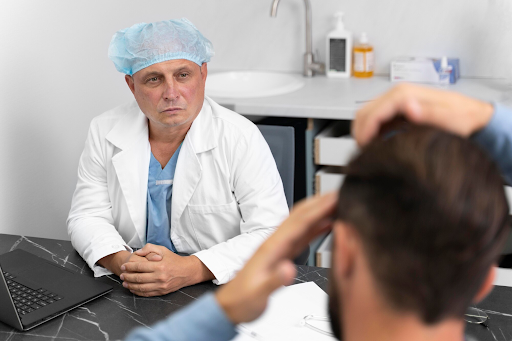
Additionally, the leading surgeon should hold active memberships in professional organisations such as the British Association of Hair Restoration Surgery (BAHRS) or the International Society of Hair Restoration Surgery (ISHRS). During an initial consultation, a skilled surgeon will conduct a thorough scalp analysis to evaluate donor hair density and discuss realistic expectations. They should provide a comprehensive portfolio of before-and-after photographs showcasing consistent, high-quality outcomes on various hair types. A trustworthy clinic will never pressure a patient into making an immediate decision, prioritising patient education and ethical treatment plans above sales targets. They will also clearly explain the differences between various techniques, ensuring that the chosen path aligns perfectly with the patient’s individual physiological needs and hair loss progression.
The Recovery and Growth Timeline
Understanding the post-operative recovery timeline is essential for managing expectations after a London FUT hair transplant. The first few days following surgery require careful adherence to aftercare instructions. Patients typically experience mild swelling, redness, and minor discomfort around the donor and recipient sites, which can be managed easily with prescribed pain relief and anti-inflammatory medication.
Sutures are generally removed between ten and fourteen days after the procedure. During this initial fortnight, the newly implanted grafts secure themselves in their new positions, meaning patients must wash their hair with extreme gentleness. A common source of anxiety for patients is the shedding phase, which occurs between two to six weeks post-surgery. This temporary shedding of the transplanted hair shafts is a completely natural part of the hair growth cycle. The underlying follicles remain healthy and dormant beneath the skin. New, fine hairs begin to emerge around the third or fourth month, gradually thickening over time. Most patients see significant cosmetic improvement by the eighth month, with the final, mature results of the transplant fully visible after a full year. Maintaining regular follow-up appointments with your clinical team during this twelve-month period ensures that your healing progresses smoothly and any questions are promptly addressed.
Minimising Scarring and Maximising Density
One of the primary advantages of choosing a premier hair transplant clinic in London for an FUT procedure is the ability to achieve maximum hair density in a single session. Because the strip harvesting method preserves the protective tissue around each follicular unit, graft survival rates are exceptionally high, often exceeding ninety-five percent. This makes the technique highly efficient for addressing extensive balding patterns, such as those classified under advanced stages of the Norwood Scale.
While the presence of a linear scar is a characteristic of FUT, modern surgical advancements have minimised its visibility. Surgeons use double-layered closures to reduce tension on the skin, allowing the wound to heal into a very fine, flat line. For patients who prefer to keep their hair at a medium to longer length, this scar remains completely hidden. Furthermore, the high yield of healthy grafts ensures that the recipient area receives dense, natural-looking coverage that blends seamlessly with the remaining native hair, delivering a permanent solution to hair loss. This seamless integration is vital for establishing a natural-looking hairline, which requires meticulous planning regarding the angle and direction of each implanted follicle to match your original growth patterns.
Conclusion
Undergoing a hair restoration procedure is a life-changing decision that requires careful research and realistic expectations. The FUT method remains a highly effective, clinically proven solution for individuals seeking dramatic density and natural-looking coverage. By choosing an experienced surgeon at a registered hair transplant clinic in London, patients benefit from advanced surgical techniques, meticulous graft preparation, and comprehensive post-operative care. While the recovery process requires patience, particularly during the temporary shedding phase, the long-term outcomes of a London FUT hair transplant offer a permanent boost to both appearance and self-esteem. Investing time in selecting the right clinical team ensures a safe, successful journey toward restoring a full head of hair.