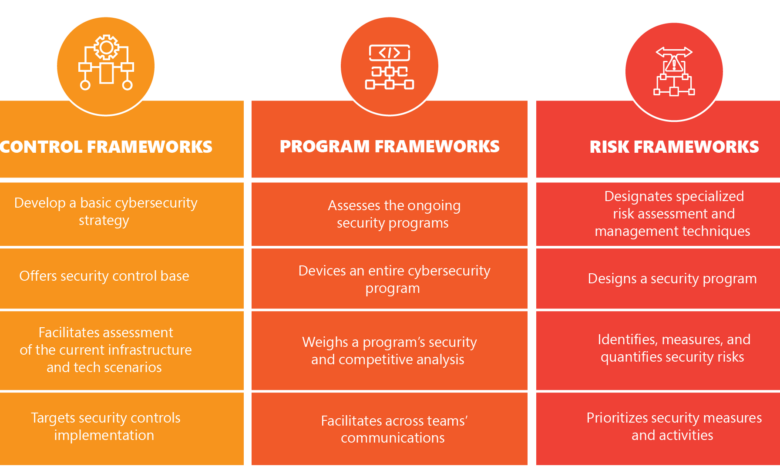
As businesses grow, their cybersecurity needs become increasingly complex. Without a structured approach to security, organizations often find themselves implementing disjointed tools and policies that leave critical gaps in their defenses. Cybersecurity frameworks provide the structure needed to build comprehensive, scalable protection strategies that evolve with the business rather than constraining it.
Understanding the Importance of Cybersecurity Frameworks
Several widely recognized frameworks have emerged as industry standards that guide organizations through the process of establishing effective security programs. The NIST Cybersecurity Framework, developed by the National Institute of Standards and Technology, offers a flexible approach organized around five core functions: Identify, Protect, Detect, Respond, and Recover. This framework is particularly valuable because it can be adapted to organizations of any size or industry, providing a common language for discussing security priorities and measuring progress.
The Role of CIS Controls in Business Security
For businesses handling sensitive data, the CIS Controls provide another practical starting point. These twenty prioritized security controls offer specific, actionable guidance for defending against the most common attack vectors. Implementation can be phased based on available resources and risk tolerance, allowing organizations to achieve meaningful improvements without requiring massive initial investments that might otherwise delay security initiatives.
Compliance Standards and Regulatory Requirements
Compliance-focused organizations may need to align with frameworks like ISO 27001 or sector-specific standards such as HIPAA for healthcare or PCI DSS for payment processing. Understanding which frameworks apply to your business is essential for avoiding regulatory penalties and maintaining customer trust in an environment where data protection expectations continue to rise and enforcement becomes more active.
Assessing Current Security Risks and Gaps
The process of selecting and implementing cybersecurity frameworks for businesses begins with honest assessment. Organizations must understand their current security posture, identify critical assets, evaluate existing controls, and determine where gaps create unacceptable risk. This assessment forms the foundation for prioritizing improvements and allocating resources effectively toward the most significant vulnerabilities.
Industry-Specific Risk Assessment Strategies
Risk assessment should consider both the likelihood of various threats and the potential impact if they materialize. A retail business faces different risks than a healthcare provider or a law firm. Framework implementation must reflect these differences rather than applying generic templates that fail to address specific vulnerabilities relevant to particular industries or operational models.
Balancing Security with Business Operations
Implementation planning requires balancing security objectives against operational realities. Perfect security is impossible, and excessive restrictions can harm productivity and innovation. Effective framework adoption finds appropriate balances that protect critical assets without preventing legitimate business activities. This balance varies by organization and may shift as threats evolve and business requirements change.
The Importance of Security Policies and Documentation
Documentation and policy development represent important framework components that many organizations overlook. Written policies establish expectations, define responsibilities, and provide reference points when questions arise. Good policies are clear enough to guide decisions but flexible enough to accommodate unexpected situations. They require regular review and updating as technology and threats change.
Technical Security Controls and Infrastructure Protection
Technical controls must support policy objectives in practical ways. Firewalls, intrusion detection systems, access controls, and encryption tools implement the protective measures that frameworks describe. Selection of specific technologies should reflect organizational needs, existing infrastructure, and available expertise for implementation and ongoing management rather than following vendor recommendations blindly.
Continuous Monitoring and Security Improvement
Continuous monitoring and improvement distinguish mature security programs from checklist compliance. Frameworks are not one-time projects but ongoing commitments. Regular assessments identify new vulnerabilities created by technology changes, measure control effectiveness, and guide resource allocation toward the most significant risks rather than distributing efforts evenly.
Scalable Security Frameworks for Business Growth
For growing businesses, framework adoption provides structure that scales with expansion. Security requirements that suffice for twenty employees often fail for two hundred. Frameworks designed with growth in mind help organizations maintain protection during transitions rather than rebuilding programs repeatedly as they expand into new markets or service areas.
Conclusion
By implementing established cybersecurity frameworks, businesses demonstrate commitment to data protection, satisfy regulatory requirements, and build the systematic defenses necessary to operate confidently in an increasingly threatening digital environment.