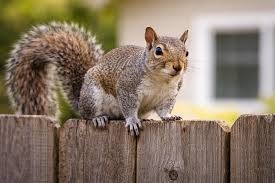
For householders, estates and woodland managers dealing with repeated damage, a squirrel trap can be a useful part of a wider control plan when it is used lawfully, humanely and with a clear understanding of the site rather than as a quick one-off fix.
Trapping Is Only Useful If The Problem Is Properly Understood
Grey squirrels are not just a nuisance around bird feeders. In England, the government’s 2026 grey squirrel policy says they damage trees and woodlands and continue to threaten native red squirrel populations. The policy forms part of a broader five-year plan to reduce that impact.
That wider context matters because people often reach for a trap only after noticing chewed loft insulation, stripped bark, damaged feeders or persistent activity around the same routes. But effective control depends on reading the site properly first. Where are the squirrels actually moving. Are they using fences, tree lines, roof edges or feeding spots. Is the problem a one-off visitor or a regular pattern.
Poor assessment usually leads to poor results. Good trapping starts with signs, habits and placement, not just equipment.
The Legal Position In The UK Needs Care
This is one of those areas where people should be cautious. BASC states that grey squirrel control is legal and does not usually require a licence, although consent may be needed on certain designated sites such as SSSIs. BASC also stresses that where red squirrels are present or suspected, live-capture trapping should be used.
That distinction is important because red squirrels are protected, and any trapping approach needs to avoid harm to non-target species. British Red Squirrel guidance also makes the point that trapping must be both humane and legal, and that there is no single “magic” method that works everywhere.
So while trapping is a recognised control method, it should never be treated casually. The right method depends on the location, the target species and the level of experience of the person carrying it out.
Placement And Checking Matter More Than People Think
A trap in the wrong place is often worse than no trap at all. BASC’s guidance recommends putting traps where there are clear signs of grey squirrel activity, often near the base of a large tree or along known movement routes, while also taking care to reduce the risk to pets and other wildlife.
BPCA guidance adds another practical point: humane trapping is not simply about catching the animal. It also depends on regular inspection, sensible siting and good welfare standards during use.
In plain terms, that means trapping is a management task, not a set-and-forget solution. It needs attention. It needs monitoring. And it works best when it forms part of a planned response rather than an impulsive reaction after seeing one squirrel in the garden.
Good Control Is Usually Ongoing, Not One-Off
One reason squirrel control can feel frustrating is that results are rarely permanent after a single intervention. The current policy discussion in England acknowledges that existing legal methods often need repeating, especially where surrounding habitat continues to support grey squirrel populations.
That is why realistic expectations matter. On a domestic property, trapping may help reduce repeat damage around a loft, feeder area or small group of trees. On larger landholdings, it is more often part of repeated seasonal management. Either way, the point is not to expect one trap to solve everything forever.
The better mindset is consistency. Assess the site properly, choose the lawful method, place equipment carefully, check it as required, and review what is actually happening on the ground.
The Best Results Usually Come From Doing The Basics Well
Grey squirrel control tends to work best when it is practical rather than dramatic. Know the species. Understand the local setting. Use humane, legal methods. Think about non-target animals. Put traps where activity is real, not guessed. Keep checking and adapting.
That may sound straightforward, but it is usually the difference between effective control and wasted effort. In this area, careful planning beats guesswork almost every time.