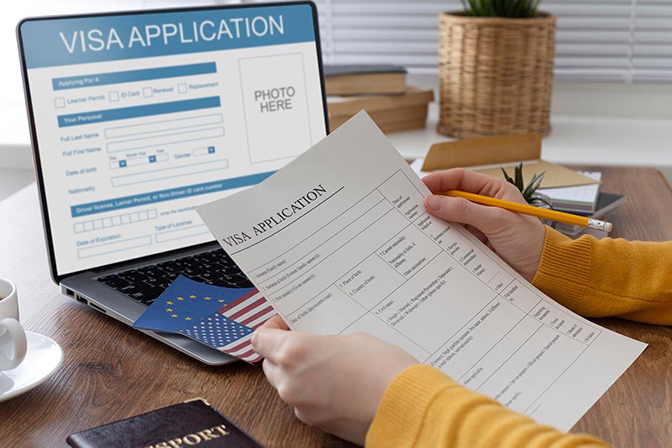
International travel rules continue changing across many countries in 2026. Small documentation mistakes now create bigger delays because immigration checks, digital verification systems, and visa screening processes have become more detailed.
Many travelers focus only on flights and hotels. The real problems often begin with missing paperwork, inconsistent travel plans, or weak supporting documents that slow down embassy processing timelines.
Why Visa Documentation Errors Are Increasing Globally
Embassies now review applications more carefully because of growing international travel demand. Many travelers applying for tourist and short term visas use services like UK visa onward proof of travel to organize flight documentation before purchasing confirmed tickets too early.
According to the International Air Transport Association and several embassy guidelines, incomplete or inconsistent travel records remain one of the most common reasons for processing delays. Minor paperwork issues often create extended review periods during visa assessment.
- Missing travel itinerary details
- Incorrect passport information
- Incomplete financial records
- Weak proof of accommodation
- Unclear travel purpose explanations
- Inconsistent travel dates across documents
Common Visa Application Mistakes Travelers Continue Making
Most visa delays happen because applicants overlook small details. These problems usually appear avoidable after the application reaches embassy review.
Incorrect Passport Information
Passport details must match every submitted document exactly. Even small spelling differences can create identity verification issues during processing.
Incorrect passport numbers or expiry dates also trigger delays. Many embassies now use automated systems to cross check travel records.
Unclear Travel Itineraries
Travel plans should show organized entry and exit timelines clearly. Incomplete itineraries often create application inconsistencies during embassy review.
Travelers sometimes submit hotel bookings without matching flight schedules. That mismatch can raise additional verification questions.
Missing Proof of Onward Travel
Several countries require proof that travelers intend to leave after arrival. Missing onward documentation creates travel compliance concerns for immigration officers.
This issue affects tourist visa applicants more frequently now. Some embassies may request additional supporting evidence before approval decisions.
Weak Financial Documentation
Applicants must show they can support themselves during the trip. Incomplete bank records often create financial credibility concerns during review.
Large unexplained deposits may also trigger additional checks. Clear transaction history usually supports smoother application assessment.
Inconsistent Supporting Documents
Different documents should support the same travel timeline and purpose. Contradictions between records often create verification delays during embassy screening.
Applicants sometimes submit conflicting hotel dates, work letters, or travel schedules. These inconsistencies slow processing significantly.
Ignoring Country Specific Visa Rules
Every embassy follows different documentation requirements and processing procedures. Ignoring official guidance creates avoidable application errors during submission.
Travelers often rely on outdated online advice instead of embassy instructions. That mistake increases rejection and delays risks.
Additional Factors That Slow Visa Processing in 2026
Beyond documentation errors, processing delays also happen because embassies now handle larger application volumes and more security verification checks.
Increased Digital Verification Checks
Many embassies now use automated systems to review travel records and applicant details. Digital screening creates stricter document validation during processing.
Small inconsistencies become easier to detect through cross referenced systems. Accuracy matters more than ever in 2026 applications.
High Seasonal Application Volumes
Summer travel periods create heavy pressure on visa processing departments. Larger application numbers increase overall embassy workload significantly.
Travelers submitting late applications face longer waiting periods. Early preparation helps reduce unnecessary travel stress.
Additional Immigration Review Requests
Some applications receive secondary review because of missing or unclear information. That process often creates extended processing timelines before final decisions.
Embassies may request updated financial records or revised itineraries. Delayed responses can slow approvals further.
Poorly Prepared Supporting Letters
Employment letters and invitation documents should remain clear and professional. Weak formatting sometimes affects document credibility during review.
Embassies expect supporting records to match submitted travel details exactly. Generic letters may create additional scrutiny.
Booking Confirmed Flights Too Early
Many travelers buy expensive tickets before receiving visa approval. Unexpected delays then create avoidable financial losses when schedules change.
The UK government and several travel advisory platforms recommend reviewing visa conditions carefully before making non refundable travel commitments.
Relying on Unverified Online Advice
Travel forums and social media groups often share outdated visa information. Incorrect guidance creates application preparation mistakes for many travelers.
Official embassy websites remain the most reliable source for updated travel requirements and processing instructions.
Practical Ways Travelers Can Avoid Visa Delays
Good preparation reduces unnecessary stress during the application process. Organized records also improve overall application clarity.
- Review embassy document checklists carefully
- Match travel dates across all records
- Double check passport information before submission
- Keep financial statements organized and recent
- Submit professional travel itineraries
- Avoid last minute visa applications
- Use official embassy guidance whenever possible
| Common Mistake | Possible Result | Prevention Method |
| Incorrect passport details | Application delay | Verify all personal data |
| Missing onward proof | Additional review | Include travel itinerary |
| Weak bank statements | Financial concerns | Submit recent records |
| Conflicting travel dates | Verification checks | Match all documents |
| Incomplete paperwork | Delayed processing | Follow embassy checklist |
Conclusion
Visa processing delays in 2026 often begin with small documentation mistakes that travelers overlook during preparation. Incorrect passport details, unclear itineraries, missing onward travel proof, and inconsistent records continue to slow applications across many embassies worldwide. Careful preparation, organized paperwork, and accurate supporting documents help reduce avoidable visa delays and create a smoother international travel experience.