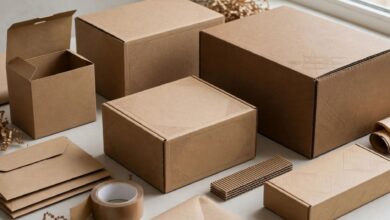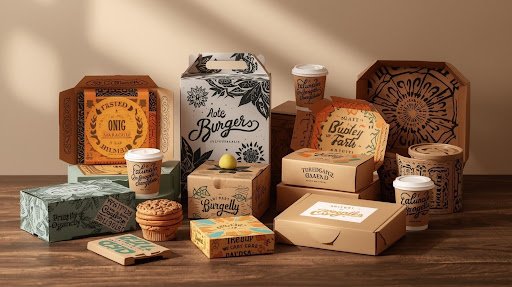
In the modern food industry, packaging is no longer just about wrapping and delivery. It has become a critical part of how food is presented, protected, and experienced by customers. Whether it is takeaway meals, bakery products, or food delivery boxes, the packaging directly influences customer satisfaction even before the first bite.
Businesses that rely on food packaging boxes often focus on speed and cost, but overlook how packaging affects perception. A poorly sized or weak structure can ruin presentation, cause leakage, or damage the food during transit. On the other hand, well-designed custom food packaging ensures that the product arrives fresh, intact, and visually appealing.
This is why packaging is now considered part of the product itself. Customers expect consistency, cleanliness, and practicality. The structure of the box, especially how length, width, and height are defined, plays a key role in delivering that experience.
Why Food Packaging Is More Than Just a Container
Food packaging does more than hold the product. It protects it from external factors, maintains its temperature, and ensures that it reaches the customer in the intended condition. In categories like meal boxes delivered, takeaway packaging, and food subscription boxes, this role becomes even more important.
A weak or poorly structured box can lead to multiple issues. Food may shift, sauces may spill, and items may lose their shape. These problems do not just affect presentation—they affect customer trust. Once a customer receives poorly packaged food, it becomes difficult to maintain confidence in the brand.
This is why businesses are moving toward custom packaging solutions that are designed specifically for their food products. Instead of using generic boxes, they are investing in packaging that fits their items properly and supports better delivery performance.
The Role of Size in Food Packaging Performance
The size of a food box is one of the most overlooked aspects of packaging design. Many businesses choose standard sizes for convenience, but this often leads to inefficiencies.
The balance of length, width, and height determines how well the food fits inside the packaging. If the box is too large, the food may move during transit. If it is too small, the product may be compressed, affecting both appearance and quality.
This is particularly important for products such as burgers, pasta, bakery items, and ready meals. Each product has different requirements, which means packaging must be designed accordingly. Proper sizing ensures that the food remains stable, retains its shape, and is presented in the best possible way.
Packaging Approach
- Oversized food boxes — food moves during delivery, leading to poor presentation and increased risk of spills.
- Tight food packaging — food gets compressed, affecting texture and appearance.
- Balanced custom food boxes — food stays secure and intact, improving presentation and customer satisfaction.
How Structure Affects Food Safety and Freshness
Food packaging is directly linked to safety and freshness. A well-structured food packaging box helps maintain hygiene and prevents contamination. It also supports airflow when needed and prevents moisture buildup in certain types of food.
For example, items like fried food or baked goods require packaging that allows slight ventilation to prevent sogginess. On the other hand, liquid-based meals require leak-proof designs to prevent spills.
This is why cardboard food containers and paper food boxes are often designed with specific structural features such as locking tabs, folds, and secure closures. These elements ensure that the food remains protected throughout the delivery process.
When packaging is not properly designed, it can compromise food quality. Leakage, contamination, and temperature loss are common issues that arise from poor packaging decisions.
Why Standard Food Boxes Often Fail at Scale
Many food businesses start with standard packaging because it is easy to source and cost-effective in the beginning. However, as the business grows, these limitations become more visible.
Standard boxes do not account for product variations. A box that works for one item may not work for another. This leads to inconsistent presentation and increased reliance on fillers or adjustments.
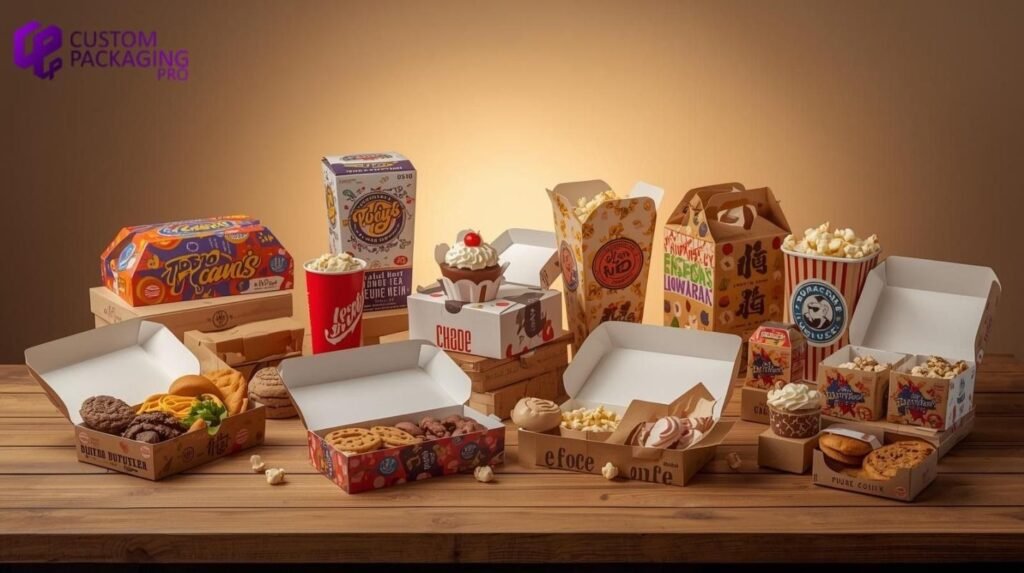
For businesses offering multiple products, such as cookie boxes, burger boxes, popcorn boxes, and coffee packaging, this inconsistency can become a major challenge. Each product requires different support and structure, which generic packaging cannot always provide.
Over time, these inefficiencies affect both cost and customer experience. This is why growing brands eventually move toward custom food packaging designed around their specific product range.
The Impact of Packaging on Customer Experience
Customer experience in the food industry is not limited to taste. It begins the moment the package is received. The way food is presented inside the box influences how it is perceived.
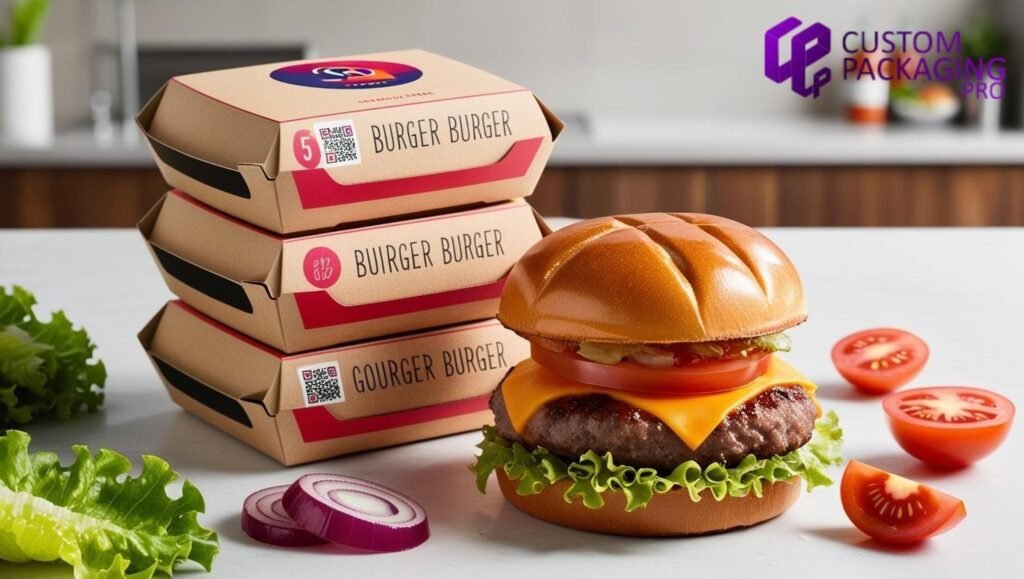
A well-structured food box creates a sense of quality and care. The product looks organized, fresh, and ready to eat. This improves customer satisfaction and increases the likelihood of repeat orders.
In contrast, poorly structured packaging creates frustration. Food may look messy, items may be difficult to handle, and the overall experience feels less premium. Even if the food tastes good, the initial impression may not be positive.
This is why packaging plays a direct role in brand perception. It is not just about delivering food—it is about delivering an experience.
Why Custom Food Packaging Improves Efficiency
Custom packaging is not just about branding. It also improves operational efficiency. When boxes are designed according to product size, packing becomes faster and more consistent.
Employees do not have to adjust items or use additional materials to fit products into the box. This reduces packing time and improves workflow. It also minimizes waste by eliminating unnecessary fillers.
For businesses handling large volumes, such as food delivery services or meal box delivery companies, these small improvements can have a significant impact. Faster packing and better efficiency lead to lower costs and improved scalability.
Sustainability and Modern Food Packaging
Sustainability has become an important factor in packaging decisions. Customers are increasingly aware of environmental impact and prefer brands that use eco-friendly packaging.
Materials such as recyclable cardboard and biodegradable paper are widely used in modern food packaging boxes. These materials provide durability while reducing environmental impact.
Sustainable packaging is not just a trend—it is becoming a requirement. Businesses that adopt eco-friendly food packaging are more likely to attract environmentally conscious customers and build long-term trust.
Why Investing in Better Packaging Pays Off
Many businesses see packaging as a cost, but in reality, it is an investment. High-quality custom food packaging reduces product damage, improves customer experience, and strengthens brand identity.
When packaging is done correctly, it supports every stage of the process—from preparation to delivery. It ensures that food arrives in the best possible condition, which directly affects customer satisfaction.
Over time, this leads to better reviews, higher retention rates, and increased brand loyalty. The initial investment in better packaging often pays off through improved performance and reduced operational issues.
Final Thoughts
Food packaging boxes are much more than simple containers. They are a critical part of how food is delivered, presented, and experienced. The right balance of length, width, and height ensures that food remains stable, fresh, and visually appealing.
Businesses that treat packaging as a strategic element rather than a basic requirement are better positioned to succeed in a competitive market. By investing in custom food packaging boxes, they can improve both efficiency and customer satisfaction.
Companies like Custom Packaging Pro are helping food brands create packaging solutions that are tailored to real product needs, ensuring better protection, improved presentation, and a more reliable delivery experience.
FAQs
Why is size important in food packaging boxes?
Size affects how food fits inside the box, preventing movement, spills, and damage during delivery.
Can poor packaging affect food quality?
Yes, improper packaging can lead to leakage, contamination, and loss of freshness.
Are custom food packaging boxes worth it?
Yes, they improve product fit, reduce waste, and enhance customer experience.
What materials are best for food packaging?
Cardboard and paper-based materials are commonly used because they are durable and eco-friendly.
How does packaging impact customer satisfaction?
Well-designed packaging improves presentation and usability, leading to a better overall experience.