Video-First Features: Why the Sony Mirrorless Camera Range Dominates YouTube Creator Kits

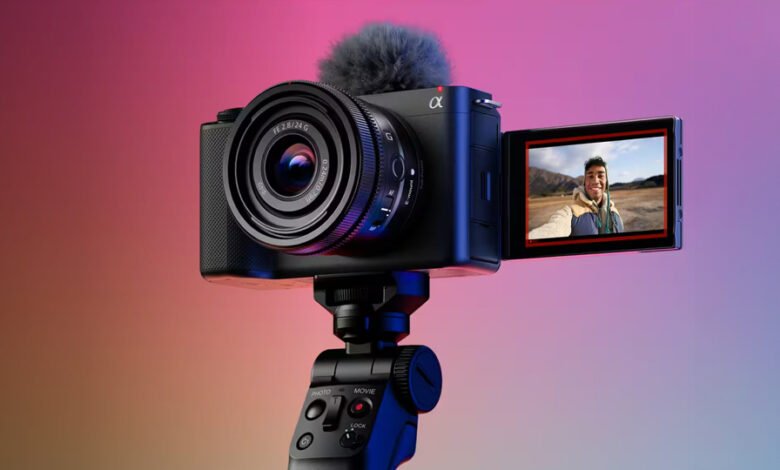
You do not have to spend long around YouTube creators before noticing a pattern. Sony cameras show up everywhere, from solo vlog setups and desk-based review channels to travel filmmaking rigs and compact interview kits. That is not just about brand familiarity. It comes from the way Sony has built a mirrorless system around modern video needs, with creator-focused bodies, advanced autofocus, strong internal recording options, flexible stabilization features, and a deep E-mount lens ecosystem. Sony’s own product lineup includes creator-first models like the ZV-E10 II and ZV-E1, hybrid bodies like the A7 IV, and cinema-leaning options like the FX3, while retailer listings also show that the current Sony mirrorless camera range spans APS-C, full-frame, and creator-oriented bodies rather than forcing all users into one style of camera.
That range matters because YouTube creators do not all work the same way. A talking-head educator needs different tools from a travel vlogger, product reviewer, livestream host, or documentary-style shooter. Some need a lightweight APS-C body with a flip screen and simple workflow. Others need full-frame low-light performance, 10-bit files, pro audio options, or high-frame-rate 4K capture. Sony’s system works well for creator kits because it scales across those needs without forcing a change in mount or a complete reset of lenses and accessories. For shoppers comparing bodies and glass through Diamonds Camera, that kind of upgrade path is a big part of the appeal.
Another reason Sony stays so visible is that the company has spent years refining features that matter specifically for solo video production. This is different from simply having a camera that can record video. Creator-friendly design means faster autofocus on faces and eyes, dependable subject tracking, flip-out vari-angle screens, compact bodies that work well on tripods or gimbals, and recording formats that are flexible enough for editing without pushing users immediately into cinema-level complexity. Sony’s A7 IV, for example, offers 4K 60p, 10-bit 4:2:2 recording, Active Mode stabilization, Breathing Compensation, and AF Assist, while the ZV-E10 II supports 10-bit 4:2:2 recording and 4K 60p with creator-oriented workflow features.
A Range Built for Different Types of Creators
One of Sony’s biggest strengths is that its lineup is not locked into one price point or one production level. At the more accessible end, the ZV-E10 II gives creators an APS-C option that still supports serious video specs, interchangeable lenses, and a workflow that feels tailored to online content. Sony says it supports 10-bit 4:2:2 recording, All-Intra compression, and 4K up to 60p, which is a meaningful jump for creators who want better color flexibility and cleaner post-production options without moving immediately to a more expensive full-frame body.
Then there are hybrid cameras like the A7 IV, which sit in a useful middle ground. They can serve photographers well, but they also give YouTube creators advanced movie features, strong autofocus, and internal 10-bit 4:2:2 recording. That makes them especially attractive to creators who shoot both stills and video, such as wedding educators, tech reviewers, brand storytellers, and commercial freelancers who need one camera to handle multiple jobs. Sony explicitly markets the A7 IV as a hybrid camera with strong movie-making features, and that hybrid identity is one reason it continues to appear in creator recommendations.
At the more video-driven end, the ZV-E1 and FX3 push the system further. Sony describes the ZV-E1 as a full-frame interchangeable-lens vlog camera with a vari-angle LCD and advanced audio, while the FX3 is positioned as a compact Cinema Line camera with full-frame performance and 4K recording up to 120fps. For creators who have moved beyond casual uploads into branded content, documentary pieces, interviews, or short-form commercial work, that breadth is a major advantage. It means the same ecosystem can support a beginner creator, a growing channel, and a working production setup.
Autofocus Is a Huge Part of the Story
Many creator kits are used by one person working alone. That changes what matters in a camera. A solo creator cannot reliably pull focus manually while presenting, moving, demonstrating a product, and monitoring audio at the same time. Sony’s strength here is not just that it offers autofocus, but that it has built a reputation around fast, intelligent autofocus that is heavily emphasized both in official materials and retailer descriptions. Diamonds Camera’s Sony Alpha category highlights advanced autofocus as one of the reasons the lineup is suited to creators, and Sony’s current bodies repeatedly center AI-powered or real-time autofocus in their feature sets.
For YouTube, that matters more than many spec-sheet comparisons suggest. A creator is more likely to forgive a slightly bulkier body than unreliable face tracking. Sharp, stable focus helps channels look more polished immediately, especially in sit-down videos, walk-and-talk shooting, product demos, and interview work. It lowers the technical barrier and lets creators think more about delivery, composition, and pacing.
Video Features That Actually Match Creator Workflows
Sony’s mirrorless system also stays relevant because its video features tend to connect directly to how creators work. 10-bit 4:2:2 capture provides more flexibility in grading and helps when matching multiple clips or dealing with mixed lighting. Flip-out screens matter for framing yourself. Active stabilization and breathing compensation help creators who shoot handheld, on small rigs, or with autofocus-driven lens changes. The FX3 also records breathing metadata for use in Sony Catalyst tools, which shows how the system extends into post-production rather than stopping at capture.
There is also a workflow argument. Sony’s Creators’ App connects compatible cameras to the cloud and is meant to enhance shooting and sharing convenience, which fits the speed of creator production. That will not matter equally to every filmmaker, but for creators publishing frequently, any tool that smooths transfer, organization, or workflow adds practical value.
Lens Choice Keeps the System Competitive
A creator camera is only as flexible as the lenses behind it. This is another area where Sony remains strong. The retailer’s lens category shows a broad lineup of Sony lenses, including wide zooms, fast primes, and creator-friendly focal lengths such as 16-35mm, 20mm, 24-50mm, 50mm, 85mm, and 70-200mm options. The same category also points to versatile focal lengths and broad coverage across shooting styles, while the Sony Alpha category highlights a wide range of E-mount lenses as a core feature of the system.
That lens breadth is a major reason creator kits can be built around Sony so easily. A vlogger can run a compact wide lens. A reviewer can choose a normal prime for a clean desk setup. A documentary creator can build around zooms. A filmmaker can step up into more specialized glass. The key advantage is continuity. Once creators enter the E-mount system, they can adapt their kit as their content evolves instead of rebuilding everything around a new platform.
Why Sony Keeps Showing Up
Sony appears so often in YouTube creator kits because the company did not just build a few good cameras. It built a layered ecosystem that supports real creator progression. The lineup includes beginner-friendly and advanced bodies, official features that are clearly video-centered, autofocus that suits solo work, recording specs that hold up in editing, and a lens system broad enough to support almost any channel format. The retailer listing reinforces that breadth, with everything from the A6400 and A6700 to the A7C II, A7 IV, A7S III, and ZV-E10 II shown inside one mirrorless family.
That is why Sony feels less like a niche recommendation and more like a default starting point for many creators. Not because every creator needs the same body, but because the system gives them room to grow without leaving the platform that got them started.