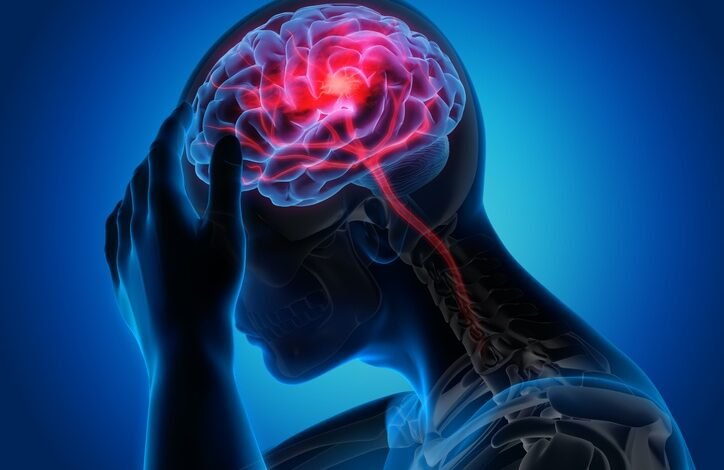
Anxiety is a universal human experience. It can feel like a racing heart before a presentation, a restless night before an important decision, or a persistent sense of unease without a clear cause. While anxiety often carries a negative reputation, it is not inherently harmful. In fact, anxiety is rooted in survival. Understanding the science behind it can help us manage it more effectively rather than simply trying to eliminate it.
What Is Anxiety, Scientifically?
At its core, anxiety is a biological response designed to protect us. It originates in the brain’s threat detection system, primarily involving the amygdala, hypothalamus, and prefrontal cortex.
The amygdala acts as the brain’s alarm system. When it detects a potential threat—real or perceived—it sends distress signals to the hypothalamus. The hypothalamus then activates the autonomic nervous system, triggering the “fight-or-flight” response.
This response releases stress hormones such as adrenaline and cortisol, which prepare the body to react quickly. Heart rate increases to pump more blood to muscles. Breathing quickens to supply oxygen. Muscles tense. Digestion slows. These changes are helpful if you’re escaping danger.
However, modern stressors—deadlines, financial concerns, social pressures—rarely require physical escape. Yet the body reacts as if they do. When this system activates too frequently or remains “on” for too long, anxiety becomes chronic.
The Role of the Nervous System
The nervous system has two main branches relevant to anxiety:
- Sympathetic Nervous System (SNS) – Activates fight-or-flight.
- Parasympathetic Nervous System (PNS) – Promotes rest and recovery.
Anxiety reflects dominance of the sympathetic system. Chronic stress keeps the body in a heightened state of alertness. Over time, this can affect sleep, digestion, immune function, and mood regulation.
The goal of anxiety management is not to suppress the SNS entirely—it’s to strengthen the parasympathetic system so the body can return to balance more efficiently.
Why Anxiety Feels So Powerful
Anxiety is amplified by the interaction between biology and cognition.
The prefrontal cortex, responsible for reasoning and decision-making, normally helps regulate the amygdala. But under high stress, the amygdala becomes more active while the prefrontal cortex becomes less effective. This is why anxiety can feel irrational yet uncontrollable.
Additionally, the brain is wired with a negativity bias—it prioritizes potential threats over neutral or positive information. From an evolutionary perspective, this bias increased survival. In modern life, it can lead to overestimating risks and underestimating coping ability.
Repeated anxious thinking strengthens neural pathways associated with fear. In simple terms, the more you practice anxious thinking, the more automatic it becomes. Fortunately, the brain is adaptable. Through neuroplasticity, new, calmer patterns can also be strengthened.
Types of Anxiety
Anxiety exists on a spectrum. It ranges from situational stress to clinical disorders such as:
- Generalized Anxiety Disorder (GAD)
- Social Anxiety Disorder
- Panic Disorder
- Specific Phobias
Occasional anxiety is normal. It becomes problematic when it is persistent, disproportionate, and interferes with daily functioning.
Evidence-Based Ways to Manage Anxiety
Understanding the biology of anxiety reveals why certain strategies work. Effective management targets both the body and the mind.
1. Regulate Breathing
Because anxiety speeds up breathing, intentionally slowing it down sends a signal to the brain that the threat has passed.
Deep diaphragmatic breathing activates the parasympathetic nervous system. Techniques such as inhaling for four counts, holding for four, and exhaling for six can lower heart rate and cortisol levels within minutes.
Slow breathing is one of the fastest ways to interrupt the fight-or-flight cycle.
2. Move Your Body
Exercise reduces anxiety by lowering stress hormones and increasing endorphins. Physical movement also helps metabolize excess adrenaline produced during stress.
Aerobic exercise, strength training, or even brisk walking can significantly reduce anxiety symptoms. Regular activity improves sleep quality and enhances emotional regulation.
Consistency is more important than intensity.
3. Challenge Anxious Thoughts
Cognitive Behavioral Therapy (CBT) is one of the most researched treatments for anxiety. It works by identifying distorted thinking patterns and replacing them with balanced perspectives.
Common cognitive distortions include:
- Catastrophizing (“This will be a disaster.”)
- Mind-reading (“They think I’m incompetent.”)
- All-or-nothing thinking (“If I fail, I’m worthless.”)
Questioning these thoughts reduces amygdala activation and strengthens the prefrontal cortex’s control.
Ask:
- What evidence supports this thought?
- What evidence contradicts it?
- What is a more realistic outcome?
Over time, this rewires habitual thought patterns.
4. Gradual Exposure to Fear
Avoidance strengthens anxiety. When you avoid feared situations, the brain never learns that they are manageable.
Exposure therapy works by gradually facing feared situations in controlled ways. Repeated exposure reduces the brain’s threat response over time—a process called habituation.
For example, someone with social anxiety might start by making brief small talk before gradually attending larger gatherings.
The key is gradual and repeated practice.
5. Improve Sleep Hygiene
Sleep deprivation increases amygdala reactivity by up to 60%, making emotional responses stronger and harder to regulate.
Prioritizing consistent sleep schedules, limiting caffeine, and creating a calming bedtime routine significantly improves anxiety management.
Sleep restores cognitive control over emotional centers of the brain.
6. Practice Mindfulness
Mindfulness reduces anxiety by helping individuals observe thoughts without immediately reacting to them.
Brain imaging studies show that regular meditation reduces activity in the amygdala and strengthens connectivity in areas related to attention and emotional regulation.
Mindfulness does not eliminate anxious thoughts—it changes your relationship to them.
Even five to ten minutes per day can produce measurable benefits.
7. Limit Stimulants
Caffeine stimulates the nervous system and can mimic anxiety symptoms such as rapid heartbeat and restlessness. Reducing caffeine intake often decreases baseline anxiety levels.
Alcohol, while temporarily calming, disrupts sleep and increases anxiety rebound effects the next day.
Moderation supports nervous system stability.
8. Strengthen Social Support
Human connection buffers stress responses. Supportive relationships reduce cortisol levels and improve emotional resilience.
Talking about fears often reduces their intensity. Isolation, in contrast, amplifies rumination.
Regular, meaningful interaction is a protective factor against chronic anxiety.
9. Seek Professional Help When Necessary
When anxiety becomes overwhelming or persistent, therapy and, in some cases, medication can be highly effective.
Selective serotonin reuptake inhibitors (SSRIs) and other medications can help regulate brain chemistry. Therapy addresses behavioral and cognitive components.
There is no weakness in seeking support. Anxiety is a biological and psychological condition—not a personal failure.
The Long-Term Perspective
Anxiety cannot—and should not—be completely eliminated. It is part of being human. The goal is not zero anxiety, but flexible anxiety.
When properly regulated, anxiety sharpens focus, motivates preparation, and enhances performance. Problems arise only when it becomes chronic and disproportionate.
The science of anxiety shows that it is a predictable biological process. It is not random, mysterious, or uncontrollable. With consistent strategies—breathing regulation, movement, cognitive restructuring, exposure, sleep, mindfulness, and social connection—the nervous system can be retrained.
Neuroplasticity means the brain is always changing. Each time you respond calmly instead of reactively, you strengthen new neural pathways.
Anxiety may always visit, but it does not have to take control. Understanding how it works is the first step toward managing it effectively—and living with greater balance and confidence.