
Who is Seargeoh Stallone? All About The Life Story of Sylvester Stallone’s Son

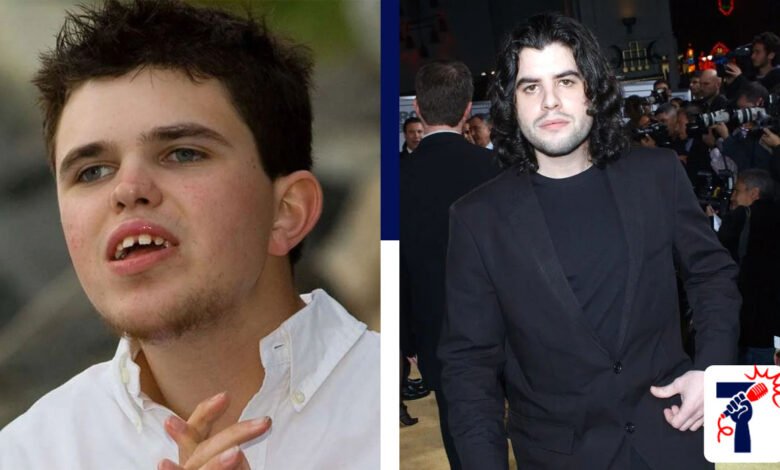
Seargeoh Stallone is the second son of famous Hollywood actor Sylvester Stallone. Born in 1979, his life took a different path from his father’s bright career when he was found to have autism at the young age of three. Unlike his famous father who is known around the world for movies like Rocky and Rambo, Seargeoh chose to live a quiet and private life away from cameras and the media.
Detailed Bio Table
| Category | Details |
|---|---|
| Full Name | Seargeoh Stallone |
| Nickname | Seth |
| Date of Birth | May 17, 1979 |
| Age | 46 years old (as of 2026) |
| Place of Birth | Los Angeles, California, USA |
| Father | Sylvester Stallone |
| Mother | Sasha Czack |
| Siblings | Sage Stallone (brother, passed away 2012), Sophia Rose Stallone (half-sister), Sistine Rose Stallone (half-sister), Scarlet Rose Stallone (half-sister) |
| Health Condition | Autism (diagnosed at age 3) |
| Known For | Appearing in Rocky II (1979) |
| Current Status | Living privately with family |
Early Life and Family Background
Seargeoh Stallone was born in 1979 in the United States to Sylvester Stallone and Sasha Czack. He grew up in a family deeply connected to Hollywood. His father, Sylvester Stallone, is one of the biggest action movie stars in the world, while his mother Sasha Czack was an actress and director.
Seargeoh Stallone has a brother named Sage Stallone who followed their father’s path by becoming an actor, director, and film producer. Sadly, Sage passed away in 2012 at the age of 36. Seargeoh also has three younger half-sisters from his father’s marriage to Jennifer Flavin: Sophia Rose, Sistine Rose, and Scarlet Rose Stallone.
The Autism Diagnosis
When Seargeoh was a quiet boy growing up, by age three, his parents became worried about his silence and took him to the hospital, where doctors confirmed that he had autism. This was a very difficult moment for the family.
The signs began to show when Seargeoh posed for the cover page of People magazine with his father. Sylvester quickly noticed that something was different about his son’s behavior. Seargeoh had started repeating words and had trouble walking. However, he could draw, write letters and repeat certain words at an early age.
Sasha Czack, his mother, shared their reaction saying they both broke down when they learned about the diagnosis. It was a heartbreaking time for both parents who had to face a difficult reality about their son’s future.
His Parents’ Decision to Care for Him at Home
When Seargeoh Stallone’s parents received advice from many people to place their son in a special medical facility, Sylvester Stallone refused the suggestion and chose to care for their son at home. He believed that no special care would be better than the home environment and family.
The couple decided to adjust their daily lives to meet Seargeoh’s needs, making sure that he got homeschooled while going through therapy sessions. This was not an easy decision, but both parents believed it was the right choice for their son.
Sasha explained that she knew Sylvester couldn’t get as involved because of his work, so she took on most of the daily care responsibilities. Despite his busy film career, Sylvester did his best to spend time with his son and support the family.
Progress and Improvement
The hard work and love from his family brought positive results. By the time Seargeoh was ten years old, his speech and ability to move had slowly improved as he learned to live life differently. This showed that the decision to keep him at home with family support was making a real difference in his development.
Homeschooling and therapy sessions helped, and by the time Seargeoh turned ten, his mobility and speech improved. While autism is not something that can be “cured,” Seargeoh’s family helped him learn ways to communicate better and become more independent.
His Only Acting Role
Seargeoh Stallone made his acting debut in the sports drama film Rocky II, which was released in 1979. In this movie, he played the role of Robert “Rocky” Balboa Jr., the newborn baby of Rocky and Adrian Balboa. This was a very small role, but it became his only appearance in any film.
After he was diagnosed with autism in 1982 at the age of three, his acting career came to a complete stop. Unlike his father and older brother, Seargeoh’s health condition did not allow him to continue in the entertainment world.
In 1982, he also appeared on a magazine cover alongside his mother, father, and brother. After that, Seargeoh did not make any more public appearances.
The Stallone Family’s Support for Autism Research
The Stallone family did not just focus on caring for Seargeoh. They also wanted to help other families facing similar challenges. The Stallone family set up a research fund to support the National Society for Children and Adults with Autism.
The two film premieres of “Staying Alive” and “Rhinestone,” along with donations and fundraising events, raised around a million dollars. This money helped support research and programs for children and adults living with autism.
Sylvester used his fame to bring attention to this important cause. He said that Sasha did the hard, daily work while he used his films to organize premieres that raised money for the research fund.
Parents’ Divorce
On February 14, 1985, Seargeoh’s parents decided to separate during the challenges related to his autism. The marriage ended after 11 years together. However, this did not change their commitment to their son.
Even after their divorce, Sylvester and Sasha continued to give their son love and care. Both parents remained involved in Seargeoh’s life and worked together to provide him with the best possible support and treatment.
Sylvester Stallone’s Love for His Son
Despite living separate lives due to Sylvester’s career, the famous actor has always spoken with love and honesty about his son. Sylvester once said there is no regular father-and-son relationship there, and that he has to become his son’s playmate.
This honest statement shows that Sylvester accepts the reality of his son’s condition while still finding ways to connect with him. He does not pretend it is easy, but his love for Seargeoh is clear.
Conclusion
Seargeoh Stallone’s life story is one of strength, family love, and choosing privacy over fame. Born into one of Hollywood’s most famous families, he faced early challenges with autism. His parents made brave choices to care for him at home and give him the best life possible. Today, at 46 years old, Seargeoh lives quietly with his family’s support and protection. His story reminds us that every person’s path is different, and that family love and respect matter more than being famous.
Frequently Asked Questions
1. Is Seargeoh Stallone still alive?
Yes, Seargeoh Stallone is alive and is 46 years old as of 2026. He lives a private life away from the public and media.
2. What condition does Seargeoh Stallone have?
Seargeoh Stallone was diagnosed with autism when he was three years old. His family has supported him throughout his life with therapy and care at home.
3. Did Seargeoh Stallone act in any movies?
Yes, he appeared in only one movie, Rocky II (1979), where he played baby Rocky Balboa Jr. This was his only acting role because of his autism diagnosis shortly after.
4. Why is Seargeoh Stallone not in “The Family Stallone” show?
Seargeoh prefers to live privately and stay away from cameras and media. His family respects his choice and does not include him in their public appearances or TV shows.
5. Where does Seargeoh Stallone live now?
Seargeoh lives privately with his family, reportedly in the Stallone family’s La Quinta mansion in California. His exact living situation is kept private to protect him.
See more amazing Information visit Fact News


