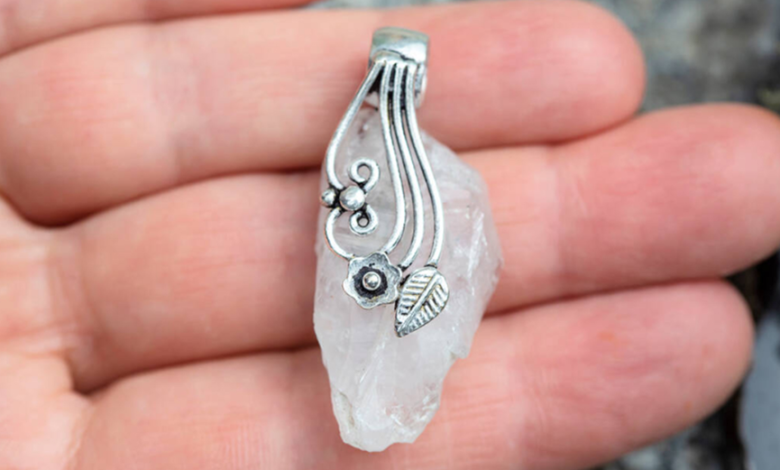
I once spent hours meticulously carving a piece of jade, only to ruin it when my chisel slipped. It was in that moment that I realized: no matter how skilled one is, perfection is impossible without the right tools. For years, I believed that any microscope would suffice, but I was completely wrong. Carving with a flat laboratory microscope is like painting a portrait through a keyhole—flat, misleading, and wasteful.
What is truly indispensable is a stereo microscope. It’s like a fundamental shift from blindly guessing the tool’s trajectory to being able to precisely control its landing point. Next, we will delve into why this change holds revolutionary value for anyone who specializes in gemstone carving or precision metal craftsmanship.
Why Ordinary Microscopes Make Carving Hard
Let’s analyze it objectively and practically. Many people think that a microscope is just a microscope, but if you want to use a standard biological microscope (the type commonly used in ordinary laboratories) for sectioning operations, you will soon encounter technical obstacles. The specific reasons are as follows:
1. Lack of depth perception function
This type of microscope can only present two-dimensional images. When carving three-dimensional petal shapes on agate, if the operator cannot observe the surface’s elevation, it is extremely easy to fail the carving. Since the operator cannot determine the true depth of the gemstone under the carving tool, they may either carve too shallowly, resulting in the loss of details, or directly chisel through the edge structure.
The working space is too small
The working distance of a standard microscope is extremely short, with the objective lens almost touching the sample surface. If one attempts to insert a rotary handle or a small chisel into this area, it will only result in the objective lens colliding. Such an operation is not only frustrating and reduces efficiency, but also turns a smooth and creative workflow into a tense and confrontational process.
3. The depth of field is too shallow
The sculptural work is not flat but possesses a three-dimensional structure with undulations. If an ordinary lens is used to focus on the “ridge” at the top, the area at the bottom of the sculpture will become blurred, necessitating refocusing every two seconds. This not only disrupts the creative rhythm but also distracts attention.
How a Stereo Microscope Gives You Perfect Control?
When switching to a stereo microscope, it feels as if the visual fog is instantly lifted. Unlike the commonly used planar microscopes in the laboratory, it can present a natural binocular visual effect-generating a true three-dimensional image through two independent optical paths. Observing through the lenses, not only can the depth of grooves and the curvature of gemstones be clearly distinguished, but also the relative position of the tool tip and the surface can be accurately determined. This technology perfectly replicates the human natural visual system, only magnifying the field of view several times. This “stereo” vision is the core key to precise operation. The following are the main advantages that make it the choice for comprehensive equipment upgrades:
1. Ample operating space:
The distance between the objective lens and the workpiece is sufficient to accommodate an entire hand, a carving knife, a grinding wheel, and even a small vacuum cleaner, eliminating the need to operate in an unnatural bent posture.
2. Excellent depth of field performance:
Whether it’s a high-domed structure or a deeply cut rough opal, it can maintain clear focus simultaneously. This feature allows you to smoothly handle complex textures without frequently adjusting the focus.
3. Improved ergonomic design and operational precision:
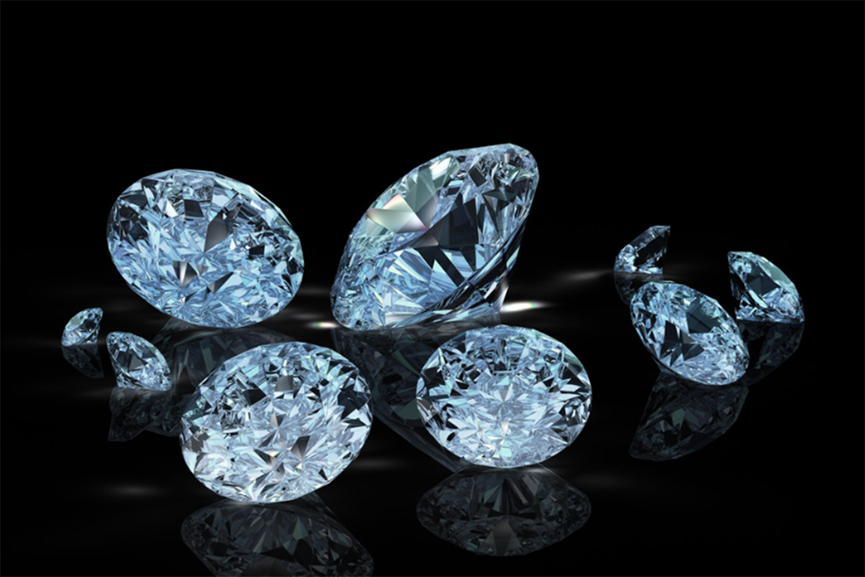
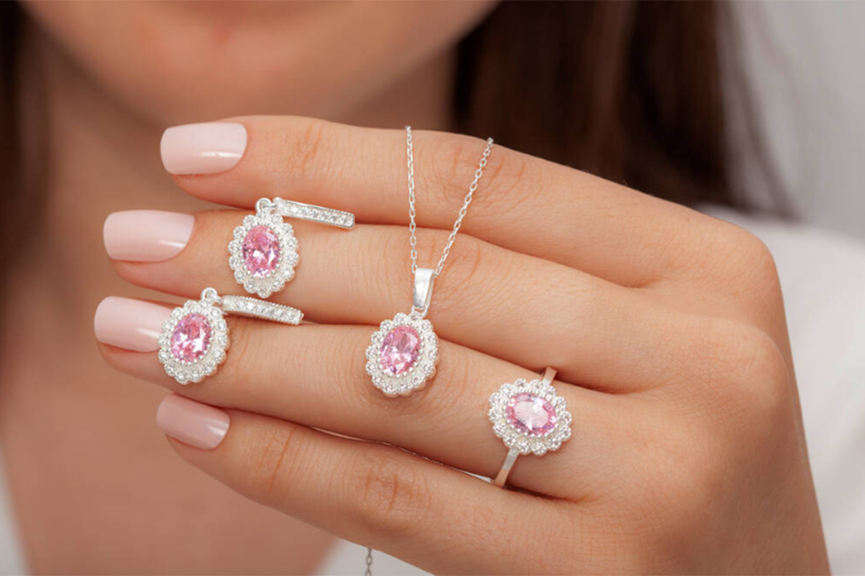
When setting up your work area, you will find that a high-quality stereo microscope allows you to maintain a correct sitting posture without having to lean your neck forward, and allows your hands to move freely and flexibly. Especially in gemstone inlaying or micro-inlaying craftsmanship, when it comes to accurately covering tiny metal beads on the surface of micron-sized gemstones, its imaging clarity is top-notch in the industry. You can even detect the details of cracks in mixed diamonds before inlaying, thus avoiding the risk of subsequent gemstone detachment.
My Favorite Stereo Microscope Setup
After multiple tests with different configurations, I finally found the equipment that suits me best. The recently purchased stereo microscope is an ideal companion for jewelry processing. Its optical system boasts excellent clarity, and what I appreciate most is its telescopic stand – when it comes to visually inspecting gemstones, the entire microscope can be easily moved aside, and then quickly reset and maintain precise focus. Such equipment is like a “must-have” artifact that becomes indispensable once owned. In the process of deep carving, a stable and reliable microscope system is particularly important, as it ensures clear focus during delicate operations.
Why I’ll Never Go Back to a Magnifying Glass
It’s quite strange to say, but after being a technician for twelve years, I spent the first three years squinting and observing with a jeweler’s magnifying glass until my eyes twitched, at which point I realized something was wrong. When I switched to a stereo microscope later, the experience was like upgrading from an old clamshell phone to a smartphone. The first time I used it to clean the engraved patterns on a silver ring, I could clearly feel the subtle changes in the movement of metal grains under the engraving knife. It was no longer a rigid line, but a precisely controlled three-dimensional texture. Not only did the precision double, but the waste material was also reduced by half. To be honest, without this equipment, I really don’t know how to work anymore.
Wrapping It Up
If you have a deep passion for gemstone cutting techniques, jewelry carving, or any intricate metal craftsmanship, avoid choosing tools that significantly increase the difficulty of your work. A stereo microscope is not an optional accessory; it serves as a crucial link between exquisite craftsmanship and professional high-end detail processing. It not only protects your eyesight and saves material costs, but also makes the entire creative process enjoyable and smooth. When you observe and operate in real-time with a three-dimensional perspective, every cut is filled with craftsmanship, every line is precise and accurate, and those regrettable mistakes will be a thing of the past.
If you’re passionate about jade carving or fine metalwork, a high-quality stereo microscope will not only protect your eyesight and minimize material waste, but also give you a sense of control with every cut. Once you’ve tried it for yourself, you’ll discover that its value far exceeds your expectations.
See more amazing Information visit Fact News