Beyond the Glass: How Lowering Your Window U-Values Can Drastically Reduce Your Annual Heating Costs

Introduction to Window U-Values
In the quest for energy efficiency, one term frequently surfaces: U-value. This measure is crucial when assessing the thermal performance of windows, as it indicates how well a building element can resist heat transfer. With rising energy costs and increasing environmental concerns, understanding and lowering window U-values has become essential for homeowners and builders alike.
Understanding U-Values and Their Importance
U-values quantify the rate of heat transfer through a specific building element. Measured in watts per square meter per degree Celsius (W/m²K), lower U-values signify better insulating properties. For instance, a window with a U-value of 1.0 W/m²K allows less heat to escape than one with a U-value of 2.0 W/m²K.
The significance of U-values extends beyond mere numbers; they directly impact energy consumption, indoor comfort, and overall environmental footprint. By focusing on reducing these values, homeowners can enhance their living environment while also contributing positively to energy conservation efforts.
How U-Values Affect Energy Efficiency
Windows are often described as the “weak link” in a building’s thermal envelope due to their tendency to lose heat more rapidly than walls or roofs. Therefore, the U-value is a central component in understanding energy efficiency.
1. Heat Loss: High U-values lead to increased heat loss during winter months, resulting in higher heating demands.
2. Energy Consumption: A direct correlation exists between high U-values and increased energy consumption, as heating systems must work harder.
3. Comfort Levels: Poorly insulated windows can create uncomfortable drafts and fluctuating indoor temperatures, impacting overall comfort.
By prioritizing low U-values, homeowners can significantly improve the energy efficiency of their homes, leading to lower heating costs and enhanced comfort.
The Role of Materials in U-Value Reduction
The materials used in window construction play a pivotal role in determining their U-values. Some key materials that contribute to lower values include:
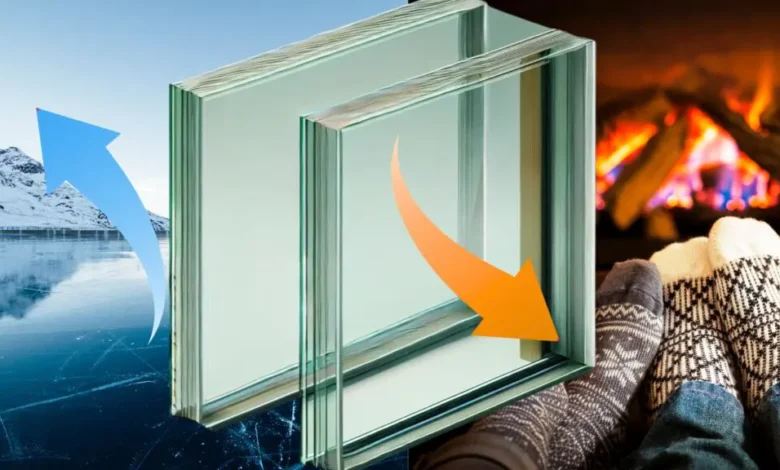
1. Multi-Layer Glazing: Double or triple glazing systems trap air or gas between panes, enhancing insulation.
2. Low-E Coatings: These microscopic coatings reflect heat back into the room while allowing natural light to enter.
3. Thermal Breaks: Using materials with low thermal conductivity can prevent heat from escaping through frames.
For example, Wolfline Aluminium Windows incorporate advanced glazing techniques and innovative materials that provide exceptional thermal performance while ensuring aesthetic appeal.
The Impact of Proper Installation
Even the best windows with low U-values can fail to perform adequately if not installed correctly. Proper installation ensures that:
1. Air Leakage is Minimized: Gaps around windows can allow cold air in and warm air out.
2. Moisture Management is Effective: Proper sealing prevents moisture build-up that could compromise insulation.
3. Structural Integrity is Maintained: Correct installation preserves the window’s efficiency over time.
Investing in professional installation can be as crucial as selecting quality windows themselves.
Benefits of Lowering U-Values on Heating Costs
Lowering window U-values leads directly to reduced annual heating costs. This translates into several tangible benefits for homeowners:
1. Cost Savings: A home with lower energy demands will incur lower monthly utility bills.
2. Increased Property Value: Energy-efficient homes are increasingly desirable in the real estate market.
3. Environmental Impact: Reduced energy consumption contributes to lower carbon footprints and supports sustainability efforts.
Homeowners who take proactive steps towards lowering their windows’ U-values will find themselves reaping financial rewards alongside environmental benefits.
Case Studies: Real-World Examples
To illustrate the impact of lowering window U-values, consider two case studies:
1. A family home in Ontario replaced its single-glazed windows with triple-glazed Wolfline Aluminium Windows featuring low-E coatings. Following installation, they reported a 30 percent reduction in heating costs over one winter season.
2. A commercial building in London upgraded its windows from standard double-glazing to high-performance units with enhanced thermal breaks and inert gas fillings between panes. This change resulted in significant reductions in both heating expenses and overall energy consumption across the facility.
These examples showcase how informed decisions regarding window selection can lead to substantial savings and improved comfort.
Choosing the Right Windows for Your Home
When selecting new windows, several factors should be considered:
1. Glazing Type: Choose between single, double, or triple glazing based on climate conditions and budget.
2. Frame Material: Consider materials that offer low thermal conductivity such as vinyl or high-performance aluminium like that found in Wolfline Aluminium Windows.
3. Energy Ratings: Look for windows that meet or exceed ENERGY STAR ratings to ensure optimal performance.
By focusing on these elements, homeowners can make educated choices that align with their goals for efficiency and cost savings.
Wolfline Aluminium Windows: A Sustainable Choice
Wolfline Aluminium Windows stand out not only for their aesthetic appeal but also for their commitment to sustainability and energy efficiency. These windows are designed with advanced engineering techniques that ensure exceptional insulation properties without compromising style or durability.
With features such as multi-chambered designs and low-emissivity coatings, Wolfline products provide an ideal solution for homeowners aiming to lower their window U-values effectively while enhancing their home’s overall performance.
Strategies for Lowering Window U-Values
To achieve lower window U-values effectively, consider implementing the following strategies:
1. Upgrade Existing Frames: Retrofitting existing frames with insulation kits can improve their thermal performance without complete replacement.
2. Utilize Weatherstripping: Applying weatherstripping around window edges helps prevent drafts and increases insulation.
3. Invest in High-Performance Glazing: Consider replacing outdated glass with modern options designed specifically for superior thermal resistance.
By employing these strategies, homeowners can take actionable steps toward significantly improving their home’s energy efficiency while simultaneously reducing heating costs.
Through awareness and proactive measures regarding window U-values, homeowners can create comfortable living environments while making impactful contributions towards energy conservation efforts at large.
READ ALSO: How Electrical Upgrades Improve Energy Efficiency in Wandsworth Homes