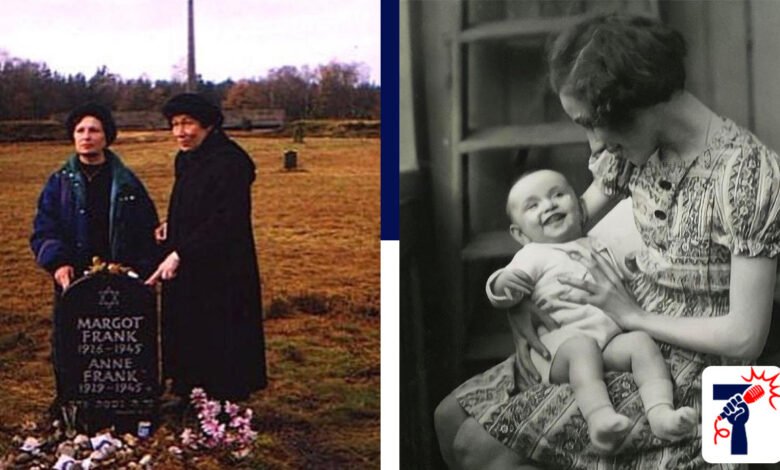
Gabi Goslar was a Holocaust survivor who lived through one of the darkest times in human history. Born in 1940 in Amsterdam, she was the younger sister of Hannah Pick-Goslar, who was a close childhood friend of Anne Frank. Gabi lost her parents during World War II and spent time in the terrible Bergen-Belsen concentration camp when she was just a small child. She survived against all odds and later moved to Israel, where she became a teacher and raised her own family. Her story shows us the strength of the human spirit and reminds us why we must never forget what happened during the Holocaust.
Biography Table
| Detail | Information |
|---|---|
| Full Name | Rachel Gabriela Ida Goslar |
| Nickname | Gabi, Gigi, Rali (in Israel) |
| Date of Birth | October 25, 1940 |
| Place of Birth | Amsterdam, Netherlands |
| Father | Hans Yitzkhak Goslar |
| Mother | Ruth Judith Klee |
| Older Sister | Hannah Elisabeth Pick-Goslar |
| Religion | Jewish |
| Concentration Camp | Bergen-Belsen (1944-1945) |
| Years in Camp | 14 months |
| Moved to Israel | 1949 |
| Profession | Teacher |
| Place of Residence | Petach Tikvah, Israel |
| Memoir | “I Have to Tell Someone” (2010) |
| Date of Death | 2017 |
| Age at Death | 77 years old |
Early Life and Family Background
Gabi Goslar came from a respected German-Jewish family. Her father, Hans Goslar, worked as a high-ranking government official in Berlin before the Nazis came to power. Her mother, Ruth Judith Klee, was a teacher. When Adolf Hitler and the Nazi party started making life dangerous for Jewish people in Germany, the Goslar family decided to leave their home country.
The family first moved to London and then settled in Amsterdam, Netherlands, in 1933. They hoped to find safety and peace in their new home. In Amsterdam, they lived close to the Frank family, and Gabi’s older sister Hannah became best friends with Anne Frank. The two families shared meals together and the children played in the same neighborhood. Life seemed normal for a while, but everything changed when the Nazis invaded the Netherlands in 1940.
The Tragic Loss of Her Parents
Gabi’s life took a very sad turn when she was only two years old. In October 1942, her mother Ruth died while giving birth to a third child. The baby also did not survive. This left her father Hans to care for both Gabi and her older sister Hannah by himself during a very dangerous time.
Hans Goslar tried everything to protect his daughters. He got Paraguayan passports for the family, hoping these special papers would keep them safe from being sent to concentration camps. Sadly, this plan did not work for long. Hans Goslar died in Bergen-Belsen on February 25, 1945, just weeks before the war ended. Gabi was only four years old when she became an orphan.
Life in Bergen-Belsen Concentration Camp
In June 1943, Nazi soldiers arrested Gabi, her father, her sister Hannah, and their grandparents. They were first sent to Westerbork, a transit camp in the Netherlands. In February 1944, the family was moved to Bergen-Belsen concentration camp in Germany. Gabi was just three years old when she arrived at this terrible place.
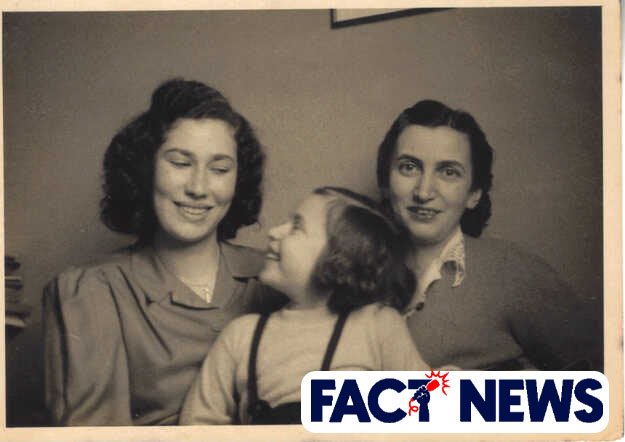
Bergen-Belsen was a place of hunger, sickness, and death. Thousands of people died there from diseases like typhus and from not having enough food. Hannah, who was only 15 years old at the time, took care of her little sister Gabi. She made sure Gabi ate whatever small amounts of food they received. Hannah’s love and protection helped Gabi survive the 14 months they spent in the camp. It was at Bergen-Belsen that Hannah had a brief meeting with Anne Frank through a barbed wire fence, shortly before Anne died.
Survival and Freedom: The Lost Train
In April 1945, as Allied soldiers came closer to Bergen-Belsen, the Nazis put prisoners on trains to move them away from the camp. Gabi and Hannah were placed on what became known as the “Lost Train.” This train traveled around Germany for about two weeks with no clear destination. The prisoners had almost no food or water during this horrible journey.
Soviet soldiers finally stopped the train near the town of Tröbitz in Germany. Gabi and Hannah were free at last, but they were very sick and weak. Both sisters had typhus, a dangerous disease. American soldiers helped register them, and the sisters eventually returned to Amsterdam. Hannah had to stay in the hospital for months to recover. Later, the sisters went to Switzerland to stay with relatives and finish healing from their terrible experiences.
Starting a New Life in Israel
Hannah moved to Israel (then called Palestine) in 1947. Gabi joined her sister a few years later in 1949, when she was nine years old. The young nation of Israel became a new home for many Holocaust survivors who wanted to rebuild their lives in a place where they could feel safe and welcome.
In Israel, Gabi was called “Rali,” a short form of her middle name Racheli. She worked hard to build a normal life. She studied and became a teacher, helping young children learn and grow. Gabi married a man with the last name Mozes and settled in the city of Petach Tikvah. She raised her own family and found peace after so many years of suffering.
Her Connection to Anne Frank’s Story
Gabi Goslar has a special place in Holocaust history because of her family’s connection to Anne Frank. Her sister Hannah was one of Anne’s closest friends during their childhood in Amsterdam. The two girls went to school together, celebrated birthdays, and shared secrets like normal children do.
When Anne Frank’s diary was published in 1947, it became famous around the world. Hannah was mentioned in the diary by her nickname “Lies.” Anne wrote about dreaming of Hannah and feeling worried about her friend. This connection meant that Gabi’s family story became part of the larger Anne Frank story. Through her sister Hannah’s work telling people about Anne Frank, Gabi’s experiences also became known to many people who study the Holocaust.
Writing Her Memoir: “I Have to Tell Someone”
For many years, Gabi lived a quiet and private life in Israel. She focused on her family and her work as a teacher. But in 2010, she decided to share her story with the world by publishing her memoir called “I Have to Tell Someone.”
In this book, Gabi wrote about what it was like to be a very young child during the Holocaust. She described the hunger, the fear, and the loss she experienced. She also wrote about hope and survival. Her memoir became an important tool for teaching people about the Holocaust, especially young students. Gabi wanted to make sure that the children who did not survive would never be forgotten.
Her Later Years and Legacy
Gabi returned to Germany once for a very special event. She attended the placing of “Stolpersteine” or stumbling stones near her parents’ former home. These small brass blocks in the ground honor the memory of Holocaust victims. This moment was both sad and meaningful for Gabi as she remembered her lost family.
Gabi Goslar passed away in 2017 at the age of 77. Her sister Hannah continued to speak about the Holocaust and Anne Frank until her own death in October 2022 at age 93. Together, the Goslar sisters helped keep the memory of the Holocaust alive for new generations. Gabi’s story teaches us about the strength of family bonds, the importance of hope, and why we must always fight against hatred and prejudice.
Conclusion
Gabi Goslar’s life story is both heartbreaking and inspiring. She lost her parents as a young child and survived the horrors of Bergen-Belsen concentration camp. Despite all her suffering, she built a new life in Israel, became a teacher, and raised a family. Her memoir “I Have to Tell Someone” ensures that her experiences and the memory of the Holocaust will never be forgotten. Gabi reminds us that even in the darkest times, hope and love can help us survive.
Frequently Asked Questions (FAQs)
1. Who was Gabi Goslar?
Gabi Goslar was a Holocaust survivor born in Amsterdam in 1940. She was the younger sister of Hannah Pick-Goslar, who was a close friend of Anne Frank. Gabi survived Bergen-Belsen concentration camp and later moved to Israel where she became a teacher.
2. How was Gabi Goslar connected to Anne Frank?
Gabi’s older sister Hannah was one of Anne Frank’s best childhood friends. The Goslar and Frank families lived near each other in Amsterdam. Hannah even met Anne briefly at Bergen-Belsen before Anne died, making Gabi’s family an important part of Anne Frank’s story.
3. Did Gabi Goslar write a book about her experiences?
Yes, Gabi published her memoir “I Have to Tell Someone” in 2010. In this book, she shared her experiences as a child survivor of the Holocaust and honored the memory of those who did not survive.
4. When did Gabi Goslar die?
Gabi Goslar passed away in 2017 at the age of 77. She had lived a full life in Israel, working as a teacher and raising her family before her death.
See more amazing Information visit Fact News