

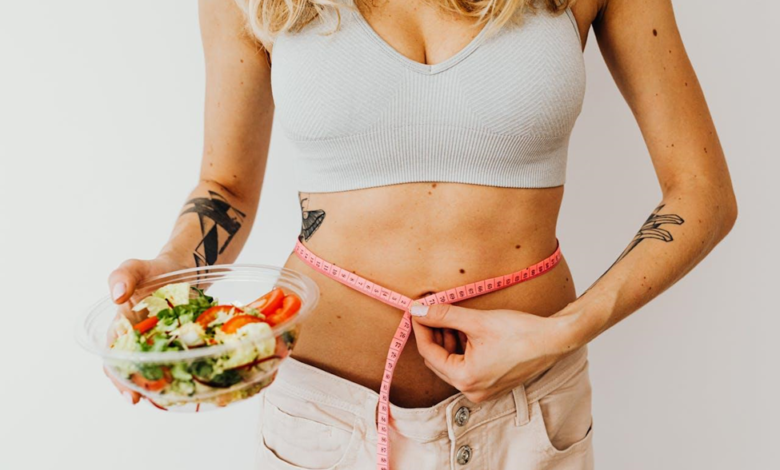
Boost your metabolism with simple habits like thermal stress, NEAT, and better sleep. Learn how to burn fat more efficiently without extreme dieting.
Stop looking at fat loss as a gruelling marathon and start viewing it as a series of metabolic “hacks.” Your body isn’t a stubborn machine; it’s an adaptive system. When you tweak your daily environment and habits, you shift from storing energy to burning it. You don’t need to live in the gym to see results. Instead, focus on these sustainable wellness habits that prime your internal furnace.
Hydrate with a Purpose
Water is the most underrated metabolic trigger. Most people walk around chronically dehydrated, which slows down every cellular process, including lipolysis (the breakdown of fats). Drinking cold water, in particular, forces your body to expend energy just to bring that liquid up to core temperature.
Try the “500ml Rule”: drink half a liter of water immediately upon waking and again thirty minutes before every meal. This doesn’t just kickstart your metabolism; it naturally reduces caloric intake by creating a sense of fullness. If you’re looking for comprehensive weight-loss solutions in Guelph, you’ll find that experts consistently rank hydration as the foundation of any successful plan.
Master the Art of NEAT
Non-Exercise Activity Thermogenesis (NEAT) accounts for a much larger portion of your daily energy expenditure than your actual workout. NEAT includes everything from pacing while on a phone call to choosing the stairs over the elevator.
If you sit at a desk all day, your metabolism enters a “sleep mode.” To counter this, set a timer for every 50 minutes to perform two minutes of air squats or a brisk walk around the office. These tiny bursts of movement keep your insulin sensitivity high, ensuring that the food you eat is used for fuel rather than sent straight to fat storage.
Optimize Your Sleep Hygiene
You cannot burn fat efficiently if you are sleep-deprived. Lack of sleep spikes cortisol—the stress hormone that screams at your body to hang onto belly fat for “survival.” It also wreaks havoc on ghrelin and leptin, the hormones that control hunger and satiety.
When you get less than seven hours of shut-eye, your brain actively craves high-calorie, sugary foods to compensate for the energy dip. Prioritize a cool, dark room and disconnect from blue light an hour before bed. High-quality sleep is essentially a free, passive fat-burning session.
Embrace Thermal Stress
Exposing your body to temperature extremes is a powerful way to recruit “brown fat”—a type of adipose tissue that actually burns energy to generate heat. While cold showers get a lot of press, heat therapy is equally effective for metabolic health.
Regularly spending time in a sauna improves circulation and can mimic the cardiovascular effects of a moderate workout. Incorporating a session from a provider like Toronto Sauna Co. into your weekly routine helps flush out toxins and reduces the systemic inflammation that often stalls weight loss progress. The intense heat forces your heart to pump harder, increasing your metabolic rate long after you’ve stepped out of the heat.
Prioritize Protein and Fibre
Forget “dieting” and focus on “crowding out.” Instead of fixating on what to remove, focus on hitting your protein and fibre targets. Protein has a high thermic effect of food (TEF), meaning your body burns more calories digesting steak or lentils than it does digesting fats or simple carbs.
Fibre, on the other hand, stabilizes your blood sugar. When your blood sugar is stable, your insulin stays low. Since insulin is a storage hormone, keeping it at a baseline level is the “green light” your body needs to start tapping into stored body fat for energy. Aim for 30 grams of fibre a day to keep your digestion moving and your fat-burning engines humming.
The Power of Mindful Eating
The “how” is just as important as the “what.” Inhaling a sandwich while scrolling through emails triggers a stress response that impairs digestion. When you eat mindfully—chewing thoroughly and putting the fork down between bites—you allow your brain to receive the “fullness” signal from your gut. This simple habit prevents overeating and ensures your body is in a parasympathetic state, which is the optimal state for nutrient absorption and efficient energy use.
See more amazing Information visit Fact News
