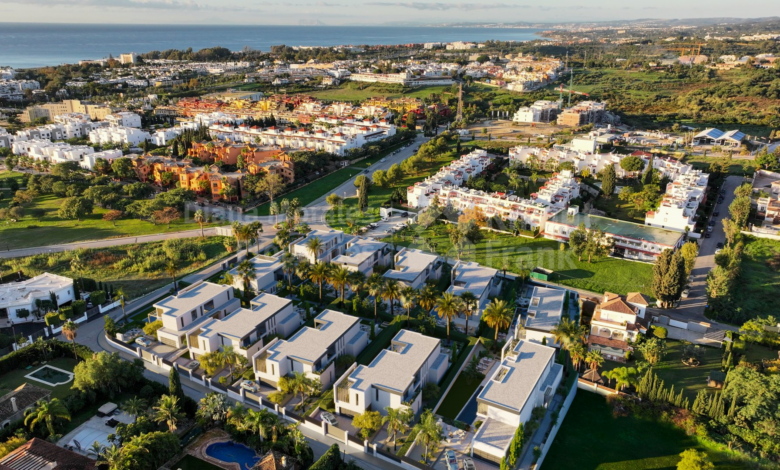
Spain’s latest housing construction figures show new build activity continuing to lag behind demand in several regions, a pattern that has persisted despite ongoing efforts to accelerate development approvals across the country. Agencies reporting on Marbella new build properties note that this national supply gap carries particular relevance given the region’s sustained popularity with both domestic and international buyers over recent years.
What the Figures Show
National construction data indicates new housing completions have continued running below the levels needed to meet current demand, a gap analysts attribute to a combination of planning approval timelines, construction material costs, and labour availability across the sector nationwide. This shortfall has been a persistent feature of the Spanish market rather than a temporary post pandemic disruption limited to a single year or region, and it shows every sign of continuing well into the coming years based on current planning and construction pipeline data.
How This Plays Out on the Costa del Sol
Within this national picture, the Costa del Sol has seen a meaningful volume of new development activity relative to some other regions, reflecting sustained developer confidence in the area’s demand fundamentals, though supply here too remains constrained relative to the level of interest from buyers across multiple international markets and demographic segments.
What This Means for Buyers
Persistent supply constraints generally support continued price resilience for existing new developments, and buyers considering new build purchases are increasingly advised to engage early in a development’s sales process rather than waiting until completion, given how frequently well located projects sell out ahead of their finish dates across the wider region and surrounding coastal towns.
For buyers weighing new build against resale properties, the calculation increasingly depends on priorities beyond price alone, new builds typically offer modern specification and lower initial maintenance, while resale properties in established areas offer more immediate availability and, often, more established neighbourhood character that some buyers genuinely prefer over a brand new but less proven location.
A Supply Gap Likely to Persist
Given the structural nature of the factors constraining new construction, planning timelines, costs, and labour, analysts generally expect this supply gap to continue rather than resolve quickly. For the Costa del Sol’s property market, that suggests continued support for values across both new build and resale segments, a relevant consideration for buyers weighing the timing of a purchase decision in the current environment and the years immediately ahead.
This persistent gap between supply and demand has also encouraged developers to explore alternative construction methods aimed at speeding up delivery, including modular and off site construction techniques that can reduce build times considerably compared with traditional methods, though these approaches remain a relatively small share of overall new development across the region so far, with most projects still relying on conventional building practices.
For buyers specifically weighing whether to commit now or wait for potentially improved supply conditions, industry analysts generally caution against waiting on the assumption that construction bottlenecks will resolve quickly, given how consistently the same structural factors, planning delays, material costs, skilled labour shortages, have persisted across multiple years of tracked data rather than showing signs of meaningful near term improvement across the sector as a whole.
Regional planning authorities have signalled some intent to streamline approval processes for qualifying developments, though the practical impact of these efforts on actual construction timelines remains to be seen, and most industry observers recommend buyers base decisions on current market conditions rather than anticipated future policy changes that have yet to materially affect the pace of new construction on the ground across the wider Costa del Sol region.