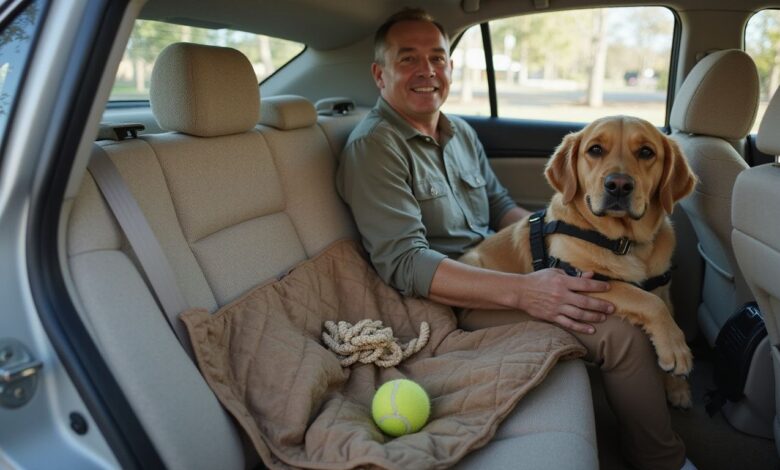
Traveling with pets can be tricky, especially if flying is not an option. Some flights may put your pet’s health at risk or have strict rules that make it hard to bring them along.
Thankfully, there are safe and stress-free alternatives for both you and your furry friend. Keep reading to explore these options!
Why Flying May Not Be an Option for Pet Owners
Flying with pets can be hard and stressful. Some situations make it unsafe or impossible for them to travel by air.
Health concerns for pets during flights
Pets can face serious health risks during flights. Changes in air pressure inside the cabin may cause breathing issues, especially for brachycephalic breeds like Bulldogs and Pugs.
Extreme temperatures in cargo areas might also put pets at risk of heatstroke or hypothermia. Older animals, sick pets, or those with heart problems could struggle to handle these situations. Long travel hours without proper care may lead to dehydration or anxiety-related behaviors.
Airline restrictions and policies
Airline restrictions and policies can affect pet owners in various ways. Many rules are in place to ensure safety but can limit travel options.
| Aspect | Details |
| Breed Restrictions | Some airlines refuse specific breeds, such as snub-nosed dogs. These breeds often face breathing issues during flights. |
| Weight Limitations | Pets over certain weights may have to travel as cargo. This can increase costs and stress for owners. |
| Cabin Rules | Most carriers only allow small pets in the cabin. The pet must fit in an airline-approved carrier under the seat. |
| Health Documentation | Airlines require vet certificates. These often need to confirm vaccinations and fitness to fly. |
| Costs | Pet travel fees vary, ranging from $75 to $500 depending on the airline and type of transport. |
| Temperature Restrictions | If the weather is too hot or cold, airlines may deny pet travel. This is to protect against temperature-related health issues. |
| Pet Quotas | Limited spots are available for pets on some flights. Booking early is often necessary. |
| International Travel | Extra rules apply for international flights. These include quarantine policies and additional documents. |
Stress and anxiety for pets while traveling
Strict rules on flights can make pets feel uneasy. Loud noises, new surroundings, and being confined for hours may create stress.
Long travels may cause anxiety in dogs or cats. They might hide, pant heavily, or refuse to eat. Using dog daycare in Vancouver before a trip could help ease their tension by keeping them active beforehand.
Ground Transportation Options for Pet Owners
Driving is a great way to travel with your pet. There are also other safe and convenient transport services for pets.
Road trips with personal vehicles
Taking a road trip with your pet can be a fun and flexible option. It allows you to travel at your own pace while keeping your pet close.
- Plan stops every 2-3 hours for bathroom breaks and exercise. This helps keep your pet calm and comfortable.
- Use a pet seat belt or crate for safety during the drive. Proper restraints protect pets in case of sudden stops.
- Pack enough food, water, and supplies for the journey. Include bowls, toys, medications, and waste bags.
- Research pet-friendly hotels along the route in advance. Many hotels allow pets but have specific rules or fees.
- Keep windows slightly open if it’s safe to do so for fresh air inside the car. Never leave pets alone in hot or cold cars.
- Bring medical records and vaccination proof if traveling across state lines or borders.
- Play soft music to help soothe anxious pets during long drives.
- Avoid feeding large meals right before departure to prevent motion sickness.
- Map out veterinary clinics nearby in case of emergencies.
- Ensure proper identification on your pet’s collar and microchip them if possible.
Professional pet transportation services
Sometimes, road trips are not possible. Professional pet transportation services offer a safe and reliable option for relocating pets. These companies use trained staff to handle animals with care during long-distance travel.
Most services provide climate-controlled vehicles to keep pets comfortable. They also manage feeding schedules and bathroom breaks. Some even offer GPS tracking so owners can monitor the journey in real-time. These options ensure your pet gets from point A to B stress-free.
Pet-friendly bus and train options
Pet owners often explore alternative travel methods. Buses and trains can be great for bringing pets along. Below is a breakdown of pet-friendly bus and train services:
| Transportation | Details | Key Tips |
| Amtrak (Trains) | Allows small pets on many routes. Pets must weigh under 20 pounds. Requires booking in advance. | Bring a well-ventilated pet carrier. Keep journey under seven hours for comfort. |
| Greyhound (Buses) | Does not allow pets, except service animals. | Check rules before planning a trip. Service animal documentation is required. |
| Regional Rail Services | Some local trains allow pets. Policies vary by region. Smaller pets are more commonly permitted. | Call ahead to confirm pet rules. Use a compact carrier if needed. |
| Pet-Focused Bus Companies | Specialized bus services offer pet-friendly options. These are less common but worth exploring. | Search for local companies online. Review service reviews for reliability. |
Train or bus travel can feel less stressful. Let’s explore other housing choices for pets during your absence.
Alternative Housing Solutions
Find safe and loving care for your pet while you’re away.
Trusted friends or family members
Ask a reliable friend or family member to care for your pet. Ensure they understand your pet’s needs, like feeding schedules or medications. Provide clear instructions and emergency contact details.
Leave enough food, toys, and supplies with them. Share any quirks of your pet, so they feel comfortable during your absence.
Professional pet sitters
Professional pet sitters offer a safe and caring option for pets. They come to your home or host pets at their place. These sitters provide food, water, exercise, and companionship.
Many are trained in pet care and first aid. This ensures safety if health issues arise. Hiring a sitter also keeps pets stress-free in familiar settings while owners are away.
Boarding facilities and pet hotels
Boarding facilities and pet hotels offer safe care for pets. They can provide comfort, attention, and activities while owners are away. Below are key details about these options:
| Feature | Description |
| Environment | Pets stay in cozy, secure spaces. |
| Daily Care | Staff provide food, water, and exercise. |
| Activities | Many offer playtime, grooming, and walks. |
| Special Needs | Some cater to pets with medical or dietary needs. |
| Monitoring | Staff supervise pets throughout the stay. |
| Availability | Options vary by location and price. |
Finding the right fit ensures your pet stays happy.
Virtual Connections While Away
Stay connected with your pet even when apart. Use tools to check in and see how they’re doing.
Using pet cameras to stay connected
You can stay connected with your pet even when you’re away. Pet cameras make this possible and simple.
- Many pet cameras let you view live video of your pet at home. They help check on their safety and well-being.
- Some cameras include two-way audio. You can talk to your pet, and they can hear your voice, which comforts them.
- A few models have treat dispensers built in. You can reward or calm your pet remotely by giving them a snack.
- Motion detection features alert you to unusual activity at home. This adds extra peace of mind when you’re away.
- Night vision ensures you see your pet clearly, even in the dark. It works well for late-night travelers or busy owners.
- Smartphone apps control most pet cameras easily from anywhere worldwide. These apps also send quick updates or alerts if needed.
- Regular interaction through the camera reduces separation anxiety for both pets and owners during trips or long days apart.
- Setting up a camera is quick and requires minimal effort or technical skills. Ensure it is placed where pets spend most of their time for full coverage.
Video calls with caretakers or pets
Pet cameras help monitor pets, but video calls add a personal touch. Caretakers can let you speak to your pet during the call. Pets may feel comforted hearing your voice.
This tool works well for dogs and cats that react to familiar sounds. A simple “hello” or happy tone can ease their stress. Coordinate times with caretakers for regular check-ins this way.
Preparing Your Pet for Alternatives
Help your pet feel safe by introducing them to new settings early. Pack their favorite items to keep them calm and happy.
Familiarizing pets with temporary environments
Pets can feel scared or nervous in a new place. Helping them feel safe is key to their comfort.
- Let pets explore the new space before leaving them there. This helps them get used to the smells and layout.
- Place familiar items, like their favorite toy or blanket, in the area. These give them a sense of home.
- Spend extra time with your pet in the temporary spot. They will associate it with safety and love.
- Keep their routine as normal as possible. Feed them and walk them at usual times.
- Introduce any caretakers slowly if possible. This can reduce stress for shy animals.
- Play calming music they enjoy or use white noise machines for soothing sounds.
- Offer treats during each visit to create positive memories in that environment.
- Watch how your pet reacts and adjust efforts if they seem uneasy or scared.
Packing essential items for comfort
Packing for your pet can make their time away much easier. Bring items that help them feel safe and cozy.
- Pack their favorite blanket or bed to remind them of home.
- Bring enough food and treats to last the entire time you’re away.
- Include their regular feeding bowls to maintain routine comfort.
- Carry toys they enjoy for playtime and relaxation.
- Keep a leash, harness, or carrier for safety during travel or walks.
- Add grooming tools like brushes if needed for long stays.
- Take any medications they need, along with instructions for caretakers.
- Provide up-to-date medical records for emergencies or boarding requirements.
- Prepare waste bags or litter supplies for easy cleanup wherever they stay.
Ensuring proper identification and medical records
Pets need proper preparation to stay safe and healthy. Ensure they have the right identification and up-to-date medical paperwork.
- Attach a sturdy ID tag to your pet’s collar. Include your name, phone number, and address.
- Microchip your pet for extra security. Keep the microchip information updated with current contact details.
- Carry copies of vaccination records. Airlines, boarding facilities, or sitters may ask for them.
- Confirm that your pet’s rabies shot is valid. Many places require proof of this vaccine.
- Bring records of ongoing treatments or medications. Caretakers can use this if needed.
- Pack a health certificate from your vet if traveling long distances. It proves your pet is fit for travel or staying in new environments.
- Take clear photos of your pet before the trip. If they get lost, these pictures will help in finding them easier.
- Update emergency contacts on all records and IDs. Include someone who can be reached while you are away.
Proper documents ensure your pet’s safety no matter where they stay!
Benefits of Exploring Alternatives
Choosing other options keeps pets calm and safe. It also gives owners more freedom to plan trips.
Reduced stress for pets and owners
Pets feel calmer in familiar spaces. Avoiding air travel reduces loud noises and sudden changes that can scare them. Owners also worry less about their pets’ health during flights.
Driving or staying home allows better control over the pet’s comfort. Pets stay close to loved ones, which keeps stress levels low for everyone involved.
More flexible travel arrangements
Choosing alternatives ensures less rushing and more control over schedules. Driving your own car allows stops for breaks, meals, or exercise with pets whenever needed.
Professional pet transportation services can pick up and drop off according to convenience. Pet-friendly buses or trains often have clear rules but allow travelers to plan trips better without strict airline schedules.
Conclusion
Traveling without flying can be easier for you and your pet. There are many safe and caring options to explore. Focus on what works best for your pet’s comfort and needs. Your effort will keep them happy while you’re away or traveling together!