GMP Isn’t Just for Pharma: Why Food and Nutra Producers Are Adopting the Same Standards

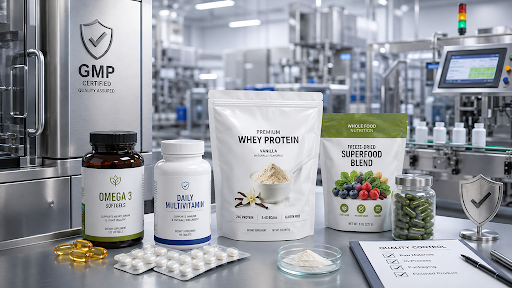
For decades, Good Manufacturing Practice—or GMP—was a term almost exclusively associated with the pharmaceutical industry. It conjured images of sterile cleanrooms, operators in full protective gear, and rigorous government oversight. Food and dietary supplement producers, by contrast, often operated under different, sometimes less demanding, guidelines. That line is now blurring rapidly. Across the UK and Europe, a growing number of food and nutraceutical companies are voluntarily embracing GMP-level standards, particularly when it comes to packaging their products. And the reasons go far beyond simply “being more careful.”
A Spillover of Trust
The modern consumer reads labels. They want to know not just what is inside a protein powder or a cold-pressed juice, but how it was handled before it reached their hands. A single contamination scare—whether it’s a piece of metal in a granola bar or an undeclared allergen in a supplement—can erase years of brand loyalty overnight. For a nutraceutical brand selling joint support capsules or probiotic gummies, a recall isn’t just a logistical headache; it can destroy the health claims that are the very foundation of the product. By adopting pharmaceutical-style GMP packaging protocols, food and supplement makers are buying something invaluable: consumer confidence that approaches the level of trust people place in prescription medicines.
The Practical Benefits: Less Waste, Fewer Headaches
GMP isn’t just about perception. It has a hard-nosed business case built on reducing loss. At its core, GMP in packaging means controlling the environment to prevent cross-contamination, maintaining equipment that is easy to clean and validate, and establishing procedures that are documented and repeatable. For a food manufacturer, this might mean switching from an open, manual filling process to a closed automatic system that shields product from the ambient air. The immediate result is often a measurable drop in foreign matter complaints and spoiled batches. For a nutraceutical producer, upgrading to GMP-friendly packaging machines can mean smoother audits by retailers and regulators, with fewer embarrassing non-conformance findings that delay shipments or knock products off shelves.
Consider the challenge of cleaning. A packaging machine designed with food-grade sanitation in mind might have polished welds, sloped surfaces, and quick-release parts for washdown. When a producer moves to that sort of equipment, the daily sanitation routine that used to take hours and require partial disassembly can shrink dramatically. That means more running time and less labor, a direct cost saving that pays for the machinery itself over time. This is one of the reasons even small-scale artisan producers of nut butters or loose-leaf teas are now looking for equipment that mirrors the hygienic design principles once reserved for pill factories.
Retailers and Export Markets Are Raising the Bar
External pressure is also a powerful driver. Major supermarket chains and online retailers have their own codes of practice that increasingly mirror GMP principles. A wholesale buyer inspecting a potential new supplier’s facility might ask to see not just the product, but the packing area. If that area has exposed conveyors, chipped paint, or filling nozzles that look difficult to sanitize, the deal can fall apart. By contrast, walking a buyer through a clean, well-organized packaging room where the machinery itself looks like it belongs in a hospital—all stainless steel, sealed bearings, minimal crevices—can close a sale.
The same goes for exports. A British protein bar manufacturer shipping to the Middle East or Southeast Asia will often face local regulatory requirements that are heavily influenced by pharmaceutical GMP codes. Having packaging equipment and documentation that already meet those high standards eliminates the need for costly retrofits or last-minute panic when a container is waiting at the port. Food safety isn’t just about the recipe; it’s about the integrity of the seal, the legibility of the date code, and the certainty that the product inside hasn’t been exposed to anything it shouldn’t have been.
It’s Not as Complicated (or Expensive) as It Sounds
A common misconception is that adopting GMP-style packaging requires a pharmaceutical company’s budget. While it’s true that some highly customized lines run into the millions, the principles can be applied incrementally. A company can start with a single critical piece of the puzzle—a filler for a supplement powder, for example, that is constructed with food-safe seals and validated controls—and build from there. The key is to select equipment that is designed for GMP compliance from the ground up, rather than trying to adapt a general-purpose machine that was never meant to handle anything but dry, inert goods.
The trend is clear. GMP is no longer just for pills and serums. It’s becoming a universal language of quality for anything that enters the human body. Food, vitamins, sports nutrition, even pet supplements—the companies that treat their packaging lines with the same seriousness as a pharma plant are the ones that grow faster, encounter fewer crises, and command premium shelf space. The standard is rising, and the market is rewarding those who rise with it.
For producers seeking packaging equipment that aligns with GMP principles, manufacturers like ruidapacking.com can provide machines designed to meet the hygiene and reliability demands of pharmaceutical, food and nutraceutical industries. Embracing these standards is less about chasing regulations and more about building a brand that never has to apologize for its quality.