Introduction
Modern pharmaceutical manufacturing depends on speed, precision, and consistency to meet growing market demands. While production capacity often receives the most attention, many manufacturers overlook the significant impact of packaging line changeover time. Every minute spent preparing equipment for a new product or batch directly influences production schedules, operational costs, and overall factory performance. Understanding how changeover time affects packaging efficiency enables manufacturers to optimize workflows and achieve greater productivity without compromising product quality.
Understanding the Importance of Changeover Time
Changeover time refers to the period required to switch a packaging line from producing one product to another. This process typically includes cleaning equipment, replacing molds, adjusting machine settings, conducting inspections, and verifying production quality before operations resume.
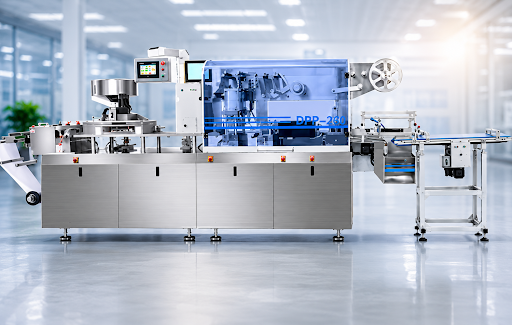
An efficient pharmaceutical blister packaging machine plays a vital role in minimizing changeover time by supporting quick mold replacement, accurate machine adjustments, and consistent packaging performance. Faster setup procedures allow manufacturers to return to full production sooner, improving operational efficiency while maintaining strict pharmaceutical quality standards.
Reducing changeover time is especially important for manufacturers handling multiple products or small production batches, where frequent equipment adjustments are necessary throughout the day.
How Changeover Time Influences Factory Output
Packaging lines are designed to maximize production capacity, but every interruption reduces the total number of products that can be completed during a shift. Long changeover periods decrease equipment utilization and increase production costs.
Several factors explain why efficient changeover procedures have a direct impact on factory output.
Increased Productive Hours
Shorter changeovers allow production lines to operate for longer periods, increasing the number of finished packages produced each day.
Better Equipment Utilization
Manufacturing equipment represents a significant investment. Reducing idle time ensures machines deliver greater value through higher operating efficiency.
Improved Delivery Performance
Faster production cycles enable manufacturers to meet customer deadlines more consistently while responding quickly to changing market demands.
Lower Operating Costs
Minimizing downtime reduces labor expenses, energy consumption, and production delays, contributing to improved profitability.
Common Causes of Packaging Line Downtime
Understanding the reasons behind lengthy changeovers helps manufacturers identify opportunities for improvement.
One common challenge involves manual mold replacement, which often requires careful alignment and multiple adjustments before production can resume. Older machinery may also require extensive calibration, extending setup times.
Cleaning procedures can further increase downtime, particularly in pharmaceutical environments where strict hygiene regulations must be followed between product batches.
Insufficient operator training also contributes to delays. Employees who lack standardized procedures may perform setup tasks inconsistently, leading to unnecessary interruptions.
In some facilities, poor production planning creates frequent product changes throughout the day, increasing the total amount of downtime across multiple packaging lines.
Strategies for Reducing Changeover Time
Improving packaging efficiency requires a combination of modern equipment, standardized procedures, and continuous process improvement.
Standardize Setup Procedures
Creating detailed operating procedures ensures every changeover follows the same sequence of steps. Standardization reduces variability and helps operators complete tasks more efficiently.
Invest in Modern Equipment
Advanced packaging machines are designed with quick change components, simplified controls, and automated adjustment systems that significantly reduce setup time.
Improve Operator Training
Well trained employees understand equipment functions, troubleshooting techniques, and best practices for efficient changeovers. Regular training improves confidence and reduces setup errors.
Organize Tools and Components
Keeping molds, spare parts, and adjustment tools properly organized allows maintenance teams and operators to complete equipment changes without unnecessary delays.
Schedule Production Strategically
Grouping similar products together reduces the number of required changeovers, allowing packaging lines to operate continuously for longer periods.
The Role of Blister Packaging in Pharmaceutical Manufacturing
Blister packaging remains one of the most widely used packaging methods within the pharmaceutical industry because it offers excellent product protection, accurate dosage organization, and improved patient convenience.
As pharmaceutical companies expand their product portfolios, packaging lines must accommodate different tablet sizes, capsule shapes, and packaging formats efficiently. Frequent product changes make rapid equipment setup increasingly important.
Manufacturers using advanced blister packaging systems benefit from faster mold replacement, automated parameter adjustments, and improved production consistency. These features support greater operational flexibility while maintaining compliance with strict industry regulations.
Efficient blister packaging also reduces material waste by ensuring accurate sealing, proper alignment, and consistent package quality throughout each production run.
Measuring Packaging Line Performance
Manufacturers seeking continuous improvement should monitor key performance indicators that reflect packaging efficiency.
Important metrics include changeover duration, machine utilization, production output, downtime frequency, product rejection rates, and overall equipment effectiveness.
Tracking these measurements allows production managers to identify recurring issues, evaluate improvement initiatives, and make informed decisions regarding equipment upgrades and process optimization.
Data driven performance management supports long term productivity improvements while helping manufacturers maintain competitive operations.
Future Trends in Packaging Line Efficiency
Automation continues to transform pharmaceutical manufacturing by simplifying equipment operation and reducing manual intervention. Modern packaging systems increasingly incorporate intelligent control software, predictive maintenance technologies, and digital monitoring capabilities.
These innovations enable manufacturers to detect potential equipment issues before failures occur, schedule maintenance more effectively, and optimize production planning.
Artificial intelligence and data analytics are also expected to improve packaging line performance by identifying opportunities to reduce downtime and increase operational efficiency.
As production demands continue to evolve, manufacturers that invest in flexible, efficient packaging technologies will be better positioned to respond quickly to market changes while maintaining high quality standards.
Conclusion
Efficient changeover management has become an essential component of modern pharmaceutical manufacturing. Reducing downtime improves equipment utilization, increases production capacity, lowers operating costs, and supports consistent product quality. Investing in standardized procedures, skilled operators, and advanced packaging technology enables manufacturers to achieve significant improvements in factory performance.
Selecting a reliable pharmaceutical blister packaging machine is one of the most effective ways to accelerate changeover processes and maximize packaging line productivity. As manufacturing continues to embrace automation and continuous improvement, organizations that prioritize efficient packaging operations will be well equipped to meet growing production demands while maintaining the highest standards of quality and operational excellence.