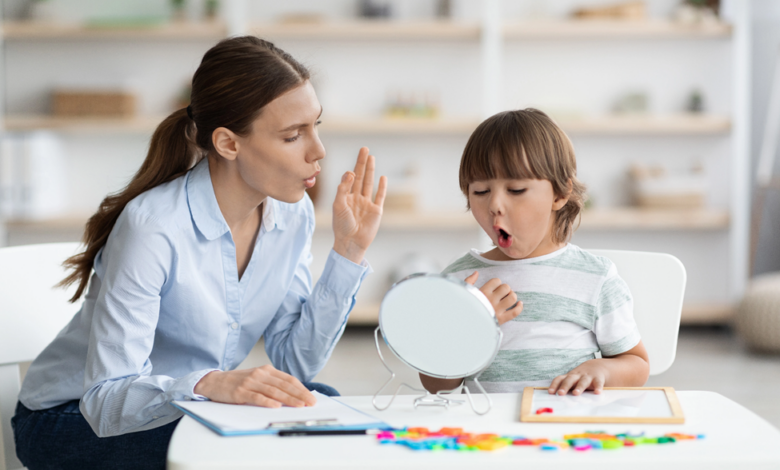
Communication is one of the most important skills a child develops. It allows children to express their needs, share emotions, build relationships, and participate in everyday activities. However, some children face challenges in developing spoken language and may be considered non-verbal or minimally verbal.
Being non-verbal does not mean a child is unable to communicate. Many children understand language but need support to express themselves effectively. Speech therapy plays a vital role in helping these children develop communication skills using speech, gestures, pictures, assistive devices, and other evidence-based methods.
Early intervention and consistent therapy can help children build confidence and improve their ability to connect with the world around them.
What Does It Mean When a Child Is Non-Verbal?
A non-verbal child is a child who does not use spoken words or uses very few words to communicate. This may occur due to a variety of developmental, neurological, or medical conditions.
Some common conditions associated with non-verbal communication include:
- Autism Spectrum Disorder (ASD)
- Childhood apraxia of speech
- Developmental delays
- Genetic disorders
- Hearing impairments
- Neurological conditions
It is important to understand that every child develops differently. Some children may begin speaking later, while others may rely on alternative communication methods for a longer period.
Signs a Child May Need Communication Support
Parents and caregivers may notice signs such as:
- Limited or no spoken words
- Difficulty expressing needs
- Frustration during communication attempts
- Limited use of gestures
- Challenges with social interaction
- Difficulty following verbal instructions
Early assessment can help identify communication challenges and guide appropriate intervention.
How Speech Therapy Supports Non-Verbal Children
Speech therapy focuses on helping children develop functional communication skills. The goal is not always limited to spoken language. Instead, therapists work on helping children communicate effectively in ways that suit their individual strengths and needs.
Therapy programs are customized based on the child’s age, abilities, interests, and communication goals.
Building Foundational Communication Skills
Before spoken language develops, children usually learn foundational communication skills such as:
- Making eye contact
- Taking turns during interaction
- Responding to their name
- Understanding simple instructions
- Using gestures and facial expressions
These early communication abilities form the basis for future language development and social engagement.
Alternative and Augmentative Communication Methods
Many non-verbal children benefit from Alternative and Augmentative Communication (AAC) methods. AAC includes tools and strategies that help children communicate without relying solely on speech.
Examples include:
- Picture communication systems
- Communication boards
- Sign language
- Speech-generating devices
- Tablet-based communication apps
Do AAC Systems Prevent Speech Development?
A common misconception is that AAC prevents children from learning to speak. Research shows the opposite. AAC often supports language development by reducing frustration and providing children with a reliable way to communicate while their speech skills continue to develop.
These tools can improve participation at home, school, and in social settings.
Techniques Used in Speech Therapy
Speech therapists use a variety of evidence-based techniques to encourage communication and language development.
The approach depends on each child’s unique needs and abilities.
Play-Based Therapy
Play is a natural way for children to learn. Therapists use toys, games, and activities to encourage communication in a fun and engaging environment.
Children may learn to:
- Request items
- Make choices
- Follow directions
- Participate in conversations
- Develop social skills
Modeling and Repetition
Therapists frequently model words, sounds, gestures, and communication behaviors. Repetition helps children understand how communication works and provides opportunities to practice new skills in a supportive environment.
Consistent practice can lead to gradual improvements over time.
The Role of Parents and Caregivers
Parents and caregivers play a key role in a child’s communication journey. Speech therapy is often most effective when communication strategies are reinforced outside therapy sessions.
Families can support progress by:
- Talking frequently with the child
- Encouraging communication attempts
- Reading books together
- Using visual supports
- Creating opportunities for interaction
During discussions with specialists in Mumbai, including the best speech therapist in Andheri, parents are commonly encouraged to integrate communication goals into daily routines to maximize progress.
Creating a Communication-Friendly Environment
A supportive environment can help children feel motivated to communicate.
Helpful strategies include:
- Limiting distractions
- Allowing extra response time
- Celebrating communication attempts
- Using simple language
- Following the child’s interests
Small changes at home can make a significant difference in communication development.
Benefits of Early Speech Therapy Intervention
Early intervention can have a positive impact on communication, learning, and social development. Children who receive support early often have more opportunities to develop important language skills during critical developmental years.
Benefits may include:
- Improved communication abilities
- Reduced frustration and behavioral challenges
- Better social interaction
- Increased independence
- Enhanced school readiness
- Greater confidence
Long-Term Impact on Quality of Life
Communication skills influence many aspects of a child’s life. As communication improves, children may find it easier to form relationships, participate in educational activities, and express their thoughts and emotions effectively.
Consistent support can contribute to meaningful improvements in daily functioning and overall well-being.
How Progress Is Measured in Speech Therapy
Every child’s communication journey is unique. Progress may occur gradually and can look different from one child to another.
Speech therapists usually track:
- Increased communication attempts
- Use of gestures or AAC tools
- Improved understanding of language
- Growth in vocabulary
- Better social interaction skills
Regular assessments help ensure therapy goals remain appropriate and meaningful for the child’s development.
Setting Realistic Expectations
Progress is not always measured by spoken words alone. Success may include improved understanding, increased engagement, or the ability to communicate needs more effectively through alternative methods.
Recognizing small achievements can help maintain motivation and encourage continued growth.
Conclusion
Speech therapy plays an important role in helping non-verbal children develop meaningful communication skills. Through individualized strategies, play-based learning, AAC tools, and family involvement, children can learn effective ways to express their thoughts, needs, and emotions.
While every child’s journey is different, early intervention and consistent support can create valuable opportunities for communication growth, social participation, and increased independence. Understanding the role of speech therapy can help families make informed decisions and provide the support children need to thrive.
Frequently Asked Questions
1. At what age should a non-verbal child start speech therapy?
Children can begin speech therapy as soon as communication delays are identified. Early intervention often provides the greatest benefits because it supports language development during important stages of growth and learning.
2. Can a non-verbal child eventually learn to speak?
Some non-verbal children develop spoken language over time, while others continue using alternative communication methods. Outcomes vary depending on the underlying condition, developmental profile, and consistency of intervention and support.
3. How long does speech therapy take to show results?
The timeline varies for every child. Some children demonstrate progress within a few months, while others require longer-term support. Factors such as age, diagnosis, participation, and therapy frequency influence outcomes.
4. How can parents support speech therapy at home?
Parents can encourage communication through daily conversations, reading activities, visual supports, play-based interaction, and consistent practice of therapy strategies. Creating regular opportunities for communication helps reinforce skills learned during therapy sessions.