Stockton Rush Net Worth: How the OceanGate CEO Built a $20 Million Fortune Before the Titan Submarine Tragedy


Stockton Rush net worth is estimated at around $12 million to $25 million, built over decades through deep-sea exploration, aerospace engineering, smart investments, and a powerful family legacy. As the co-founder and CEO of OceanGate, Rush became one of the most talked-about figures in ocean discovery. His story is bold, inspiring, and deeply tragic. This article takes a close look at how he made his money, what he built, and the legacy he left behind.
Quick Bio Table
| Detail | Information |
|---|---|
| Full Name | Richard Stockton Rush III |
| Date of Birth | March 31, 1962 |
| Place of Birth | San Francisco, California, USA |
| Date of Death | June 18, 2023 |
| Cause of Death | Titan submersible implosion |
| Education | Princeton University (BSE, Aerospace Engineering); UC Berkeley (MBA) |
| Occupation | Businessman, Engineer, Entrepreneur, Deep-Sea Explorer |
| Company Founded | OceanGate (2009) |
| Co-founder | Guillermo Söhnlein |
| Spouse | Wendy Weil Rush (married 1986) |
| Children | Two (Ben and Quincy) |
| Notable Ancestors | Benjamin Rush, Richard Stockton (Declaration of Independence signers) |
| Grandfather | Ralph K. Davies (Standard Oil executive) |
| Estimated Net Worth | $12 million to $25 million (2023) |
| Nationality | American |
Early Life and Family Background
Stockton Rush was born into a wealthy and historically significant American family. His ancestors include Benjamin Rush and Richard Stockton, both of whom signed the United States Declaration of Independence. His maternal grandfather, Ralph K. Davies, started with nothing but rose to become one of the youngest directors of Standard Oil in American history.
Growing up with this kind of background gave Rush both financial support and a strong drive to achieve something meaningful. He began scuba diving at age 12 and earned his commercial pilot licence at just 18. By age 19, he had become the youngest jet transport-rated pilot in the world, which showed early on that he was not afraid to aim high.
Education and Career Beginnings
Rush studied Aerospace Engineering at Princeton University, graduating in 1984. He later completed an MBA at the University of California, Berkeley. These two degrees gave him a strong mix of technical skills and business knowledge that he would use throughout his career.
After university, he joined McDonnell Douglas as a flight test engineer, working on the advanced F-15 aircraft programme. He later worked as a venture capitalist at Peregrine Partners in San Francisco and served on the boards of companies like BlueView Technologies and Remote Control Technology. These roles built his early savings and gave him the experience to run his own company.
Founding OceanGate: The Business That Built His Fortune
In 2009, Rush co-founded OceanGate alongside Guillermo Söhnlein, with the company based in Everett, Washington. OceanGate focused on building and operating crewed submersibles for deep-sea research, exploration, and tourism. The idea was simple but bold: make the deep ocean reachable for scientists, filmmakers, and paying adventurers.
By 2021, OceanGate had grown into a recognised leader in underwater exploration and was offering paid expeditions to the Titanic wreck site in the North Atlantic. At its peak, the company operated three submersible vessels and attracted clients from around the world. Before the Titan tragedy, OceanGate was valued at approximately $66 million, which formed a major part of Rush’s personal wealth.
His Wife and Personal Life
Rush married Wendy Weil Rush in 1986, and they had two children together, Ben and Quincy. Wendy is the great-great-granddaughter of Isidor and Ida Straus, two of the wealthiest passengers aboard the Titanic in 1912. Their story, showing a couple who chose to stay together on the sinking ship, was featured in James Cameron’s 1997 film. The family connection between Rush and the Titanic was therefore both professional and deeply personal.
Rush was known as someone who loved adventure, believed in pushing limits, and wanted to make history. Friends described him as a dreamer and a doer who combined genuine intelligence with an appetite for bold ideas.
How Stockton Rush Made His Money
Rush built his fortune through several income streams, not just one source. Here is a clear breakdown of where his money came from:
OceanGate CEO Salary: As the founding CEO of OceanGate, Rush earned an estimated annual salary of $400,000 to $750,000. Running a company of this size and ambition meant he was well compensated for his time and leadership.
Expedition Ticket Sales: OceanGate charged up to $250,000 per passenger for each Titanic dive. With multiple passengers per trip and several expeditions completed each year, these ticket sales brought in millions of dollars in revenue for the company.
Equity and Ownership Stake: After co-founder Söhnlein left in 2013, Rush held a controlling stake in OceanGate. With the company valued at over $60 million, his ownership position made up the largest part of his estimated net worth, even though much of it was not easy to access as cash.
Private Investments: Before and during his time at OceanGate, Rush invested in technology companies, sonar firms, and aviation ventures. His work with Peregrine Partners and board positions at BlueView Technologies likely added to his savings over the years.
Family Wealth and Inheritance: Rush came from a family with deep financial roots. His grandfather Ralph K. Davies built a fortune in the oil industry. This inherited background gave Rush a financial foundation that supported his entrepreneurial risks.
OceanGate Expeditions and the Titanic Dives
OceanGate’s most famous offering was its Titanic expedition programme. Starting in 2021, the company took small groups of paying customers down to the Titanic wreck, which sits about 3,800 metres below the surface of the North Atlantic Ocean. Each person paid up to $250,000 for the experience, which included an eight-day journey with a dive to the famous shipwreck.
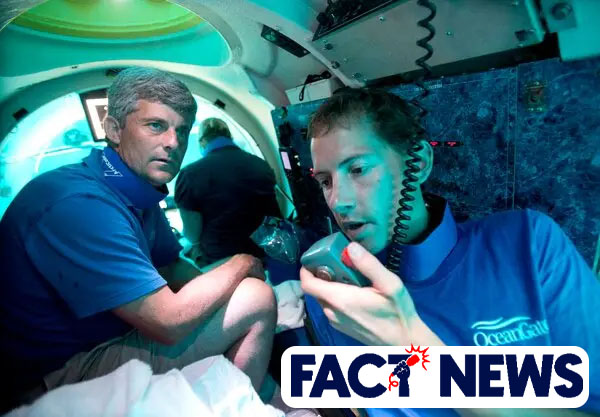
These trips attracted wealthy tourists, researchers, and adventurers from many countries. The programme generated significant income and made OceanGate a global name in deep-sea tourism. Rush himself often piloted the Titan submersible, showing a hands-on commitment that set him apart from most executives of his level.
The Titan Disaster and Its Impact
On June 18, 2023, the Titan submersible imploded during a descent to the Titanic wreck. All five people on board lost their lives, including Stockton Rush, British businessman Hamish Harding, Pakistani businessman Shahzada Dawood, his son Suleman Dawood, and French explorer Paul-Henri Nargeolet. The world watched in shock as a five-day search and rescue effort unfolded before authorities confirmed the tragic outcome.
Following the disaster, OceanGate shut down all operations. A US Coast Guard report published in August 2025 found that Rush had shown negligence that contributed to the deaths and noted he could have faced criminal liability had he survived. The tragedy raised serious questions about safety standards in private deep-sea tourism. Rush’s personal wealth, largely tied up in OceanGate equity, became difficult to separate from the company’s closure and the legal questions that followed.
Stockton Rush’s Net Worth
Multiple sources placed Stockton Rush’s net worth between $12 million and $25 million at the time of his death in June 2023. The most widely cited figure sits around $20 million, which reflects his OceanGate equity, salary, private investments, and family wealth combined.
It is important to note that his net worth was never officially confirmed, as Rush kept his personal finances private. Much of his wealth was tied directly to OceanGate’s value, which changed significantly after the Titan disaster. Still, by any measure, he had built a genuinely impressive financial profile from a career driven by passion rather than purely profit.
Conclusion
Stockton Rush built a fortune of around $12 million to $25 million through OceanGate, smart career choices, private investments, and a well-established family background. His life was defined by a fearless spirit and a desire to explore places most people will never see. While his end was tragic, his impact on deep-sea exploration is undeniable. He remains one of the most fascinating entrepreneurial figures of his generation.
Frequently Asked Questions (FAQs)
Q1. What was Stockton Rush’s net worth at the time of his death?
Stockton Rush’s net worth was estimated at between $12 million and $25 million when he died in June 2023. The most commonly cited figure is around $20 million.
Q2. How did Stockton Rush make his money?
He made his money through his salary as CEO of OceanGate, his ownership stake in the company, revenue from Titanic expedition ticket sales, private investments, and his family’s inherited wealth.
Q3. How much did OceanGate charge per person for a Titanic dive?
OceanGate charged up to $250,000 per passenger for each Titanic expedition. The full trip lasted about eight days.
See more amazing Information visit Fact News